Search every volume:
?
How to search
sten gun- pages with both words
"sten gun"- the words together, as a phrase
sten OR sterling- either one (
|works too) sten -replica- leave out pages that mention “replica”
Without quotes, the last word also matches longer words that start with it (sten finds Stenophylla), and close word forms count (rifle finds rifles). Tick Exact words to match whole words only.
Whole deep dives are listed first, then the pages inside them.
Volumes
-
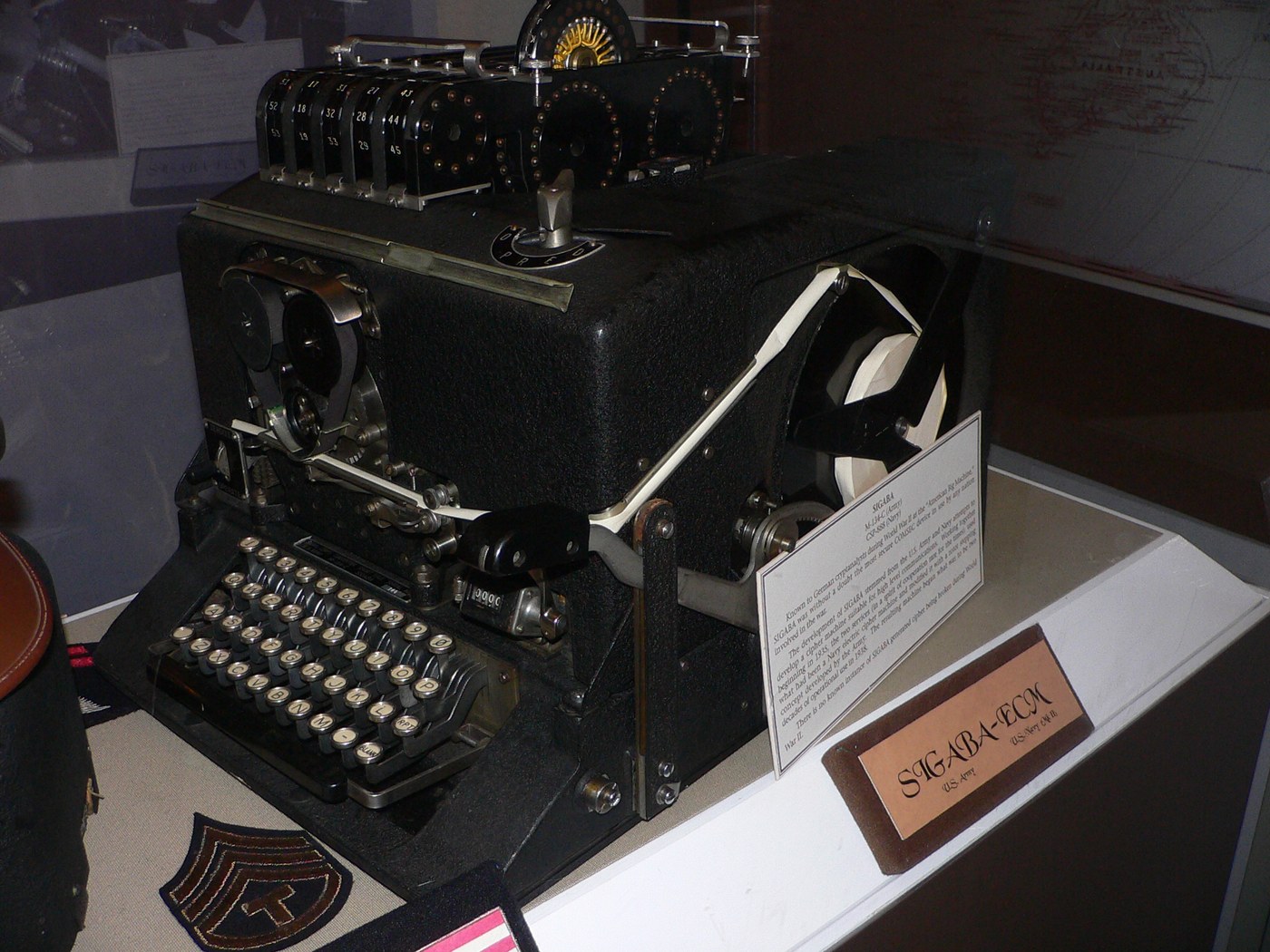 Vol 1 SIGABA — Volume 1 — The Machine That Was Never Broken What the SIGABA (the Navy's ECM Mark II) was, why fifteen rotors in three banks defeated every enemy that tried them, who invented it and who built ten thousand of them, how it was guarded, and how to build one today — the orientation volume for the twelve-part series
-
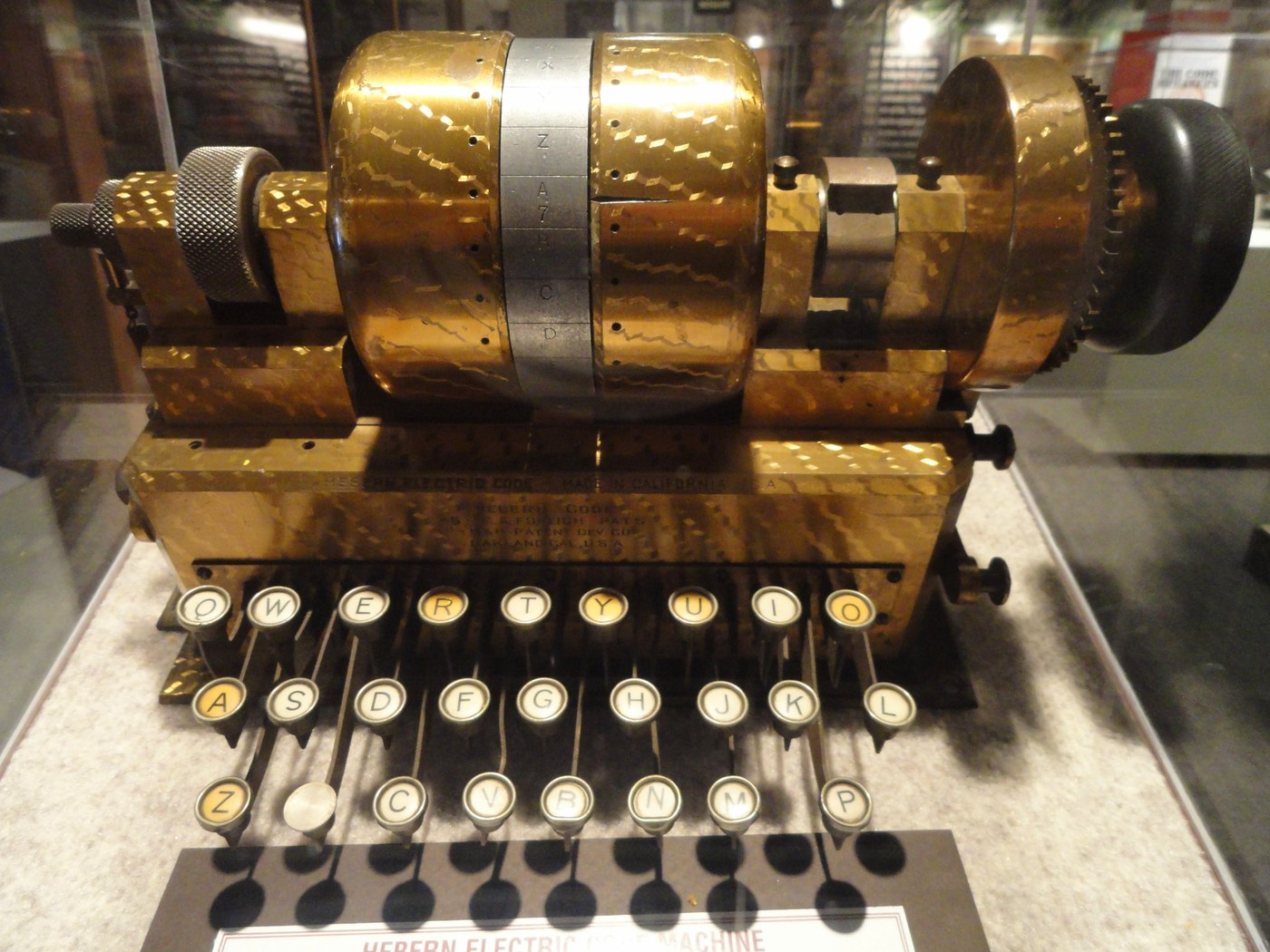 Vol 2 SIGABA — Volume 2 — From the M-134 to the ECM — Friedman, Rowlett, Safford and the Navy How a tape-driven Army cipher machine, a junior cryptanalyst's revolt against punching tapes, and a Navy that kept its own counsel produced the ECM Mark II — and how two rival services came to share one cipher machine before Pearl Harbor
-
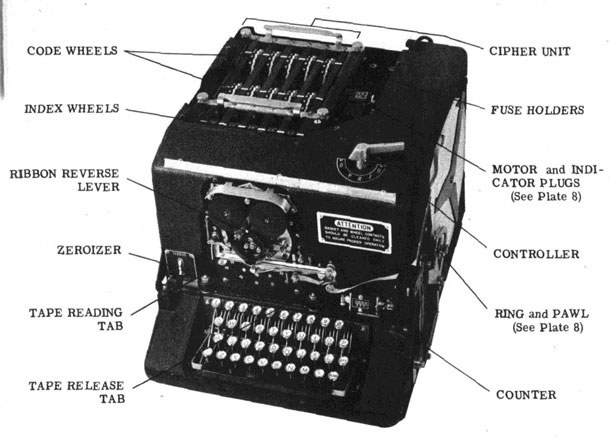 Vol 3 SIGABA — Volume 3 — How It Works I — The Cipher Bank, Keyboard and Printer Fifteen wheels in a removable basket, the five that actually encipher, why every one of them could be turned round, what happened to the letter Z, and one turn of the main shaft from key to printed tape
-
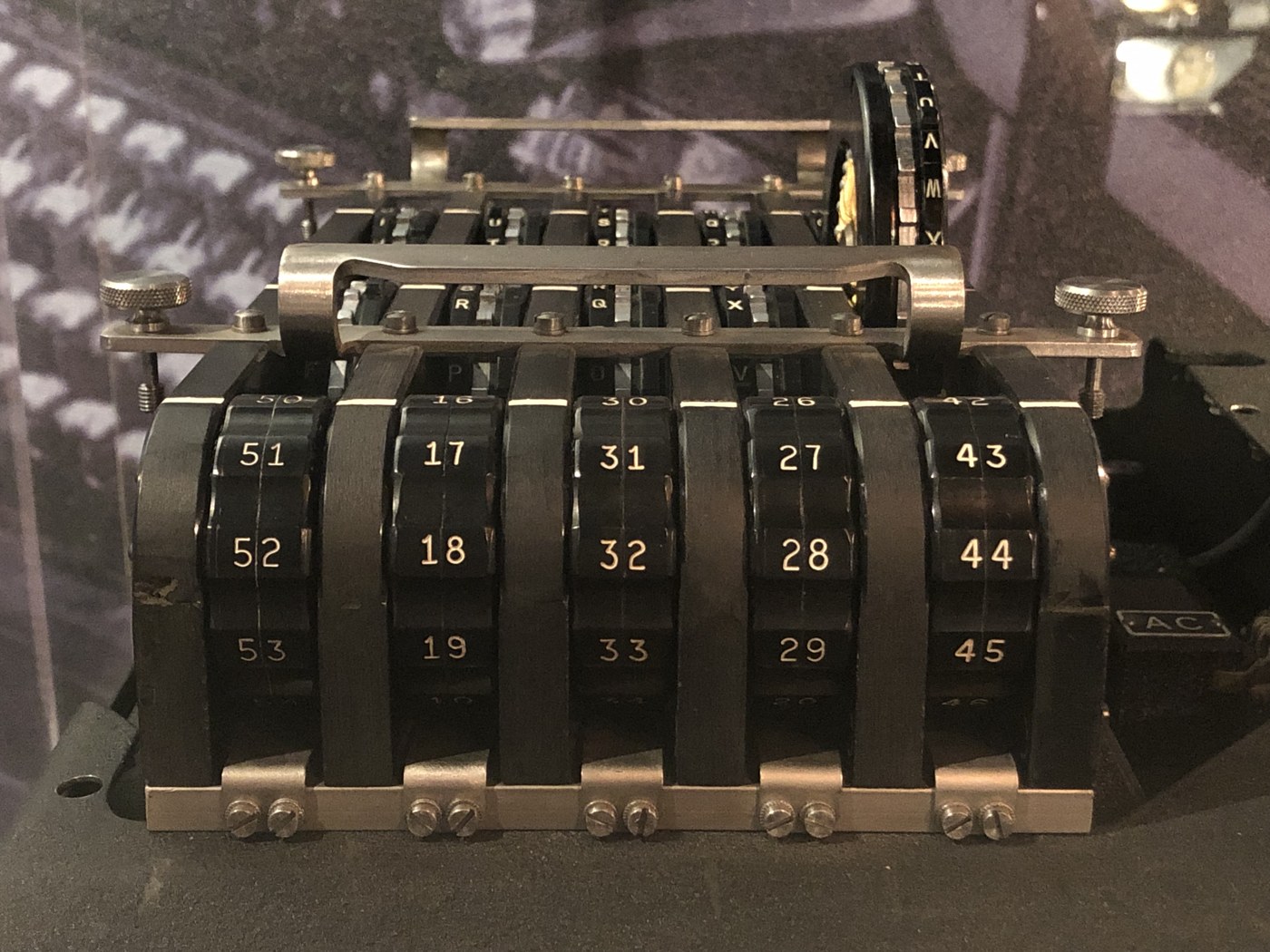 Vol 4 SIGABA — Volume 4 — How It Works II — The Control and Index Banks Four live wires, a meter of three wheels, nine bundles of contacts, five wheels that never turn, and one letter traced through all fifteen to show which cipher wheels step and why
-
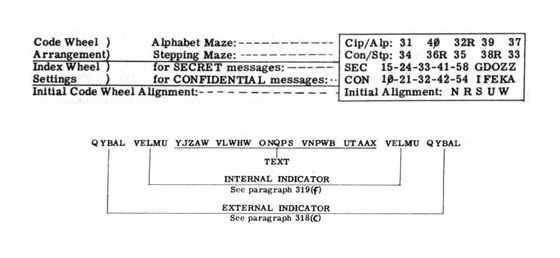 Vol 5 SIGABA — Volume 5 — Keys, Key Lists and Procedure How the SIGABA was keyed and operated: monthly key lists made by machine, the daily rotor arrangement and index settings, the mandatory 26–30 letter check, the Navy and joint methods of setting each message, the manuals that governed them, and the operator errors the procedure was built to catch
-
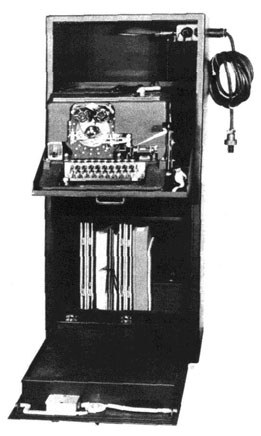 Vol 6 SIGABA — Volume 6 — Security in the Field — Guarding the Machine How the United States guarded a machine it believed was its greatest cryptographic secret: the 1942 joint policy that kept it from allies, the safes, lockers and armed guards, the thermite bombs and the order of destruction — and the night in February 1945 when a truck carrying a SIGABA was stolen from a street in Colmar
-
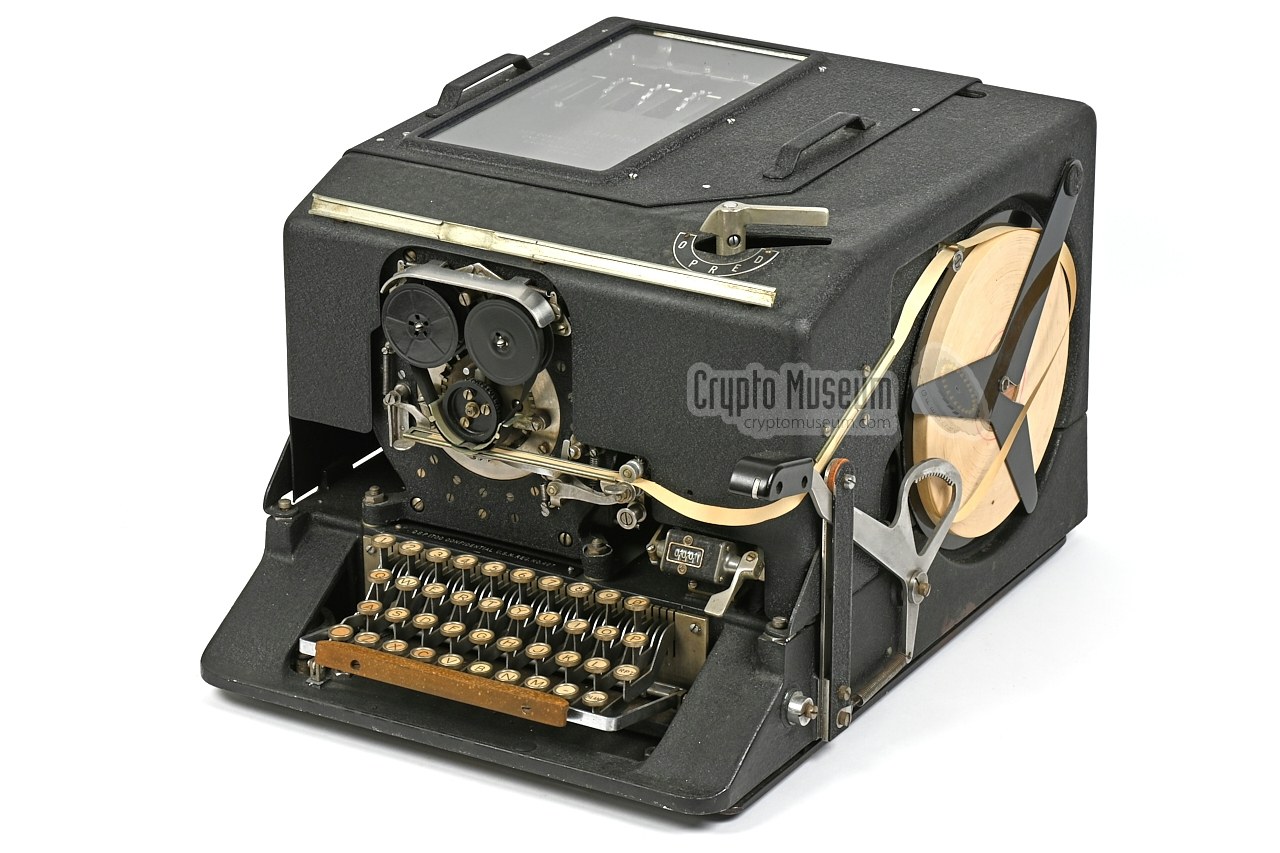 Vol 7 SIGABA — Volume 7 — The CCM and Allied Interoperability How the United States and Britain came to share a cipher machine without sharing the SIGABA: the Combined Cipher Machine, Donald Seiler's adapters for SIGABA and Typex, its service from 1943, the short-cycle flaw found in Dayton and the 'lobsters' found in London, and its long afterlife with the State Department and NATO
-
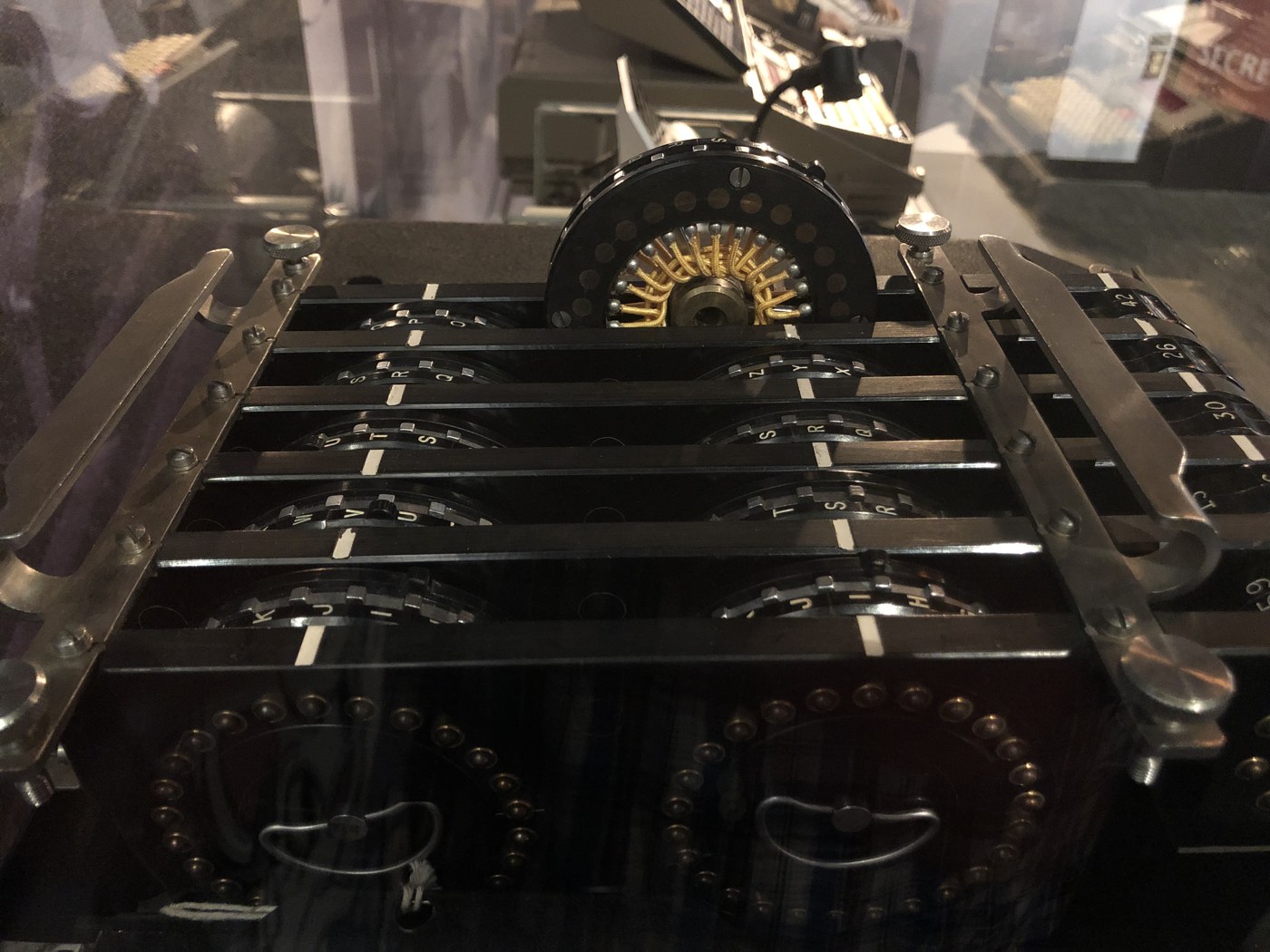 Vol 8 SIGABA — Volume 8 — Why It Was Never Broken — Key Space and Modern Cryptanalysis How big the key really was, why the methods that broke Enigma and PURPLE found nothing to grip, what it takes to break a SIGABA with a computer today, and the one seam in the design that the modern attacks pry open
-
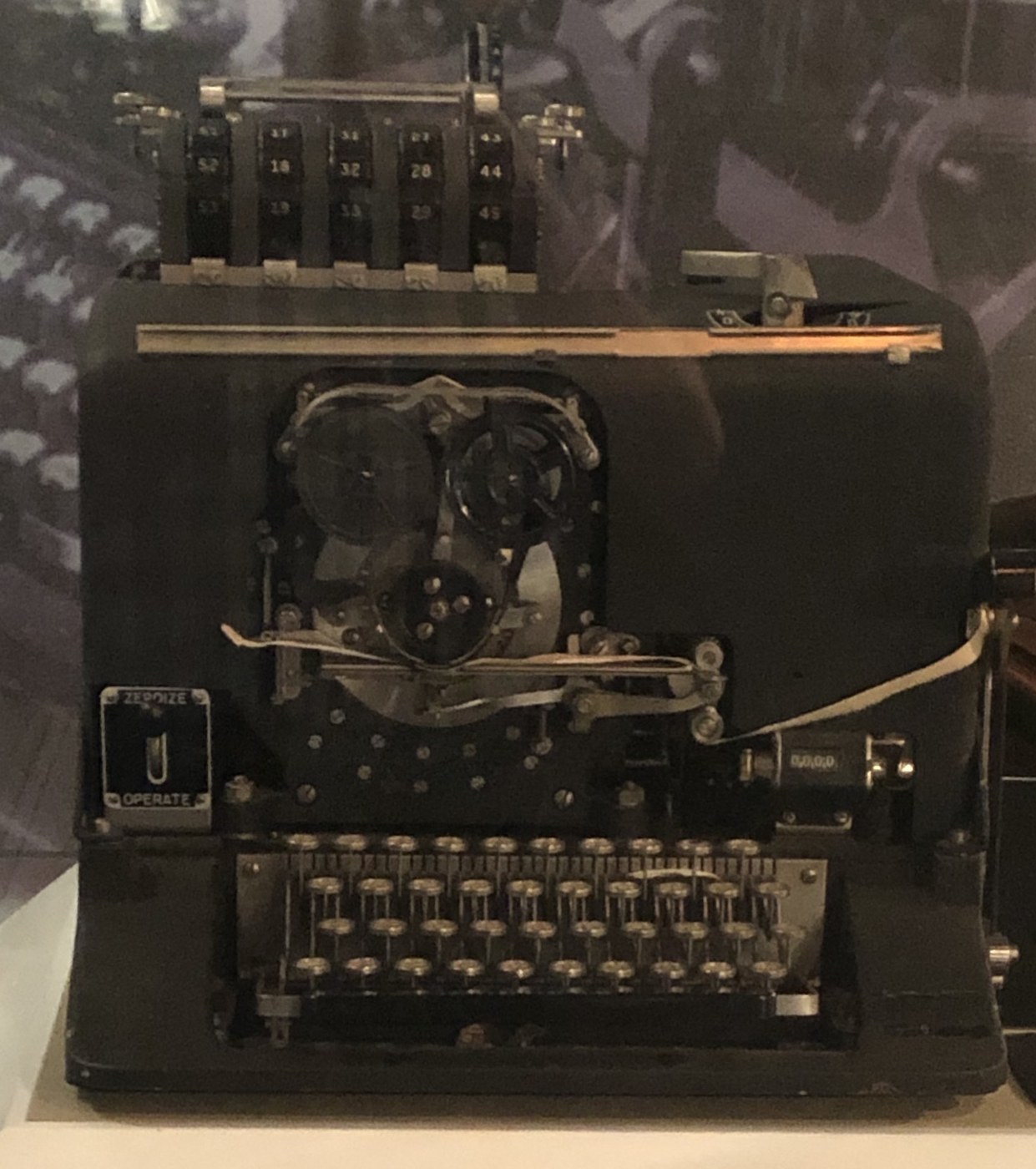 Vol 9 SIGABA — Volume 9 — After the War — Declassification, the 2001 Patent, Survivors and Museums What became of the American Big Machine: postwar service, the CSP 2900 and ASAM 1, retirement in the 1950s and systematic destruction; private rewards for its inventors; declassification in 1996; a patent filed in 1944 and issued in 2001; and the handful of machines that survive
-
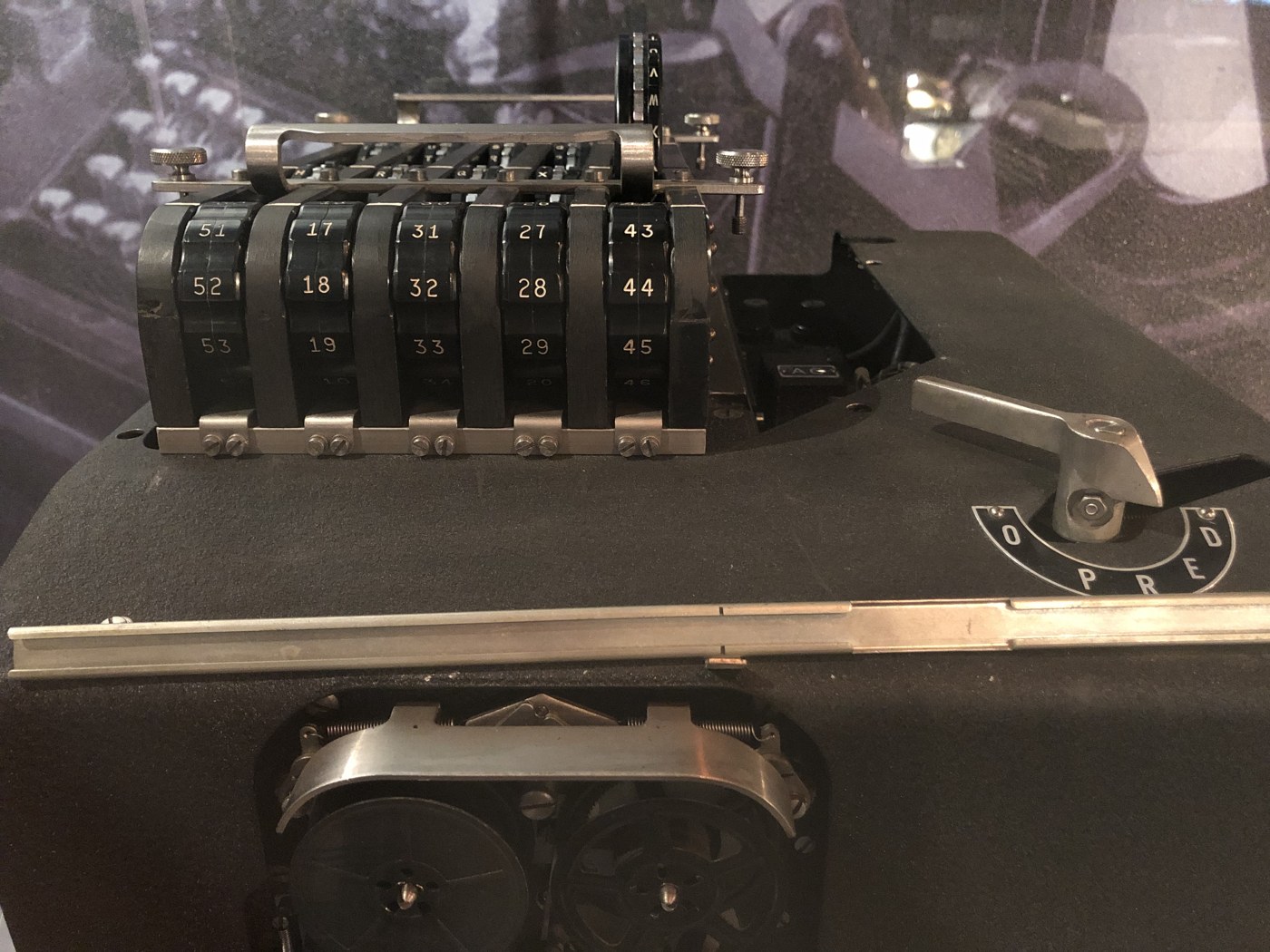 Vol 10 SIGABA — Volume 10 — Building a SIGABA I — Design What a working replica has to do, the simulators that already exist, why this design sends real current through real wheels, and the wheels, contact plates, stepping units, keyboard, printer, controller and case that make it, with a full bill of materials
-
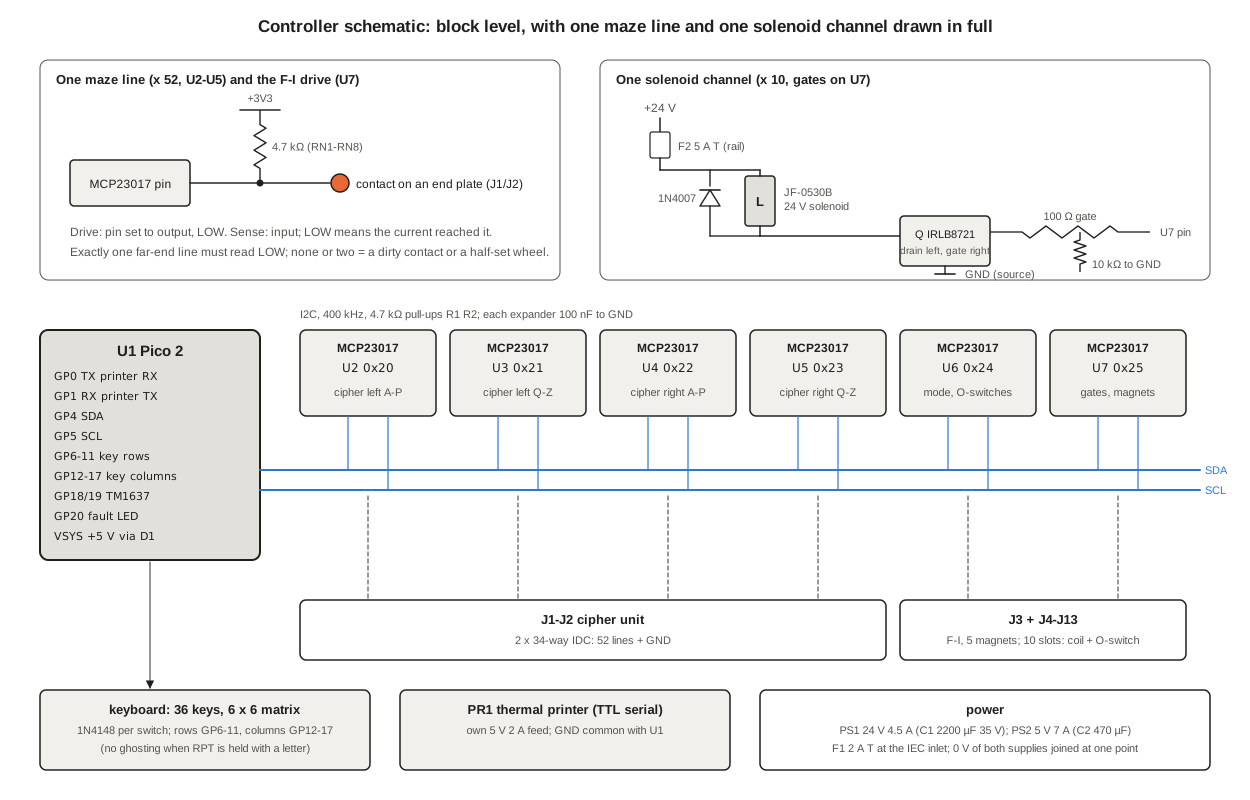 Vol 11 SIGABA — Volume 11 — Building a SIGABA II — Wiring, Controller and Verification Three hundred and ten wires from ten tables, the two boards that carry the fixed wiring, the schematic and pin map, the controller's program in one machine cycle, and a bring-up in nine stages that ends with the replica agreeing with the Navy's own stepping table and with the simulator letter for letter
-
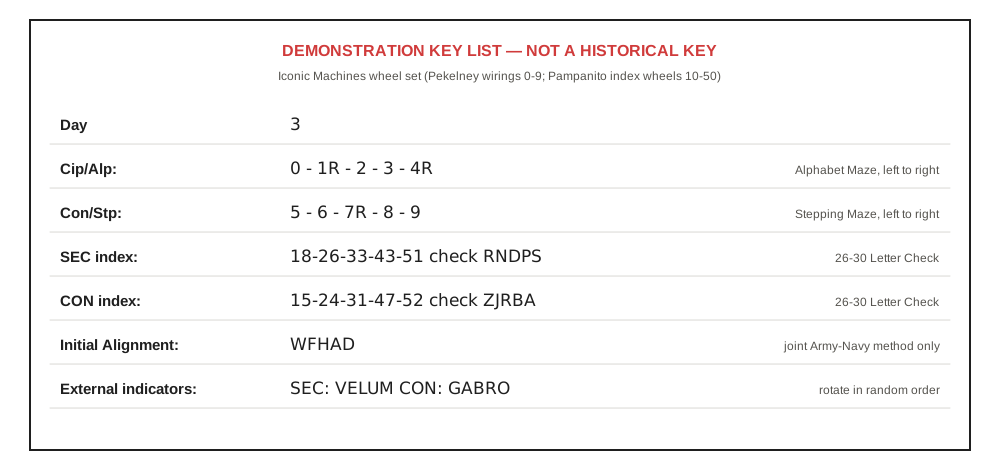 Vol 12 SIGABA — Volume 12 — Running SIGABA — Setting a Key, a Worked Message, and an Attack Demo A key list for the day, the 26-30 check, one message enciphered by the joint Army-Navy method from indicator to tape and deciphered at the other end, the Navy method with its numeral keys, what errors do to a message, and an attack that recovers a message setting in nine seconds — given the key list