Search every volume:
?
How to search
sten gun- pages with both words
"sten gun"- the words together, as a phrase
sten OR sterling- either one (
|works too) sten -replica- leave out pages that mention “replica”
Without quotes, the last word also matches longer words that start with it (sten finds Stenophylla), and close word forms count (rifle finds rifles). Tick Exact words to match whole words only.
Whole deep dives are listed first, then the pages inside them.
Volumes
-
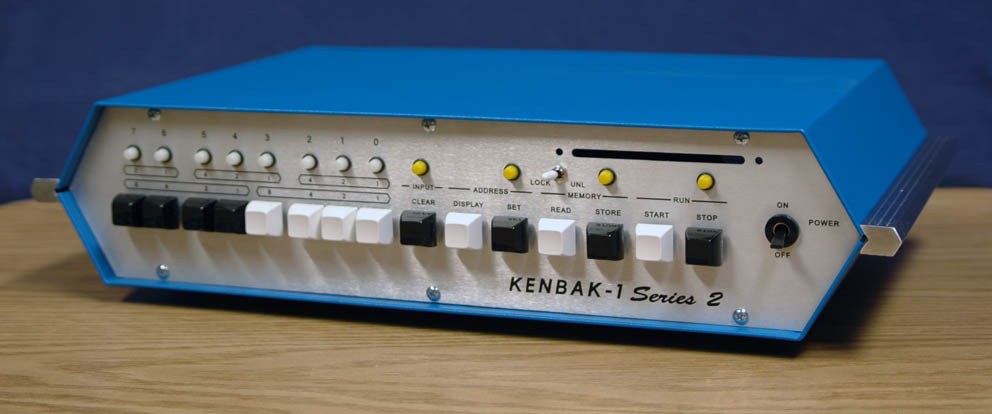 Vol 1 KENBAK-1 — Volume 1 — The First Personal Computer What a blue box of lights and switches from a Los Angeles garage actually was, why a museum jury in Boston called it the first personal computer, and how a machine that sold about forty copies came to be rebuilt by hobbyists half a century later — the orientation volume for the ten-part series
-
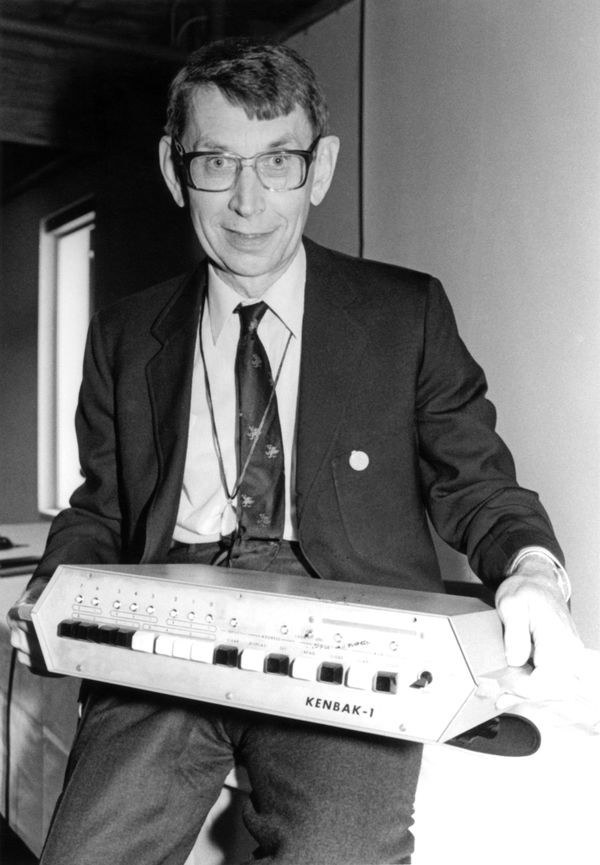 Vol 2 KENBAK-1 — Volume 2 — John Blankenbaker — A Computer for Everyone An Oklahoma farm without electricity, binary arithmetic worked out on scratch paper, a summer on SEAC, a computer with one flip-flop, eight years of stock quotations, and a $6,000 parting gift — the life of the man who built the first personal computer
-
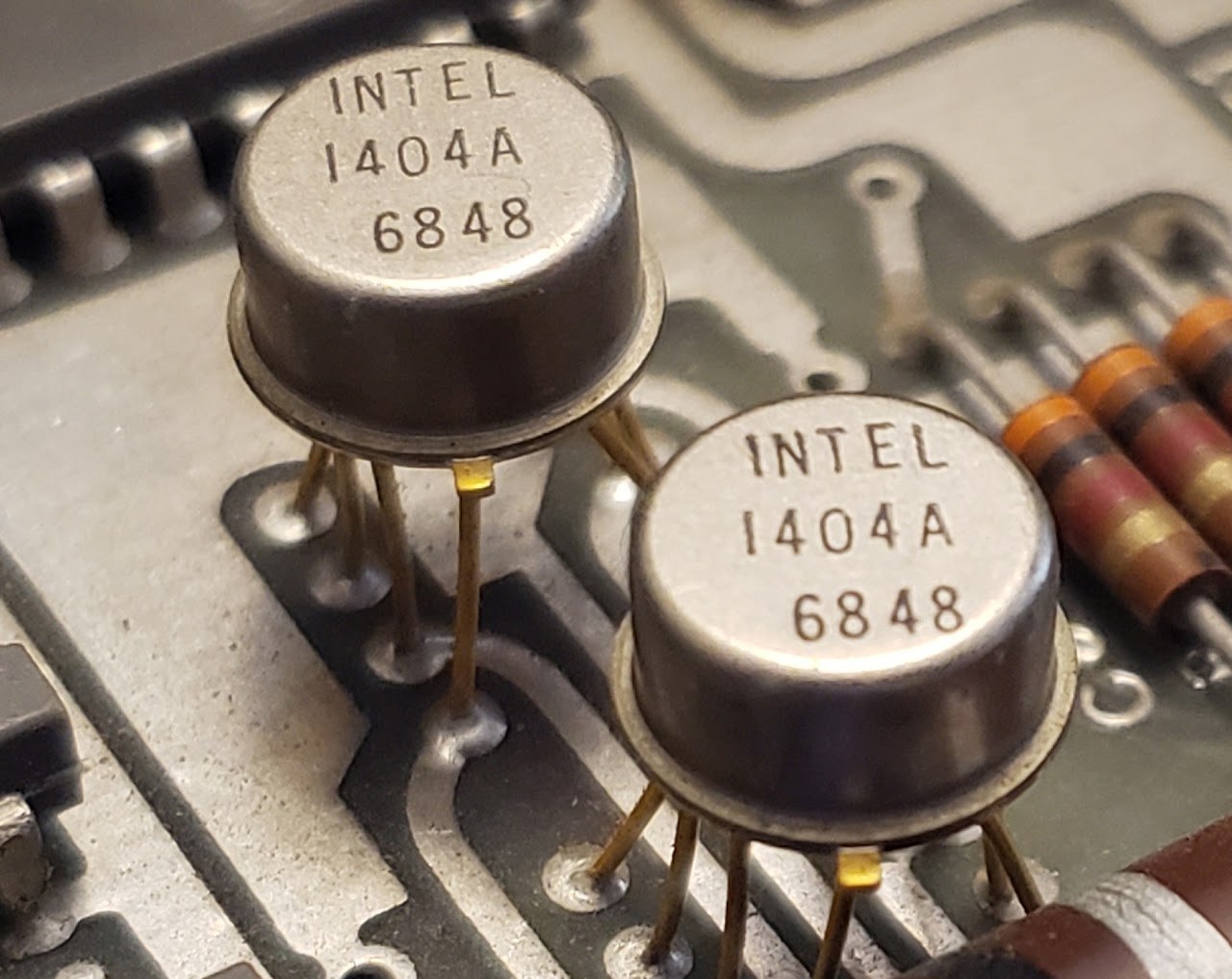 Vol 3 KENBAK-1 — Volume 3 — A Computer Without a Microprocessor — TTL and Shift-Register Memory How 130-odd catalogue logic chips, two 1,024-bit MOS shift registers and a 29-state controller made a stored-program computer in 1971: why it works one bit at a time, why its registers live in memory, why a byte can only be read when it comes round, and what that cost in speed
-
 Vol 4 KENBAK-1 — Volume 4 — Selling a Computer in 1971 — Fifty Machines and a Scientific American Advert Five investors and $20,000, parts for fifty computers, a $750 advert in Scientific American, machines sent on approval by Greyhound, a sales manager who vanished with $3,000, and the long slow slide to CTI — the business history of Kenbak Corporation
-
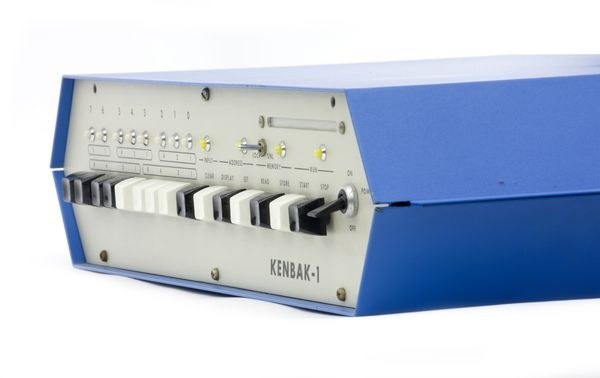 Vol 5 KENBAK-1 — Volume 5 — The Verdict — The Computer Museum Contest and the Surviving Machines How a museum in Boston went looking for the first personal computer and found it in an attic in Pennsylvania; what the judges meant by 'first', and who else has a claim; and the fourteen known survivors, where they are, and what they have sold for
-
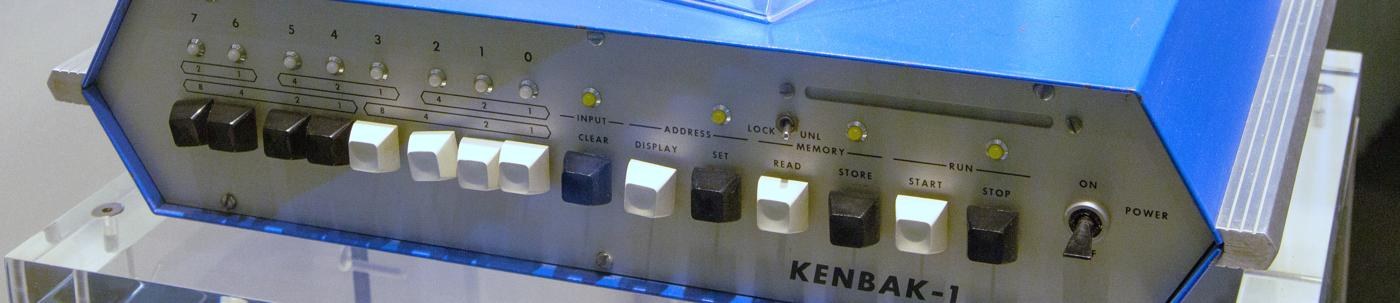 Vol 6 KENBAK-1 — Volume 6 — The Instruction Set — Registers, Addressing and the Front Panel Everything a KENBAK-1 programmer works with: 256 bytes and nine special addresses, three registers and a program counter that are only memory, numbers in two's complement, an instruction set read as three octal digits, five addressing modes, and a console of fifteen buttons and twelve lamps
-
 Vol 7 KENBAK-1 — Volume 7 — Programming the KENBAK-1 — From Counting Lights to Subroutines How Kenbak Corporation's workbook taught programming to people who had never seen a computer, and the same road walked again: counting in the lamps, writing a program on a coding sheet, slowing a loop down, waiting for a button, adding fifty numbers two ways, and calling a subroutine with Jump and Mark — every listing in octal as keyed, every result run in the simulator
-
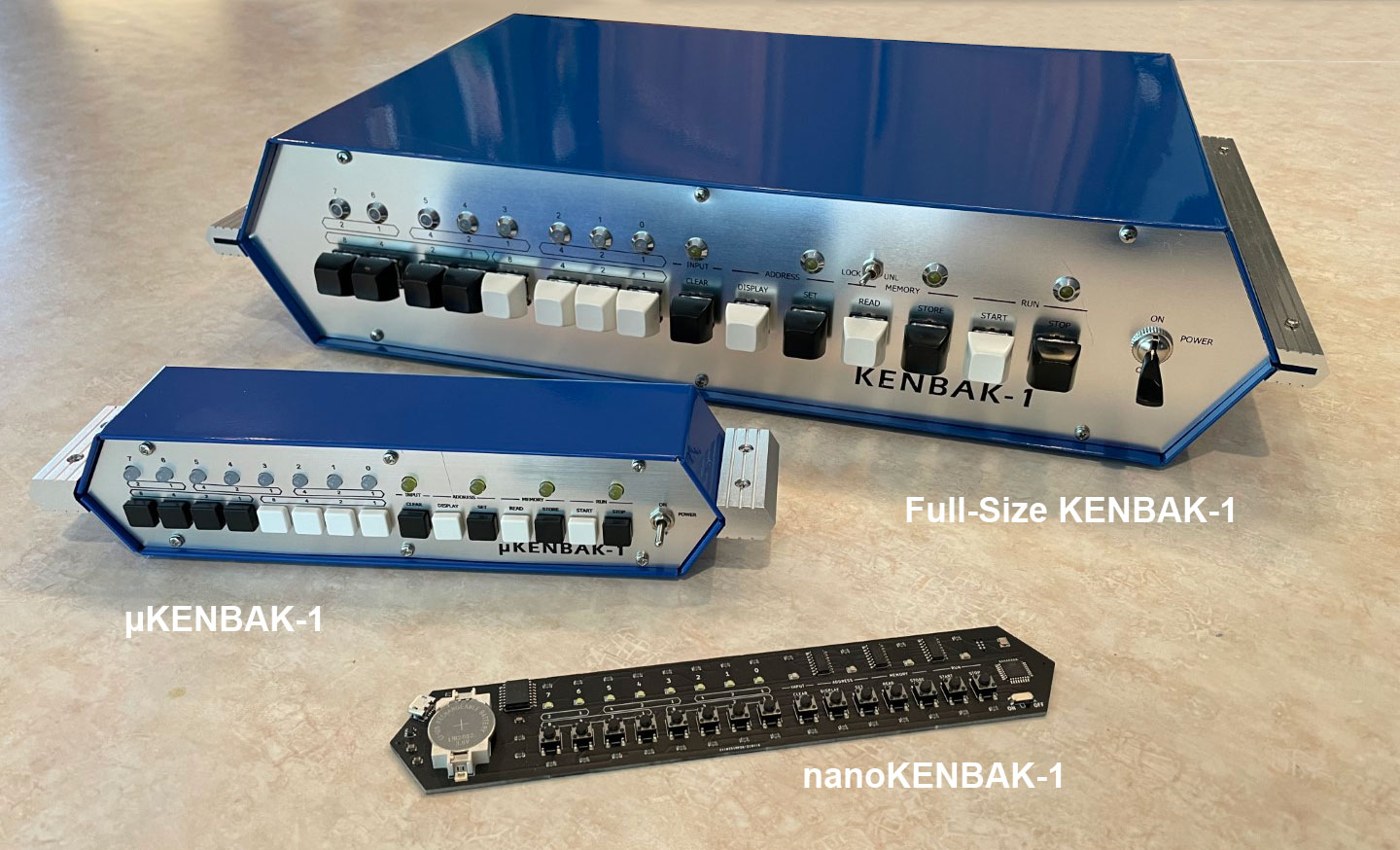 Vol 8 KENBAK-1 — Volume 8 — The Replica Kits — Re-creating KENBAK-1 Fifty Years On Two ways to own a KENBAK-1 without paying six figures: rebuild the 1971 circuit in real TTL with a pair of scarce 1404A shift registers, or emulate it on a microcontroller behind a look-alike panel — every kit, board and replica, with what is in the box and what was actually on sale in October 2026
-
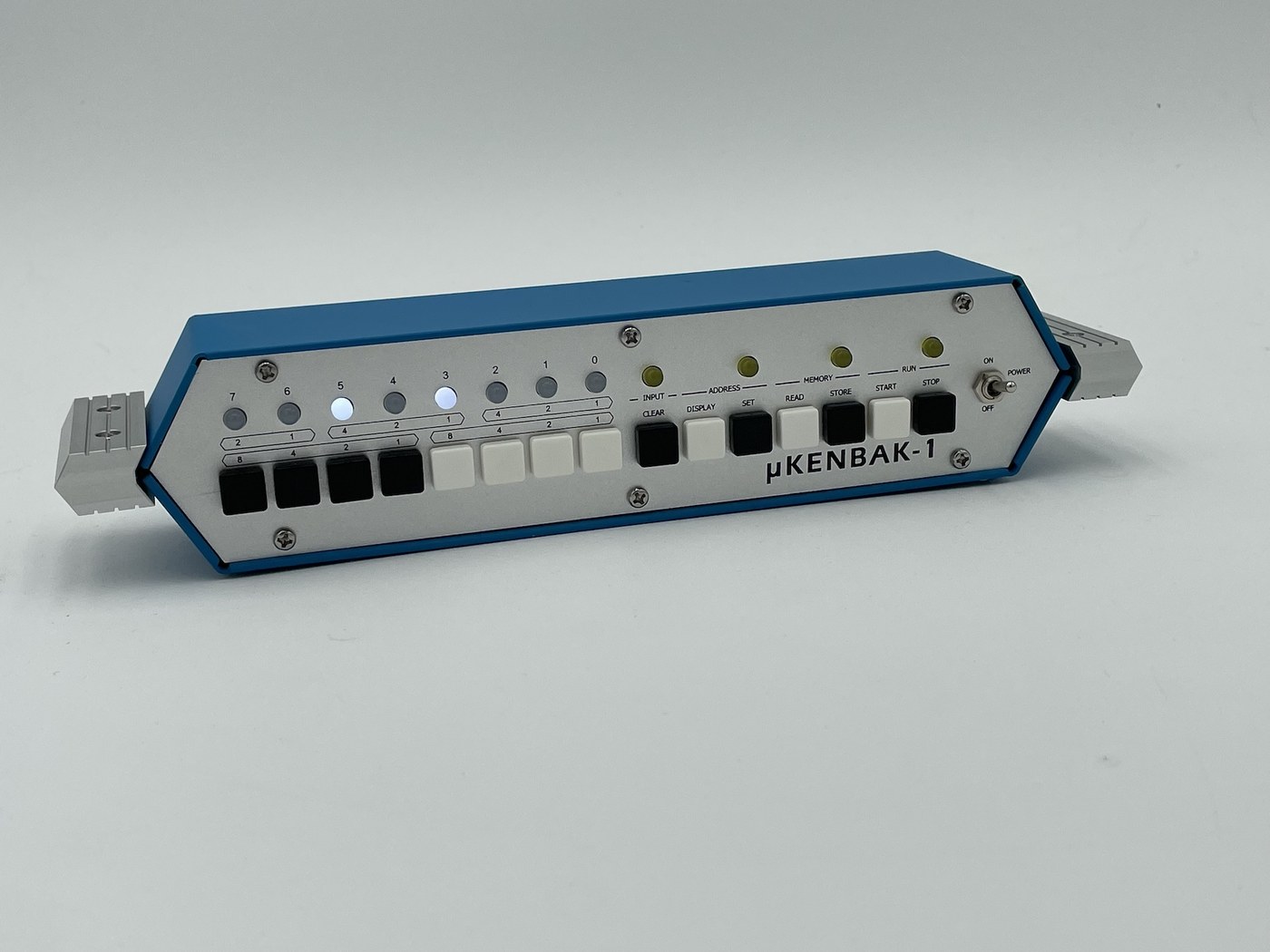 Vol 9 KENBAK-1 — Volume 9 — Building the Kit The µKENBAK-1 kit from Adwater & Stir, the KENBAK-1 replica actually on sale in October 2026: what is in the box, how it is soldered and assembled step by step, the known snags and their fixes, how to test it, and what its firmware does that the original did not
-
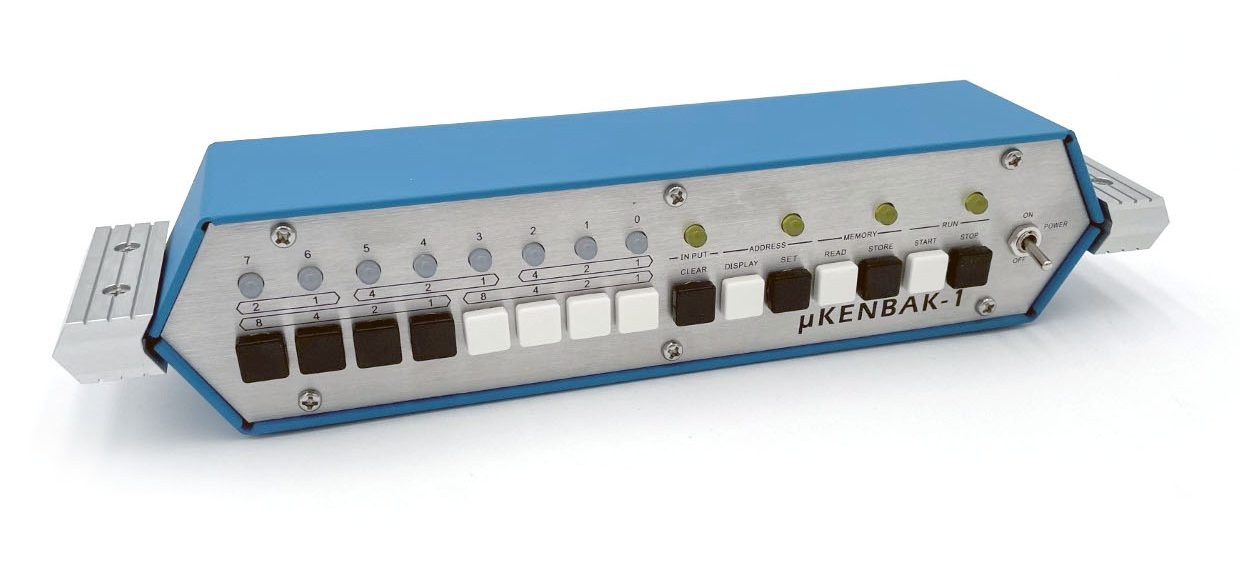 Vol 10 KENBAK-1 — Volume 10 — Programs to Run — Games, Patterns and Puzzles Five programs to key into a KENBAK-1 or a replica — a bouncing light, Kill the Bit, the Fibonacci numbers, every prime below 256, and a game of Hi-Lo — each in octal as keyed, each explained line by line, and each run in the series' simulator with the lamps it lights