Search every volume:
?
How to search
sten gun- pages with both words
"sten gun"- the words together, as a phrase
sten OR sterling- either one (
|works too) sten -replica- leave out pages that mention “replica”
Without quotes, the last word also matches longer words that start with it (sten finds Stenophylla), and close word forms count (rifle finds rifles). Tick Exact words to match whole words only.
Whole deep dives are listed first, then the pages inside them.
Volumes
-
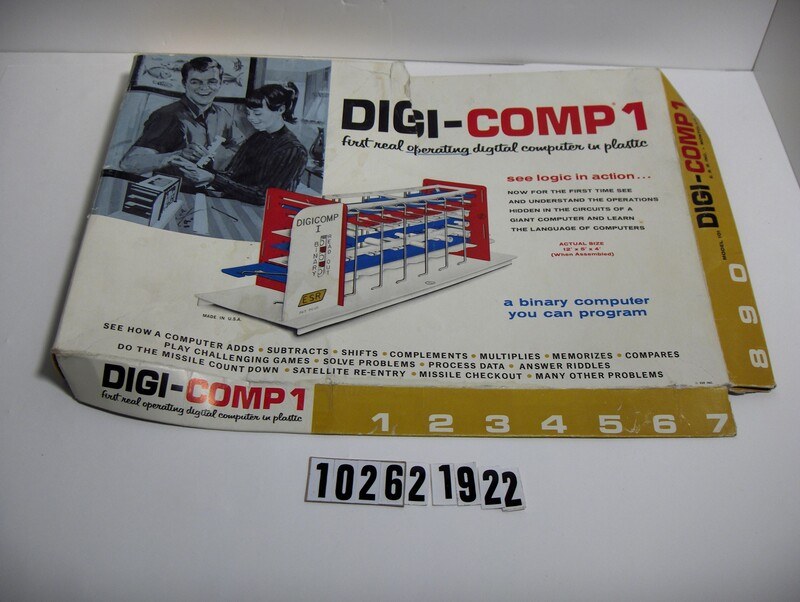 Vol 1 Digi-Comp — Volume 1 — Computers Made of Plastic Two toy computers from a small New Jersey company — one of sliding plastic plates and wire rods, one of marbles and flipping toggles — what they were, how they worked in principle, why they mattered to a generation of children who had never seen a real computer, and how they came back in the twenty-first century; the orientation volume for the ten-part series
-
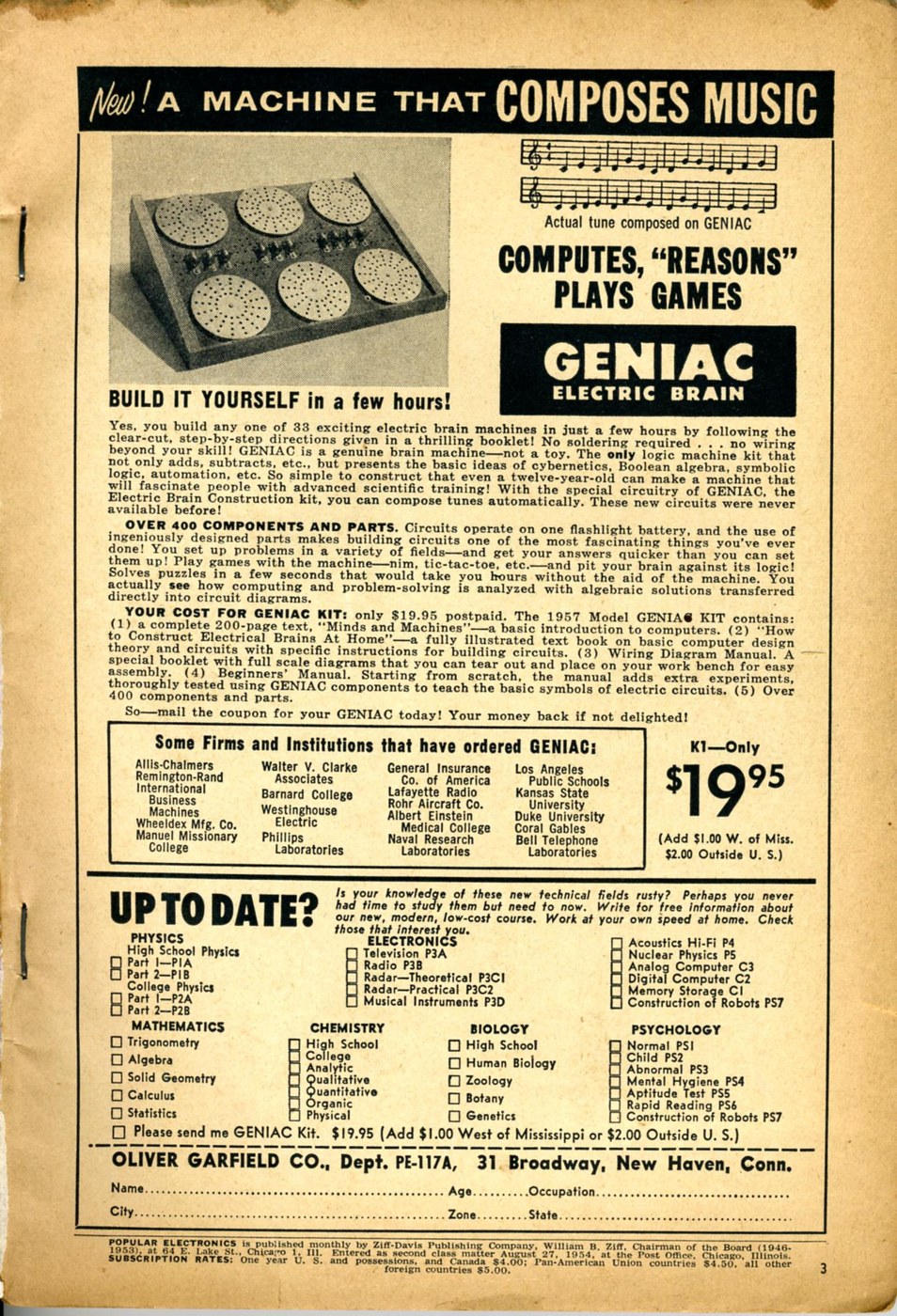 Vol 2 Digi-Comp — Volume 2 — E.S.R. Inc. and the Science-Toy Boom — Geniac, Brainiac and the Space Race Kitchen Table Edmund Berkeley's electric brains by mail order, Claude Shannon's relay box, Sputnik and the scramble to teach science, and the three Kearfott engineers who turned a failed marble computer into a five-dollar plastic one and a company that sold it to Sears, Macy's and a thousand schools
-
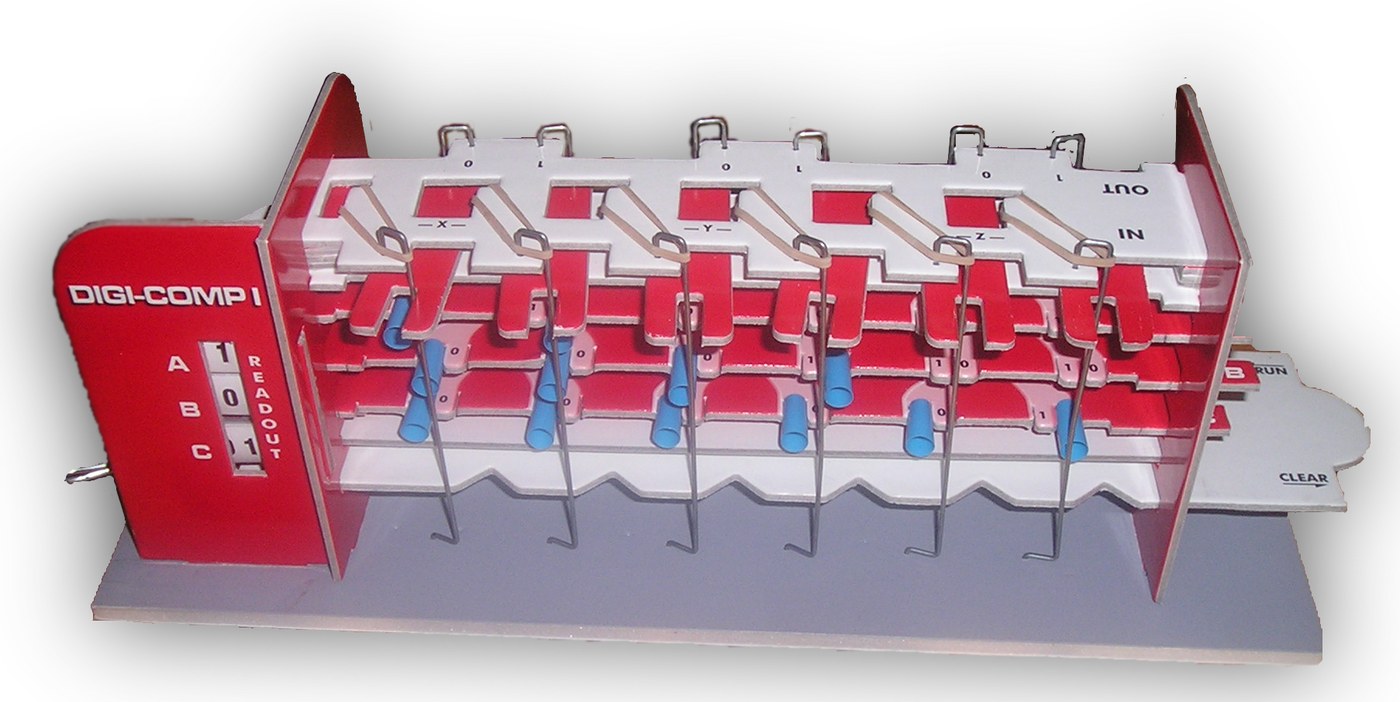
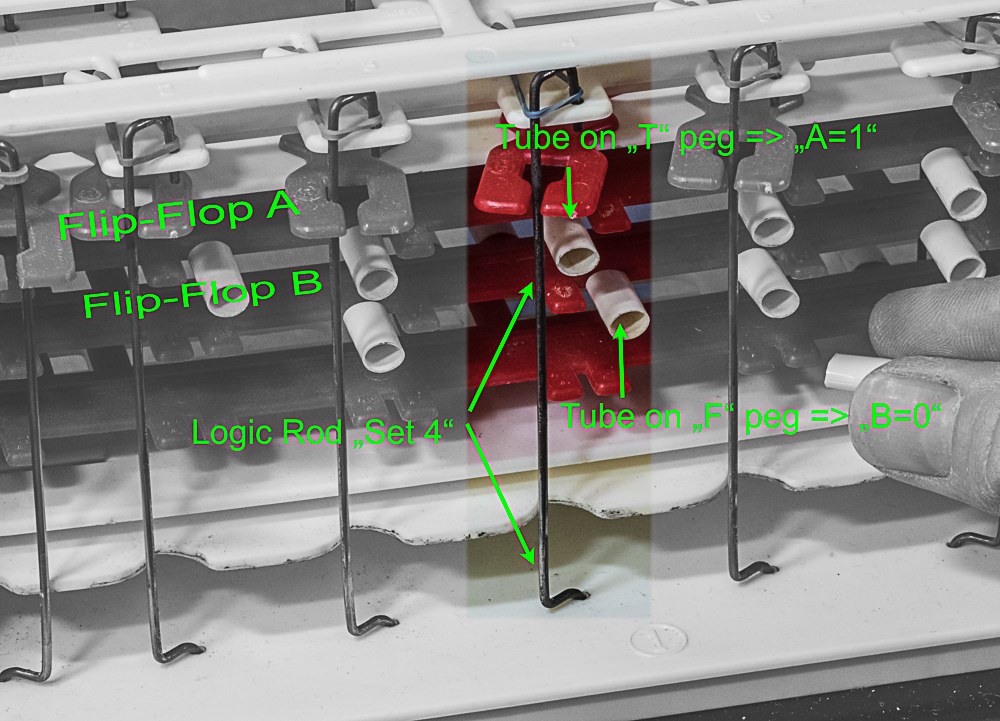 Vol 3 Digi-Comp — Volume 3 — How Digi-Comp I Works — Three Flip-Flops, Rods and Pegs Styrene slides that hold one bit each, wire rods that ask a question of all three, plastic tubes that write the program, and a clock lever that makes the whole thing step: the mechanism of E.S.R.'s 1963 computer, part by part, and why it is a real clocked state machine
-
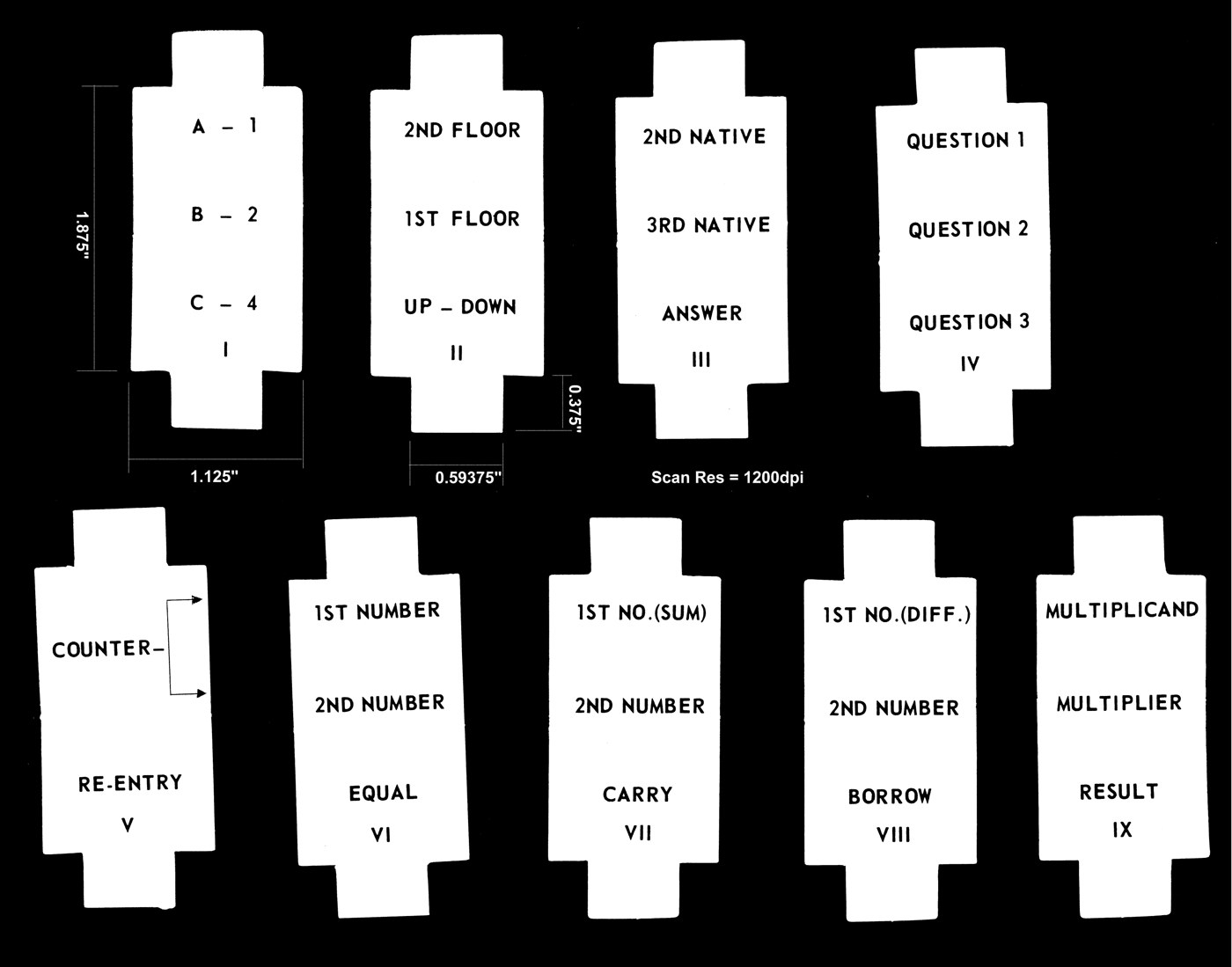 Vol 4 Digi-Comp — Volume 4 — Programming Digi-Comp I — The Manual's Problems Worked The 1963 manual's fifteen experiments as coding sheets and state tables: counting up and down, an elevator, two bank locks, a riddle about truth-tellers, a space-ship check-out, a number-guessing trick, Nim, and the serial comparator, adder, subtractor and multiplier — every result run on the series' simulator
-
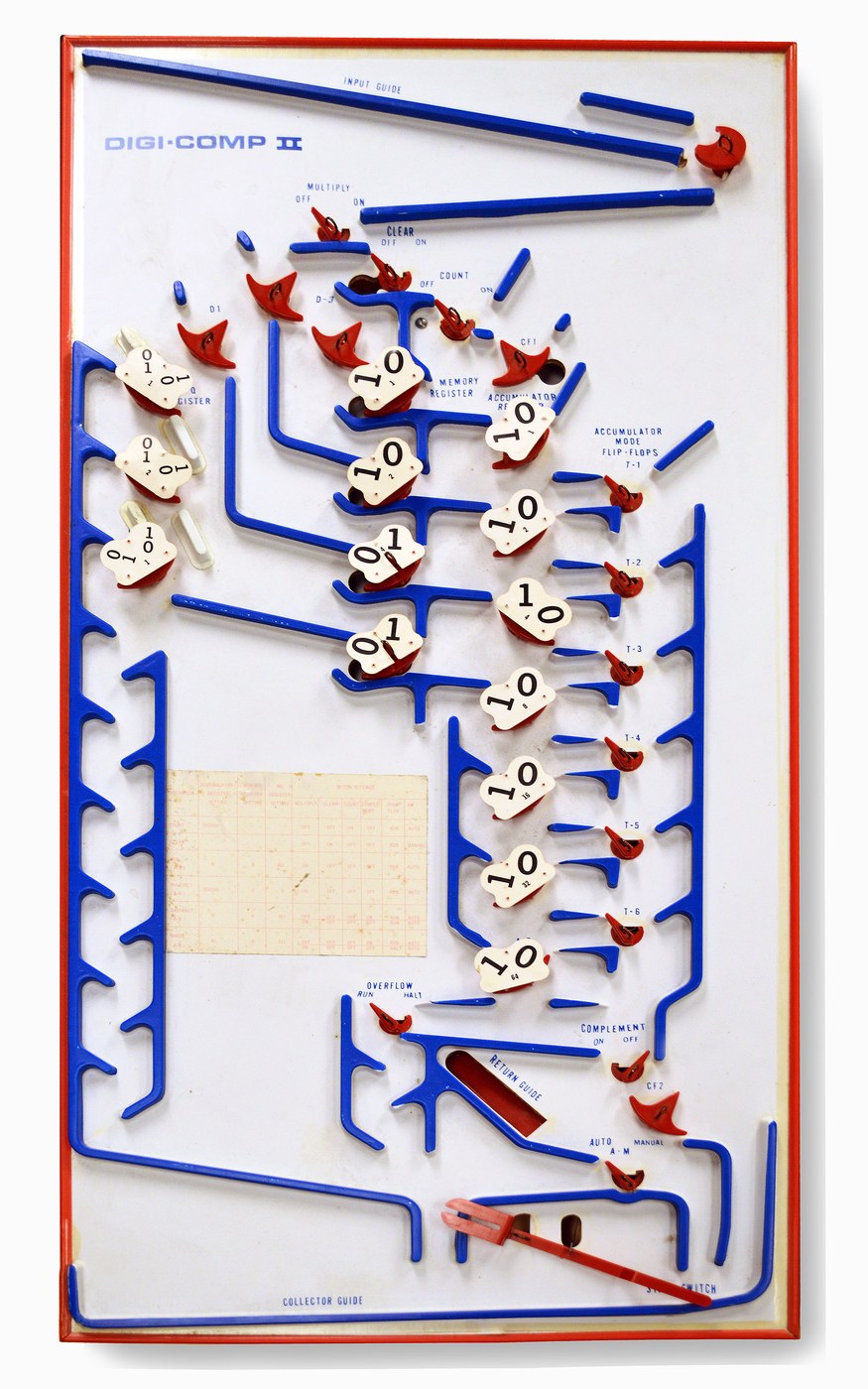 Vol 5 Digi-Comp — Volume 5 — Digi-Comp II — Marbles, Toggles and the Story of the Rolling-Ball Computer A General Electric engineer's gravity-powered binary computer: the 1965 patent, the tilted Masonite board and its registers, the toggle that a marble reads and flips in one passage, the self-starting cascade, a manual that ran from counting to FORTRAN, a commercial disappointment — and a second career, half a century later, in computational-complexity theory
-
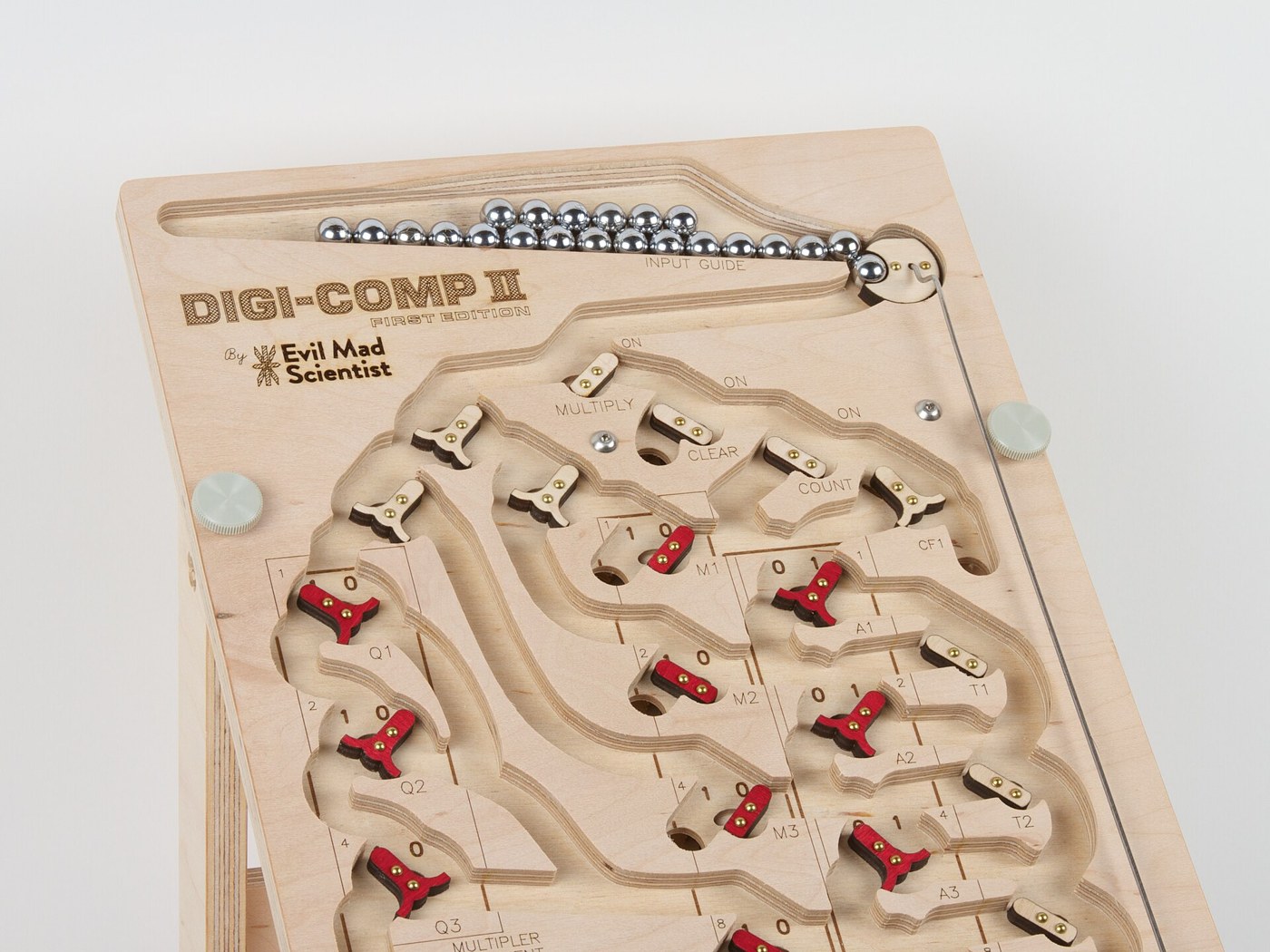 Vol 6 Digi-Comp — Volume 6 — Digi-Comp II's Arithmetic — Counting, Adding and Multiplying Marble by marble through E.S.R.'s rolling-ball computer: initialising the board, counting and clearing, the carry that runs down the accumulator, adding the memory register, multiplying with the distributor and the MQ, two's complements, subtraction, division and the remainder trick — each worked on the series' simulator against the answers in the 1965 manual
-
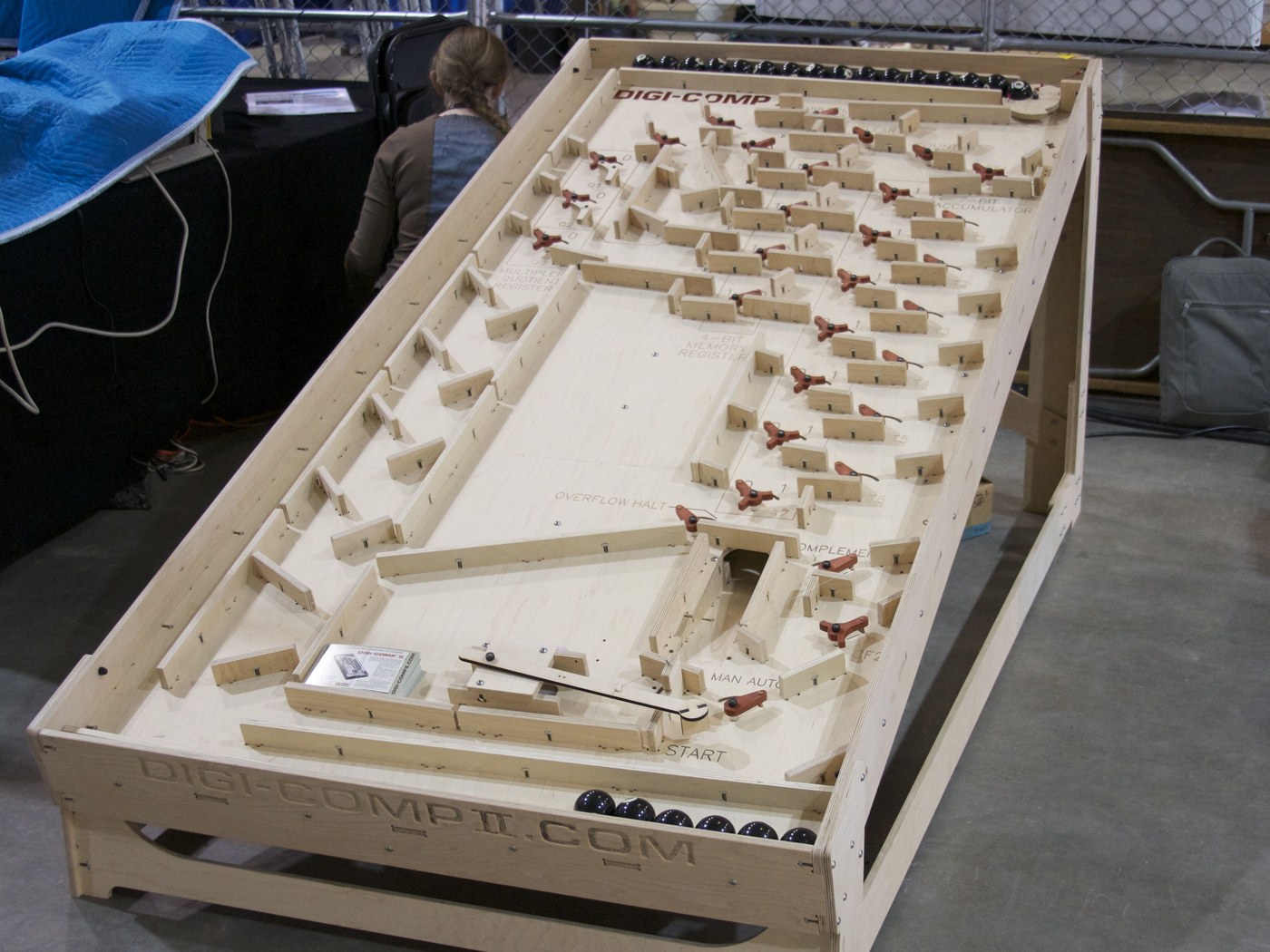 Vol 7 Digi-Comp — Volume 7 — After E.S.R. — Dr. Nim, Think-a-Dot, Turing Tumble and the Giant Digi-Comp E.S.R.'s other marble computers — Jack Godfrey's unbeatable Nim player and Joseph Weisbecker's eight coloured flip-flops — and what grew from them: a Digi-Comp II big enough to need billiard balls, a giant in MIT's Stata Center and a paper on its computational power, and Turing Tumble, the marble computer of the 2010s
-
 Vol 8 Digi-Comp — Volume 8 — The Reproductions — Re-making Digi-Comps in the 21st Century Every way to get a Digi-Comp in October 2026, checked on the makers' own pages: the Minds-On Toys Digi-Comp I in laminated binder's board, now in its twentieth production run; Evil Mad Scientist's plywood Digi-Comp II and why it can no longer be bought; free files for 3D-printed copies of both machines; a four-bit redesign; and the simulators that run the programs with no plastic at all
-
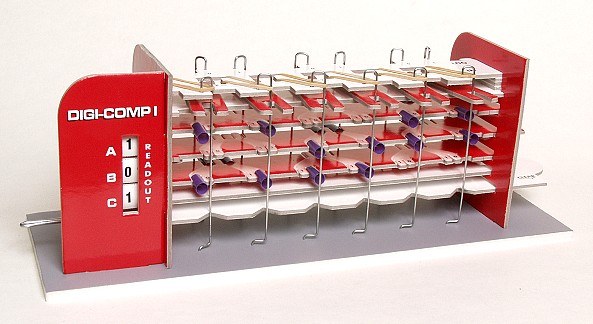 Vol 9 Digi-Comp — Volume 9 — Building a Digi-Comp I From the Minds-On Toys v2.0 kit — or a set of 3D-printed parts — to a working three-bit computer: the order of assembly the 1963 machine was designed around, the parts that decide whether it works, commissioning by the original check-out procedure, and the first programs stepped state by state against the simulator
-
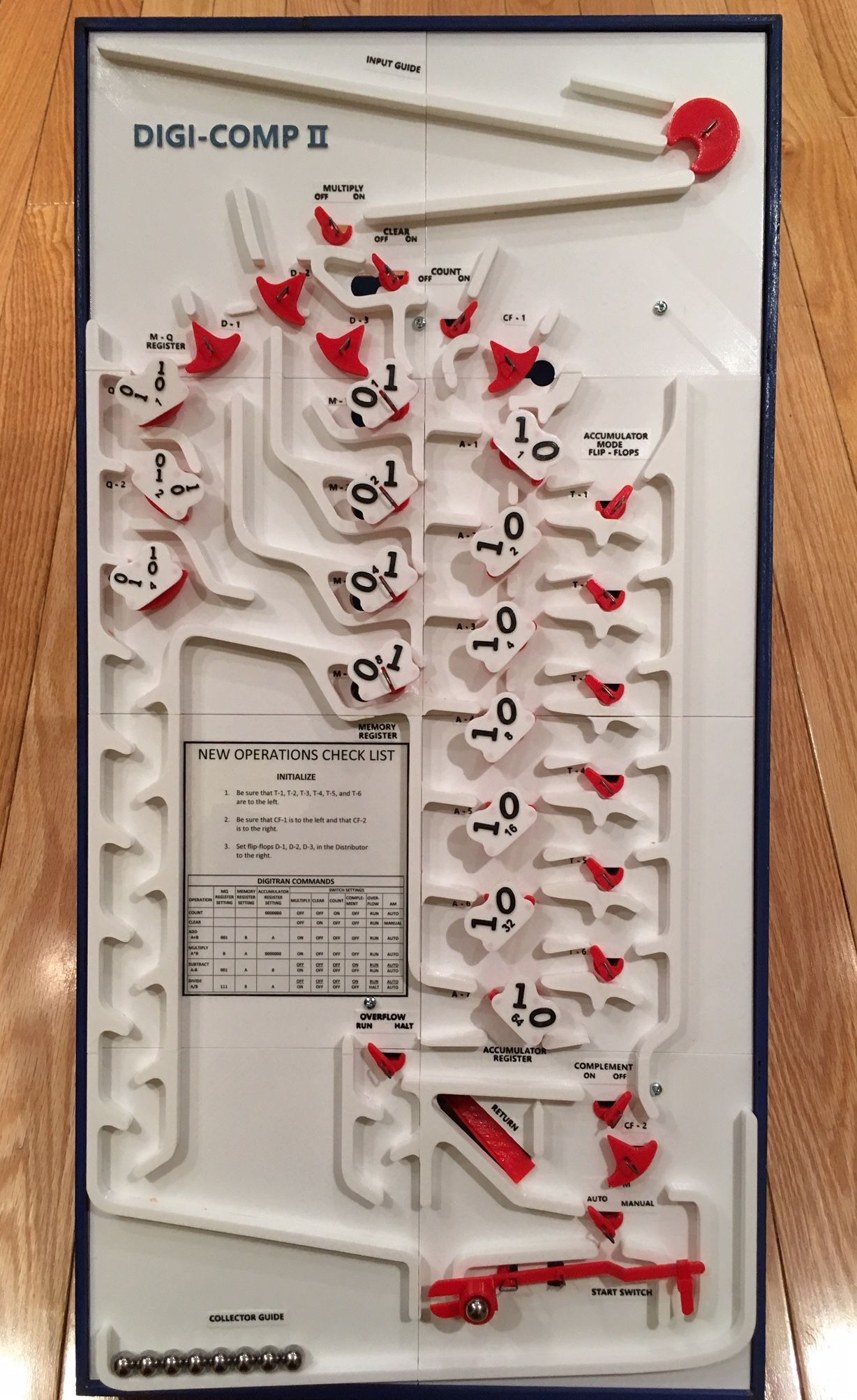 Vol 10 Digi-Comp — Volume 10 — Building a Digi-Comp II With the plywood kit out of production, the rolling-ball computer built from Michael Gardi's free 3D-printed replica: the parts and the wood, a base box cut to the original size, thirty-three hand-bent springs, the start-and-release mechanism, the fine tuning that makes every ball go where it should, how many balls each operation needs, and commissioning by the 1965 manual's own tests