Search every volume:
?
How to search
sten gun- pages with both words
"sten gun"- the words together, as a phrase
sten OR sterling- either one (
|works too) sten -replica- leave out pages that mention “replica”
Without quotes, the last word also matches longer words that start with it (sten finds Stenophylla), and close word forms count (rifle finds rifles). Tick Exact words to match whole words only.
Whole deep dives are listed first, then the pages inside them.
Volumes
-
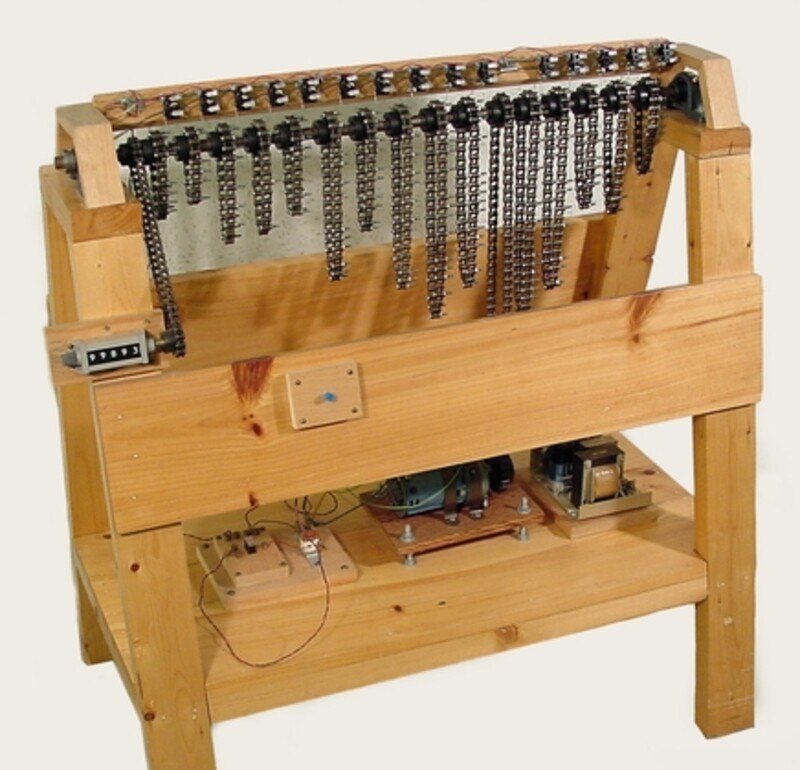 Vol 1 Number Sieves — Volume 1 — Machines That Throw Numbers Away What a sieve is, why a loop of bicycle chain can do arithmetic, and the long road from Eratosthenes to the factoring of RSA keys — the orientation volume for the fourteen-part series
-
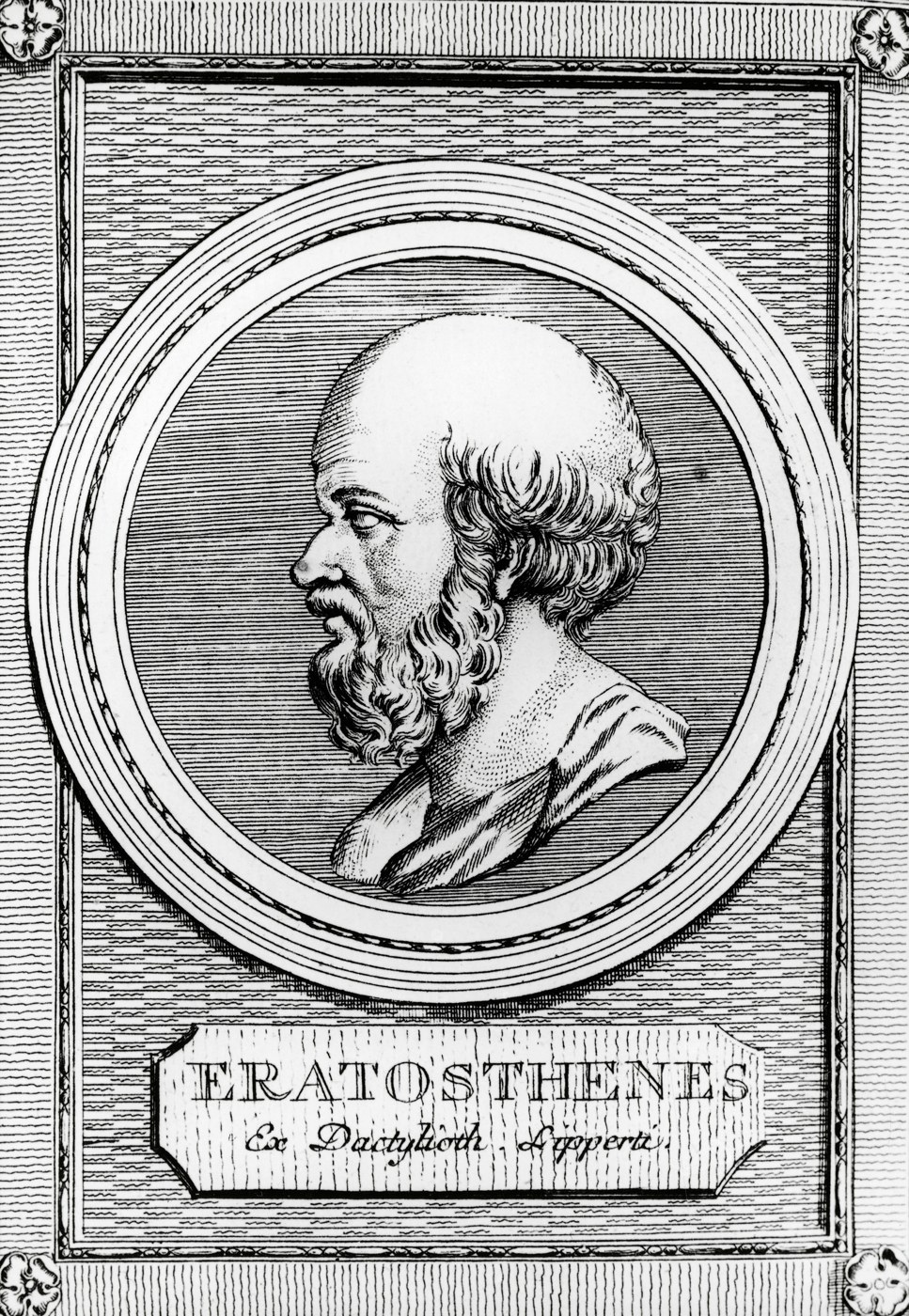 Vol 2 Number Sieves — Volume 2 — Prime Numbers and the Sieve of Eratosthenes What primes are, why they never run out, how a Greek librarian's method for finding them reached us, how to run it properly — and what it shows about the way the primes thin out, cluster and pair up
-
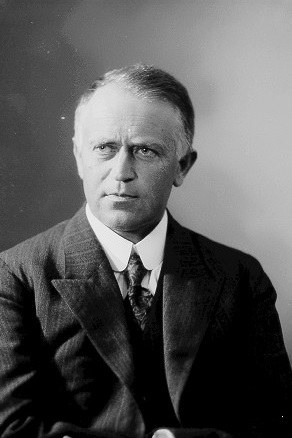 Vol 3 Number Sieves — Volume 3 — Beyond Eratosthenes: Wheels, Segments and Sieve Theory How one ancient procedure became a family of fast algorithms and a branch of mathematics — and how crossing out multiples turns into crossing out residue classes, the move that makes sieve machines possible
-
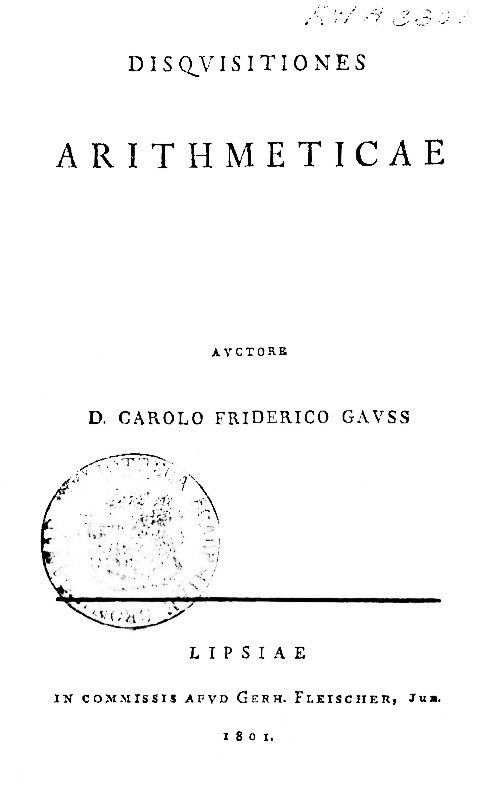 Vol 4 Number Sieves — Volume 4 — Congruences Made Mechanical Clock arithmetic, squares and their residues, the Chinese Remainder Theorem and Fermat's difference of squares — and the complete factoring of 7663 by two loops of chain, showing exactly why a loop with tabs is a modulus
-
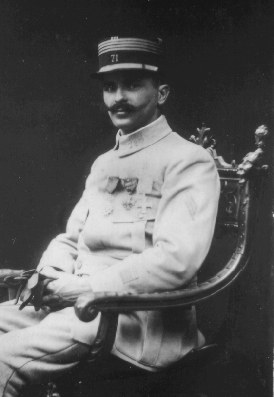 Vol 5 Number Sieves — Volume 5 — Before the Machines: Carissan, Gérardin, Kraitchik and the Lehmers Factor tables, paper strips, a hand-cranked French congruence machine found in an observatory drawer, and the Berkeley family that turned sieving into engineering
-
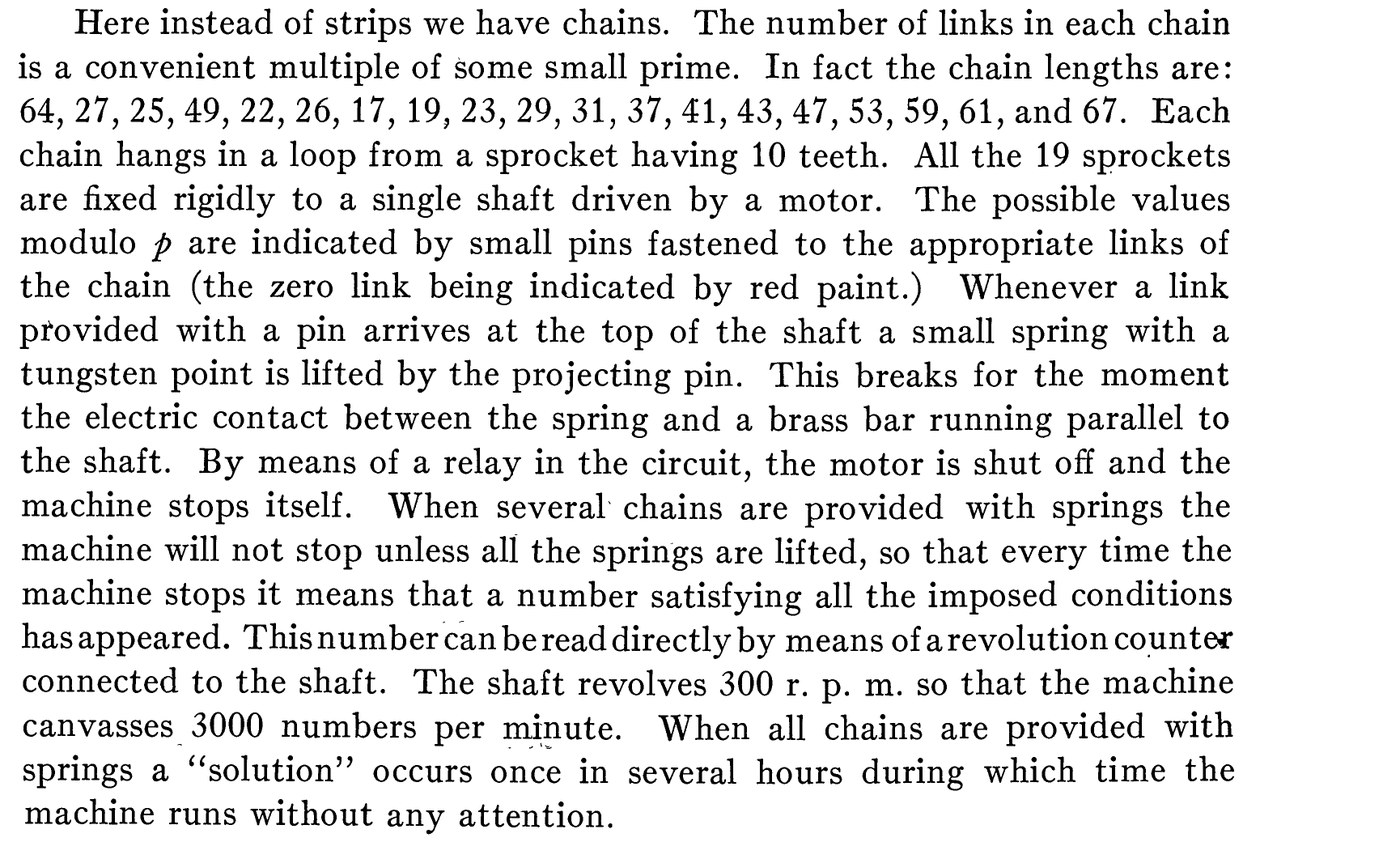 Vol 6 Number Sieves — Volume 6 — The Bicycle-Chain Sieve (1926–1928) Nineteen loops of chain, a shaft, a brass bar and a revolution counter: how D. H. Lehmer's first machine worked, what it solved, and the two stops its 1928 paper does not mention
-
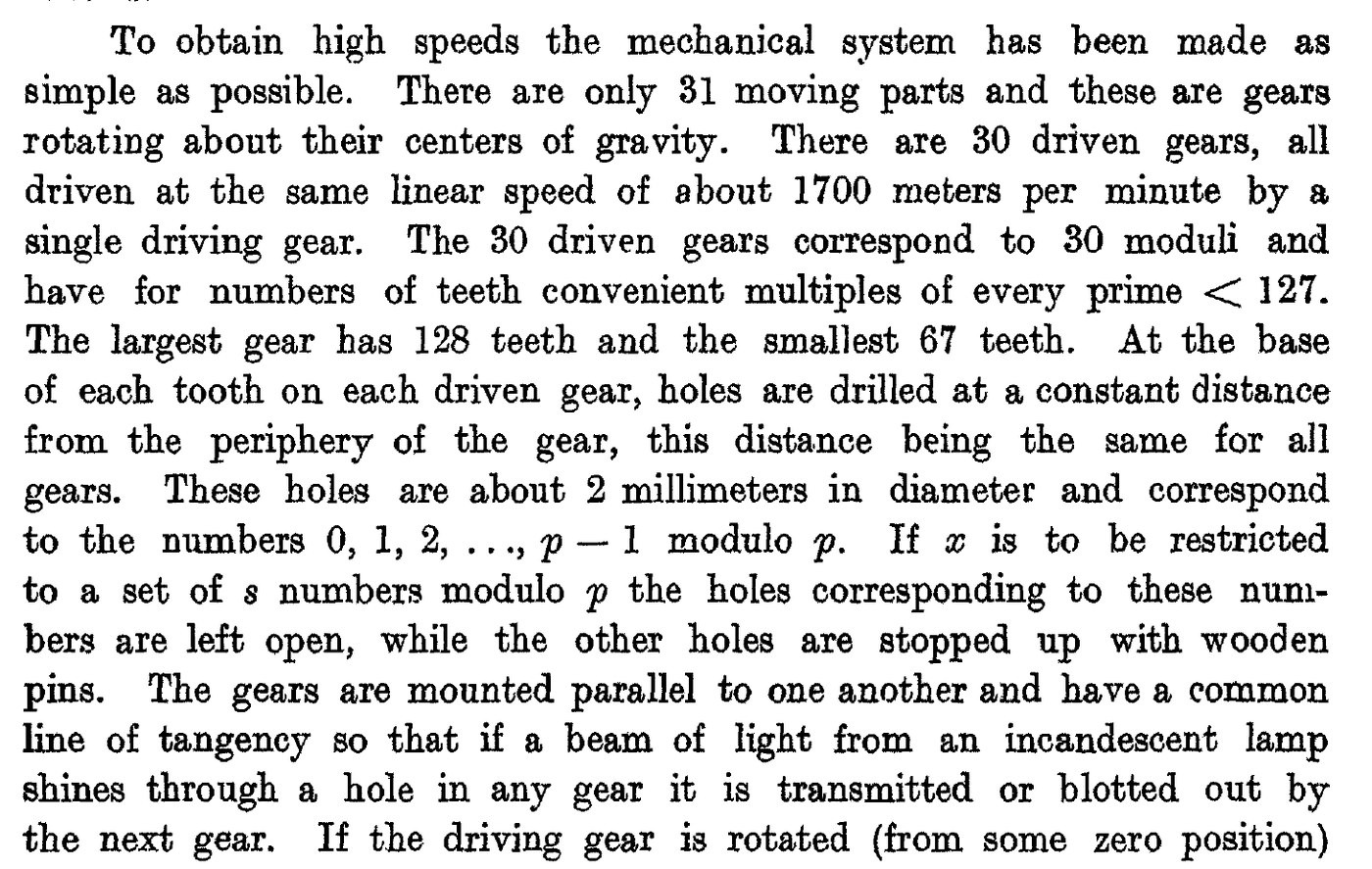 Vol 7 Number Sieves — Volume 7 — The Photoelectric Gear Sieve (1932) Thirty gears drilled under every tooth, toothpicks in the holes, a headlamp, a photocell and an amplifier with a gain of seven hundred million: how D. H. Lehmer's second machine worked and what it found
-
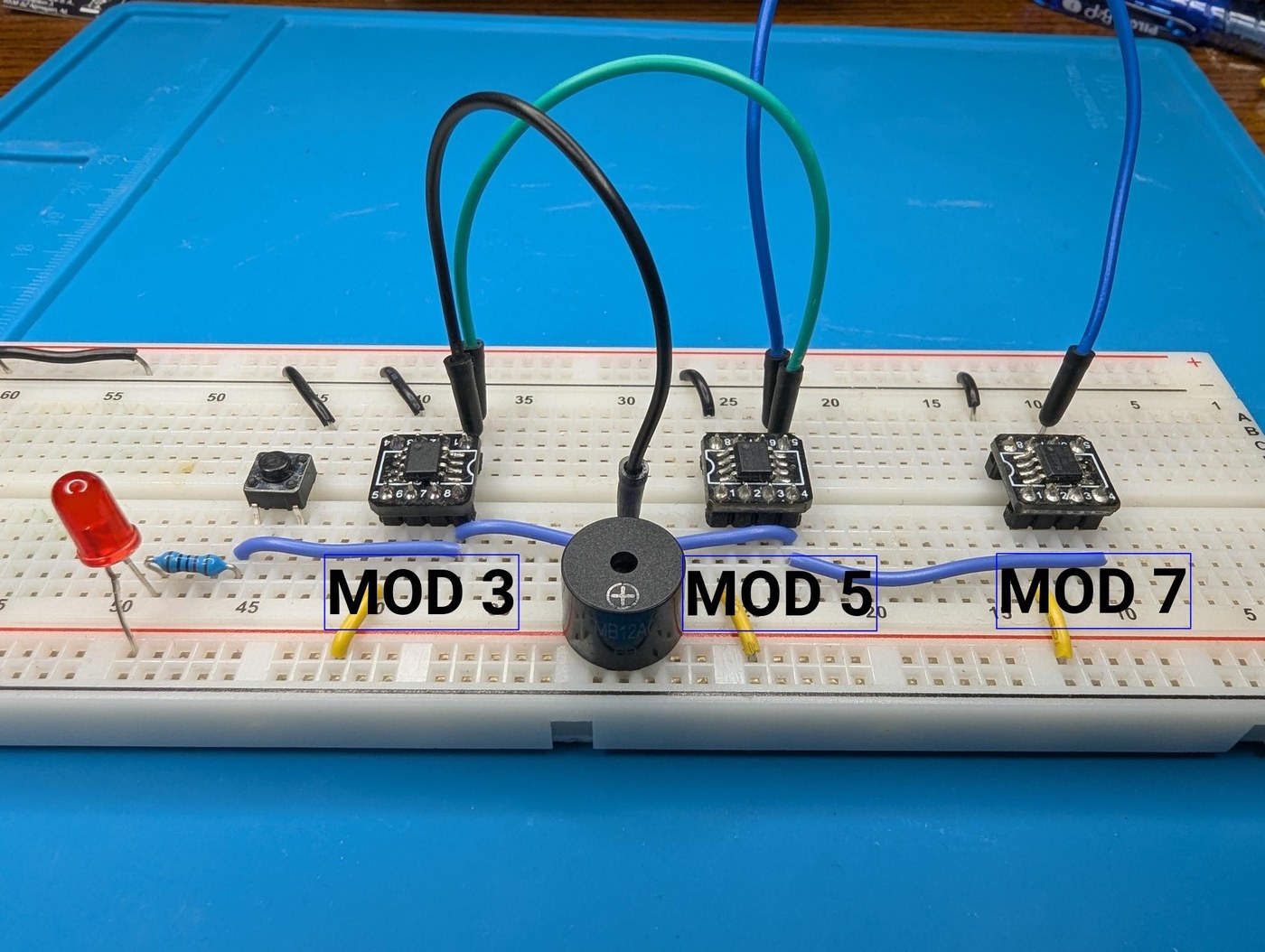 Vol 8 Number Sieves — Volume 8 — Electronic Sieves, 1965–2001, and a Tiny Sieve in ATtinys Surplus Navy delay lines, a shift-register machine scrapped by mistake, three generations of Manitoba sieves ending in a custom chip, the algorithm that made them unnecessary — and a 2026 sieve of thirty eight-pin microcontrollers
-
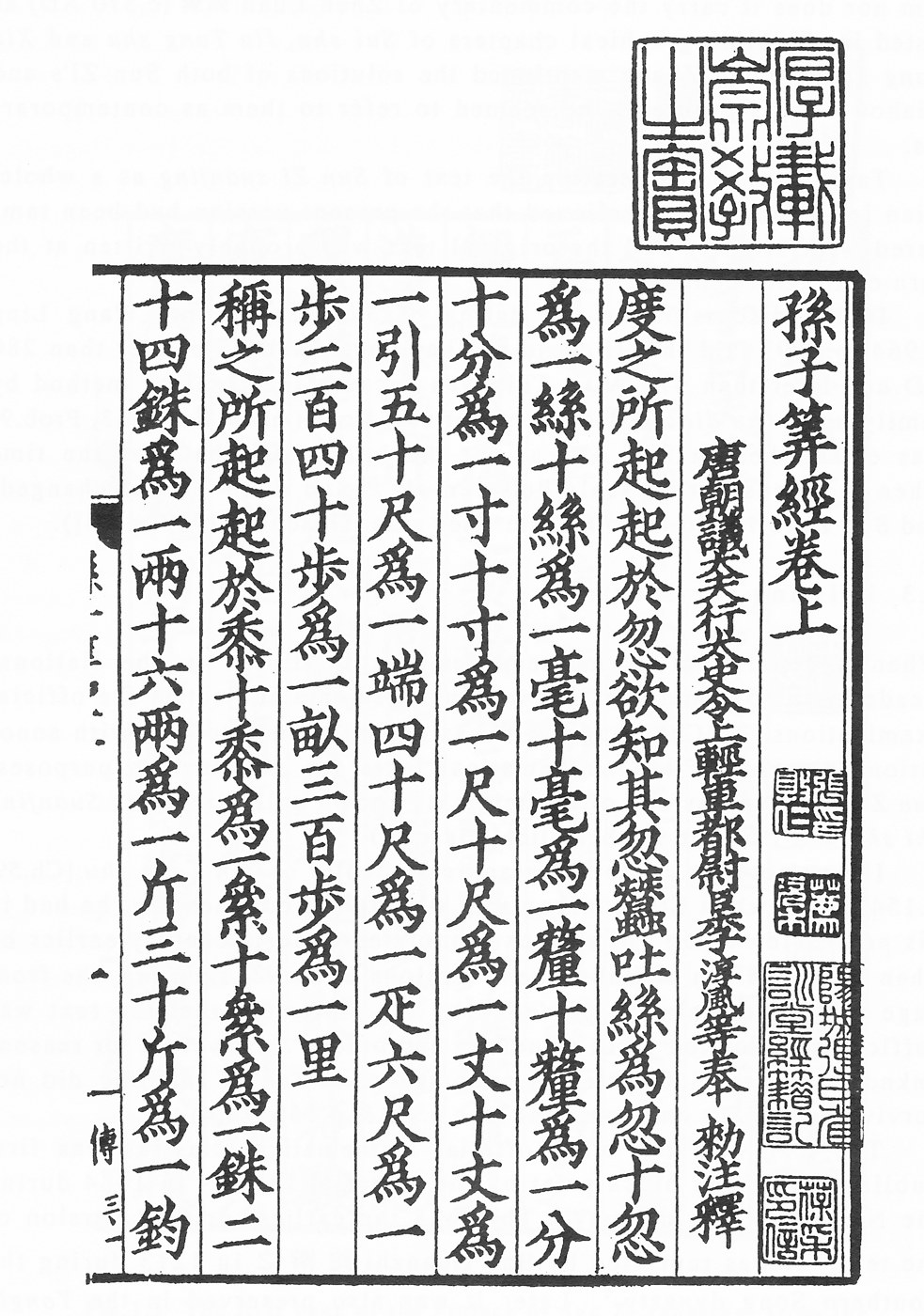 Vol 9 Number Sieves — Volume 9 — What a Sieve Can Solve Worked problems from easy to hard — primes, Sun Zi's remainders, Fermat's squares, Lehmer's quadratic forms, Mersenne numbers and pseudosquares — with the moduli, the survivors and the running time on three machines for each, and the cases where sieving fails
-
 Vol 10 Number Sieves — Volume 10 — Sieves in Cryptography From Lehmer to the number field sieve — why factoring became a matter of state security, how Kraitchik's squares, Morrison and Brillhart's continued fractions, Pomerance's quadratic sieve and Pollard's number field sieve each threw numbers away more cleverly than the last, the optoelectronic sieves that were designed and never built, and the quantum algorithm that ends the story
-
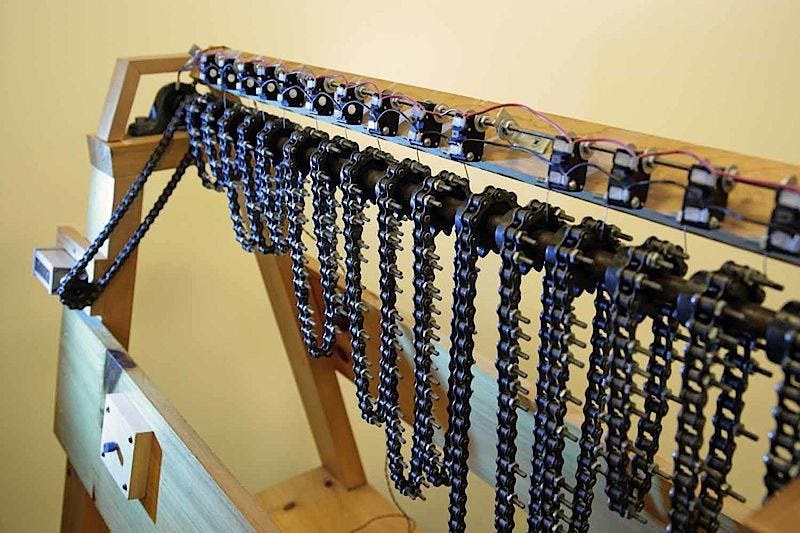 Vol 11 Number Sieves — Volume 11 — Building the Bicycle-Chain Sieve Roller chain, ten-tooth sprockets and a bus of break-to-stop microswitches: a working reproduction of Lehmer's 1927 machine, from design brief to first stop
-
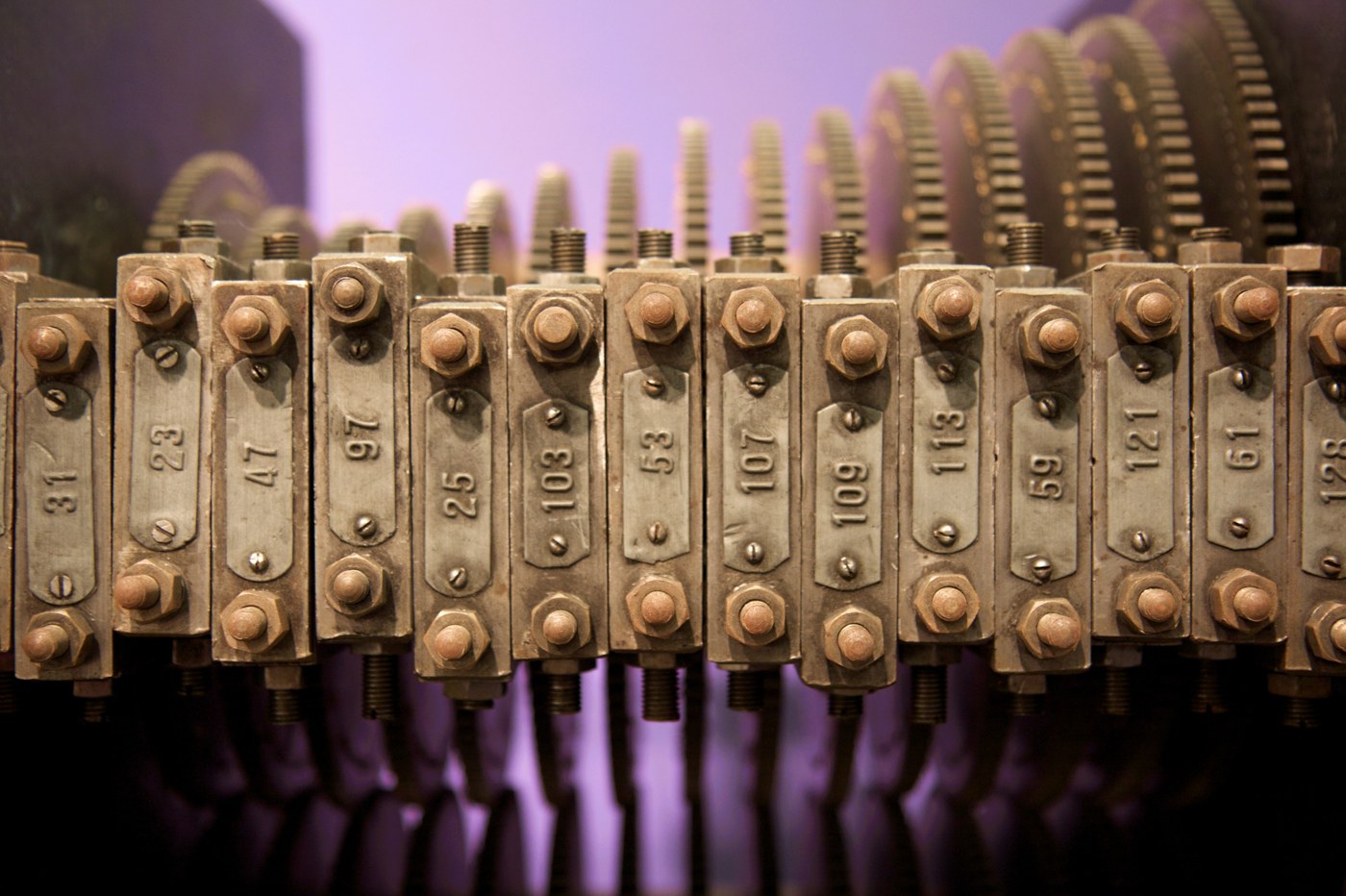 Vol 12 Number Sieves — Volume 12 — Building the Photoelectric Gear Sieve Thirty gears, one hole under every tooth, a beam of light and a photodiode: a reproduction of Lehmer's 1932 machine designed for a home shop
-
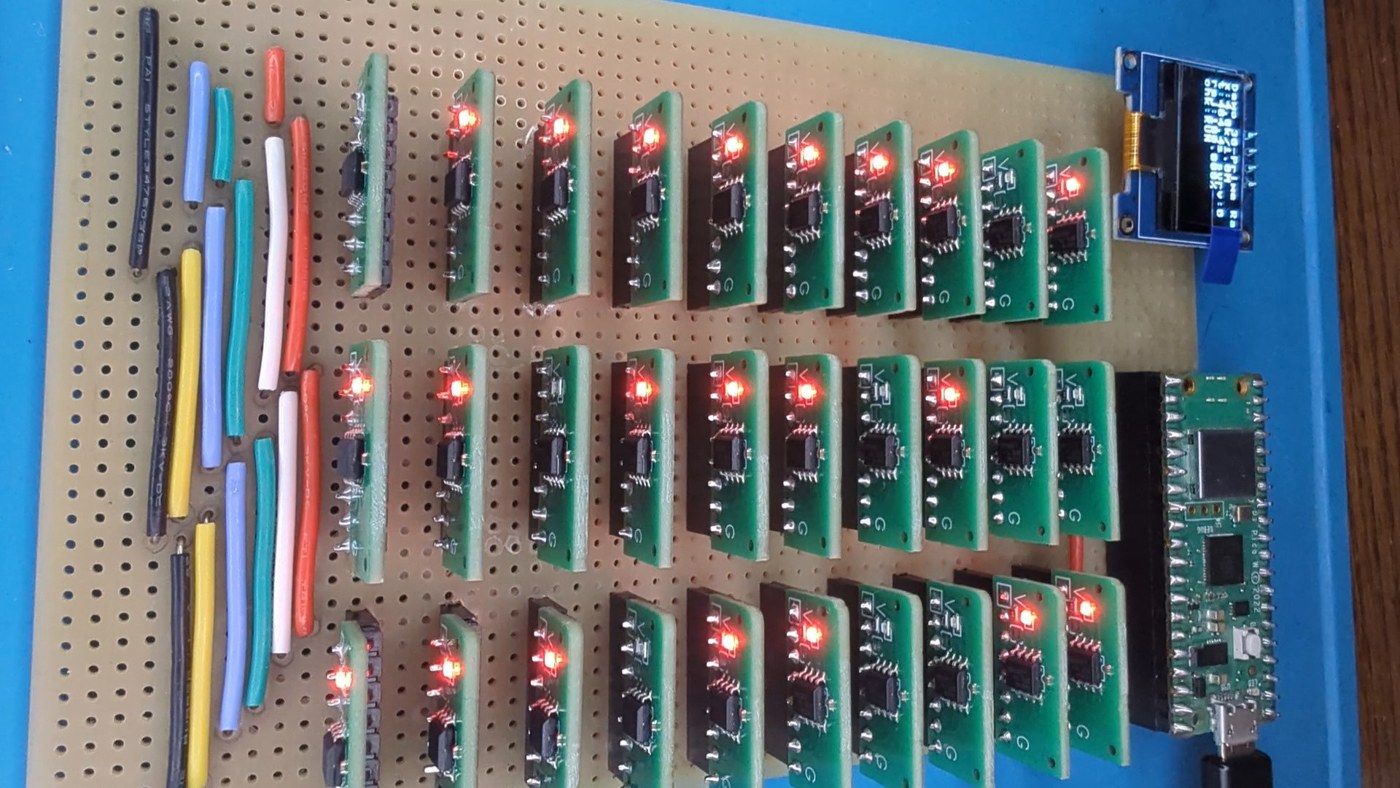 Vol 13 Number Sieves — Volume 13 — Building the Tiny Sieve (ATtiny412 + RP2040) Thirty eight-pin microcontrollers, one shared wire and a Raspberry Pi Pico: kbsriram's open electronic sieve, card by card
-
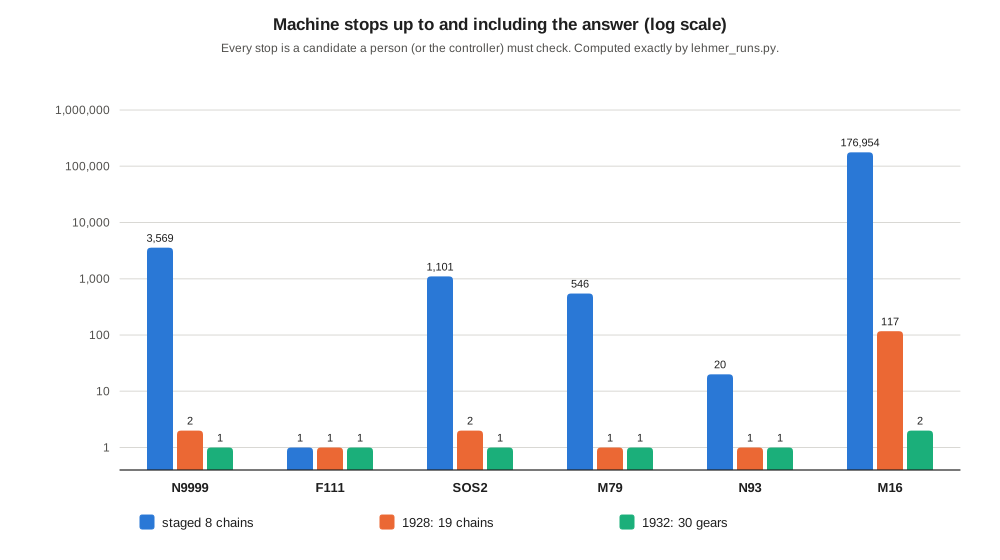 Vol 14 Number Sieves — Volume 14 — Running Lehmer's Problems: Test Protocol and Results Six problems from 1928 and 1932, three machines, and a record sheet: how to set each one up, what each machine must do, and how to tell when it has done it