Search every volume:
?
How to search
sten gun- pages with both words
"sten gun"- the words together, as a phrase
sten OR sterling- either one (
|works too) sten -replica- leave out pages that mention “replica”
Without quotes, the last word also matches longer words that start with it (sten finds Stenophylla), and close word forms count (rifle finds rifles). Tick Exact words to match whole words only.
Whole deep dives are listed first, then the pages inside them.
Volumes
-
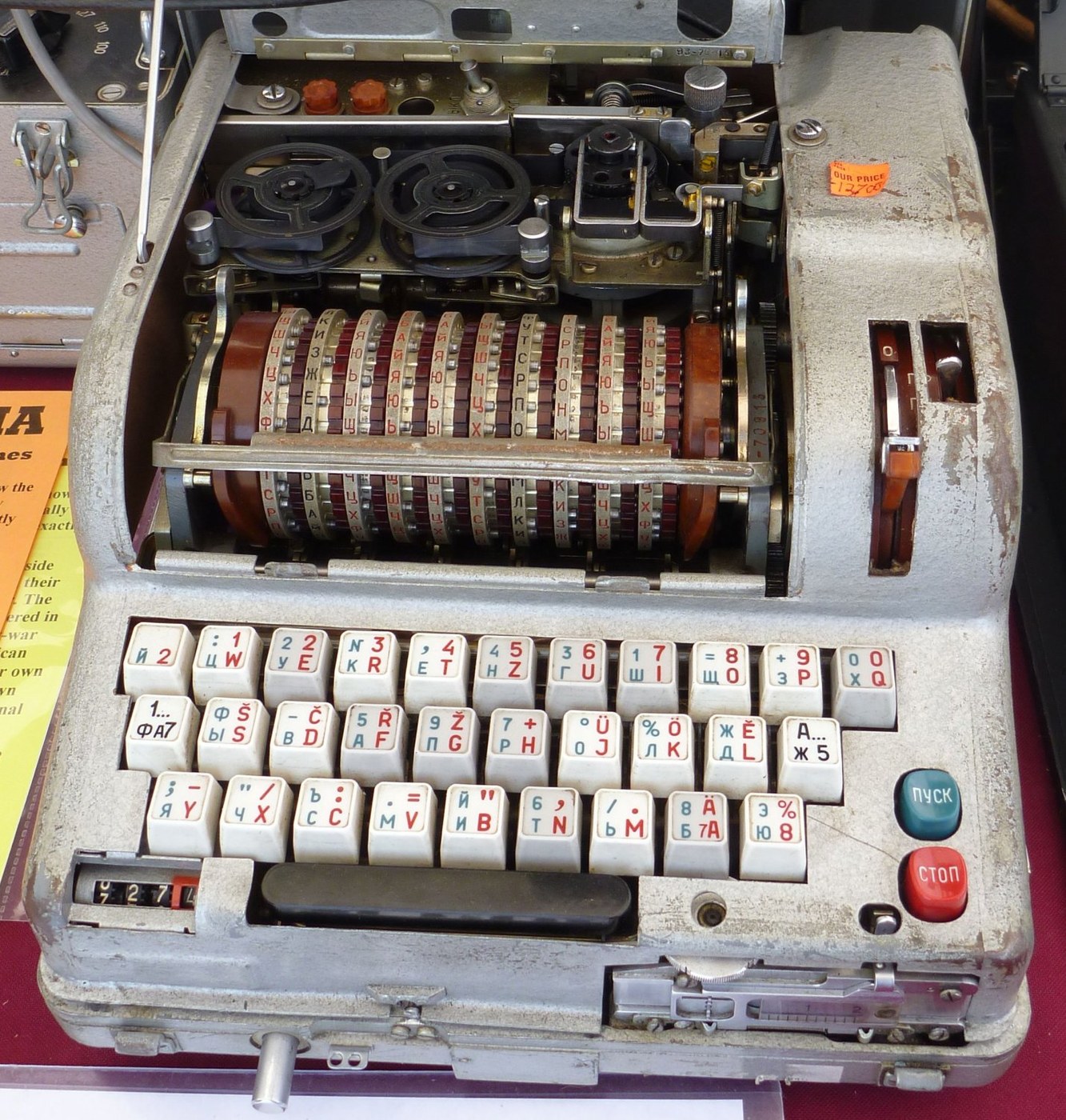 Vol 1 Fialka — Volume 1 — The Soviet Rotor Machine What the M-125 Fialka was, why calling it 'the Russian Enigma' is only half right, who built it and who used it, how it was keyed and guarded, what happened to it after the Soviet Union fell, and how to build and run one today. This is the orientation volume for the ten-part series.
-
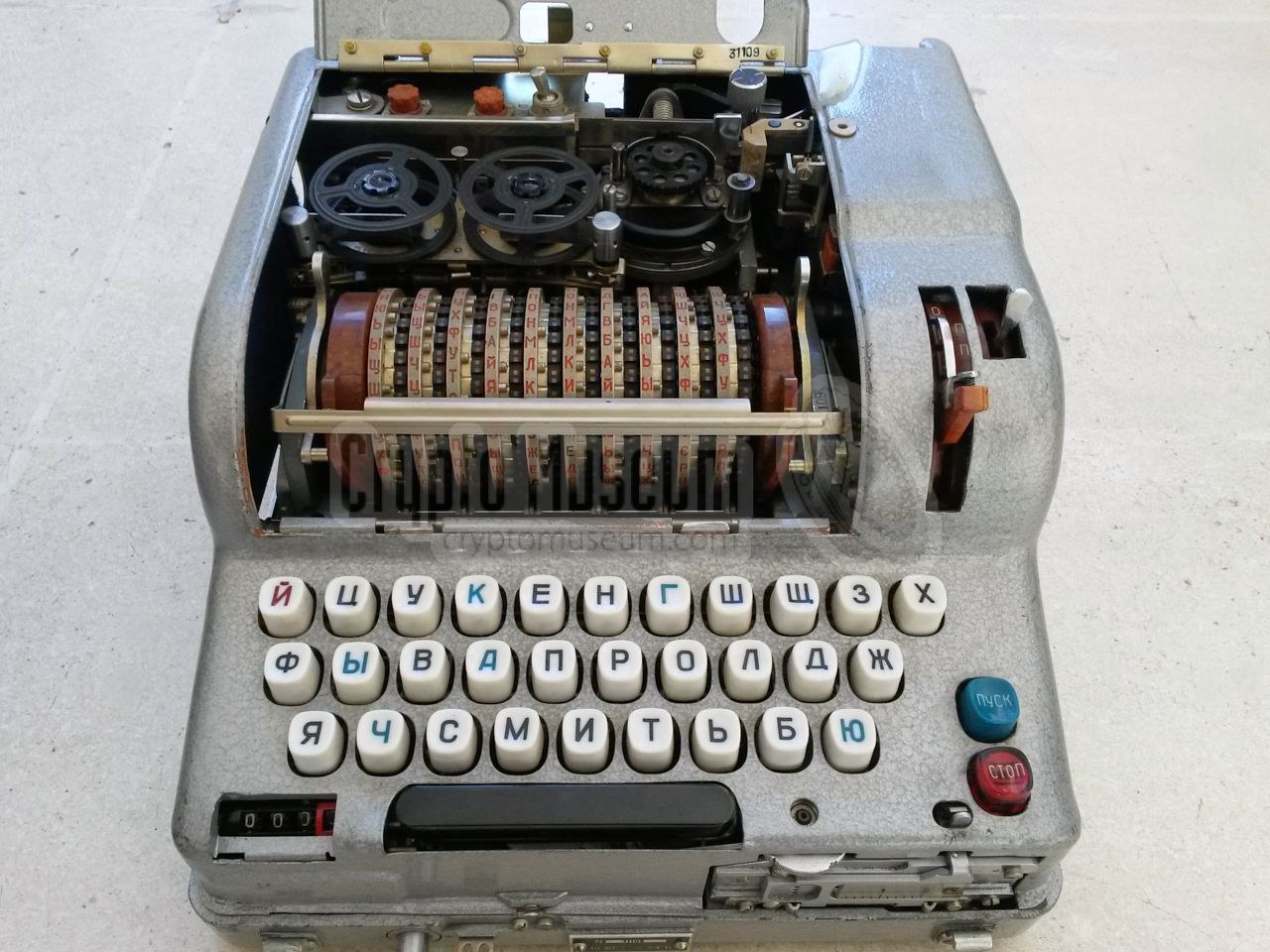 Vol 2 Fialka — Volume 2 — Origins: Soviet Cipher Machines from the 1930s to the M-125 How the Red Army's cipher service went from hand codes to machines; Volosok, Plant No. 209 and the first Soviet tape machines; two Hagelin machines bought in Stockholm and copied as the K-37; the post-war renewal of Soviet cryptography; and what can and cannot be said about who designed the Fialka and when it entered service.
-
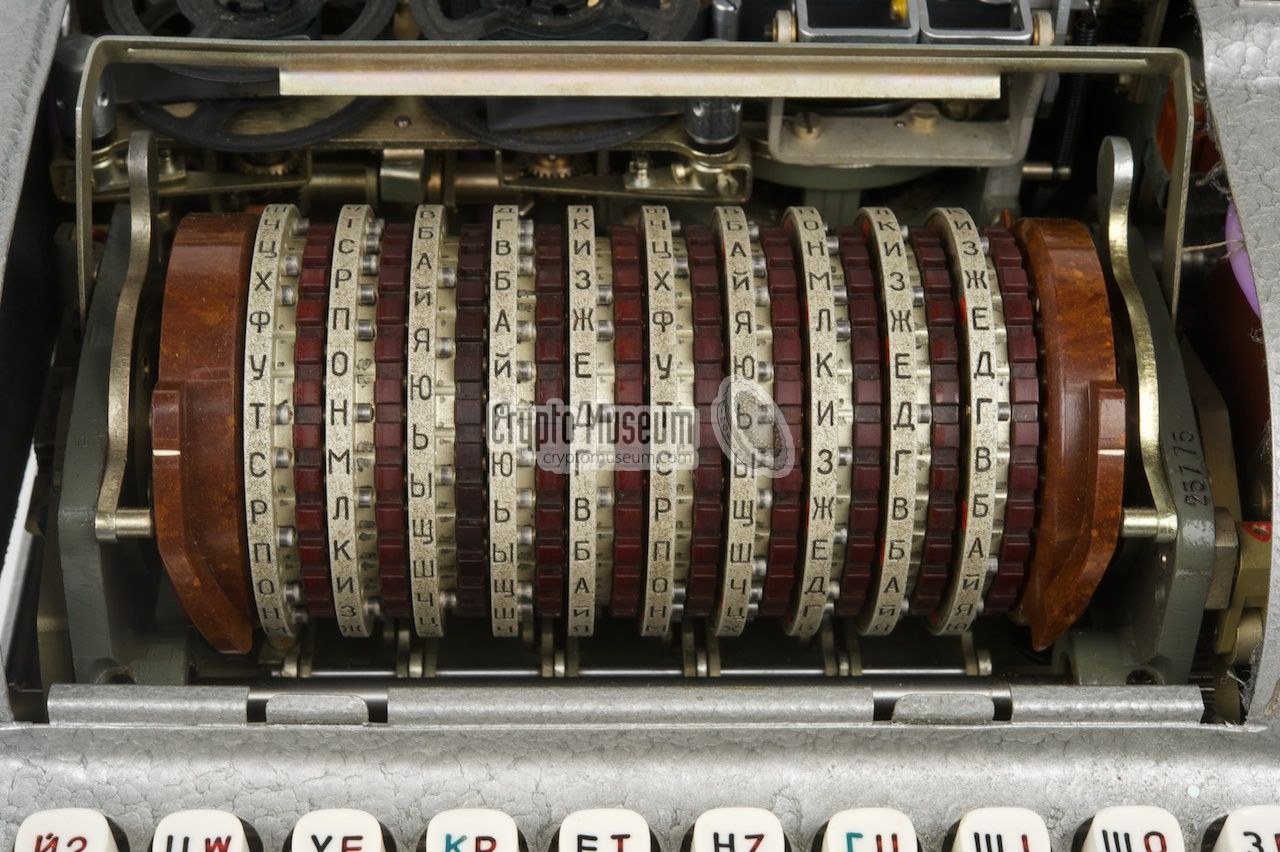 Vol 3 Fialka — Volume 3 — How It Works I — Ten Rotors, Alternate Stepping and the Blocking Pins The drum of ten thirty-contact wheels, the order of the Cyrillic contacts, the path of one current wire by wire, the arithmetic of position, ring and core, the two stepping chains that turn in opposite directions, the blocking pins that hold them back, and the 1978 wheels whose wiring could be lifted out and turned over
-
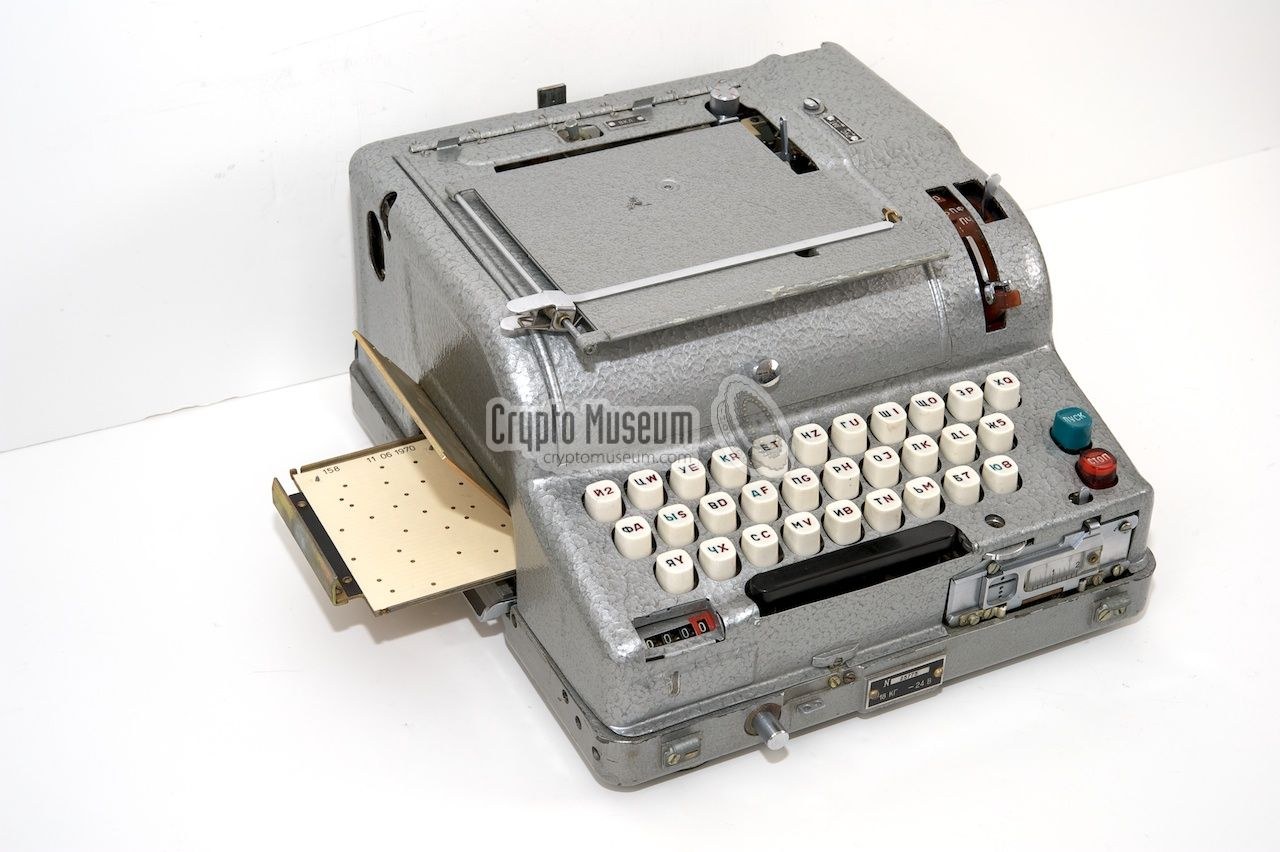 Vol 4 Fialka — Volume 4 — How It Works II — The Card Reader, the Reflector, Keyboard, Printer and Tape The keyboard and its fixed wiring, the punched key card that replaced the plugboard, the reflector with its plaintext contact and three-transistor circuit, the mode switch, the print head and tape punch with their five-bit code, the M-125-3's mixed and numbers-only modes, and the twenty-four-volt supply built to defeat eavesdroppers
-
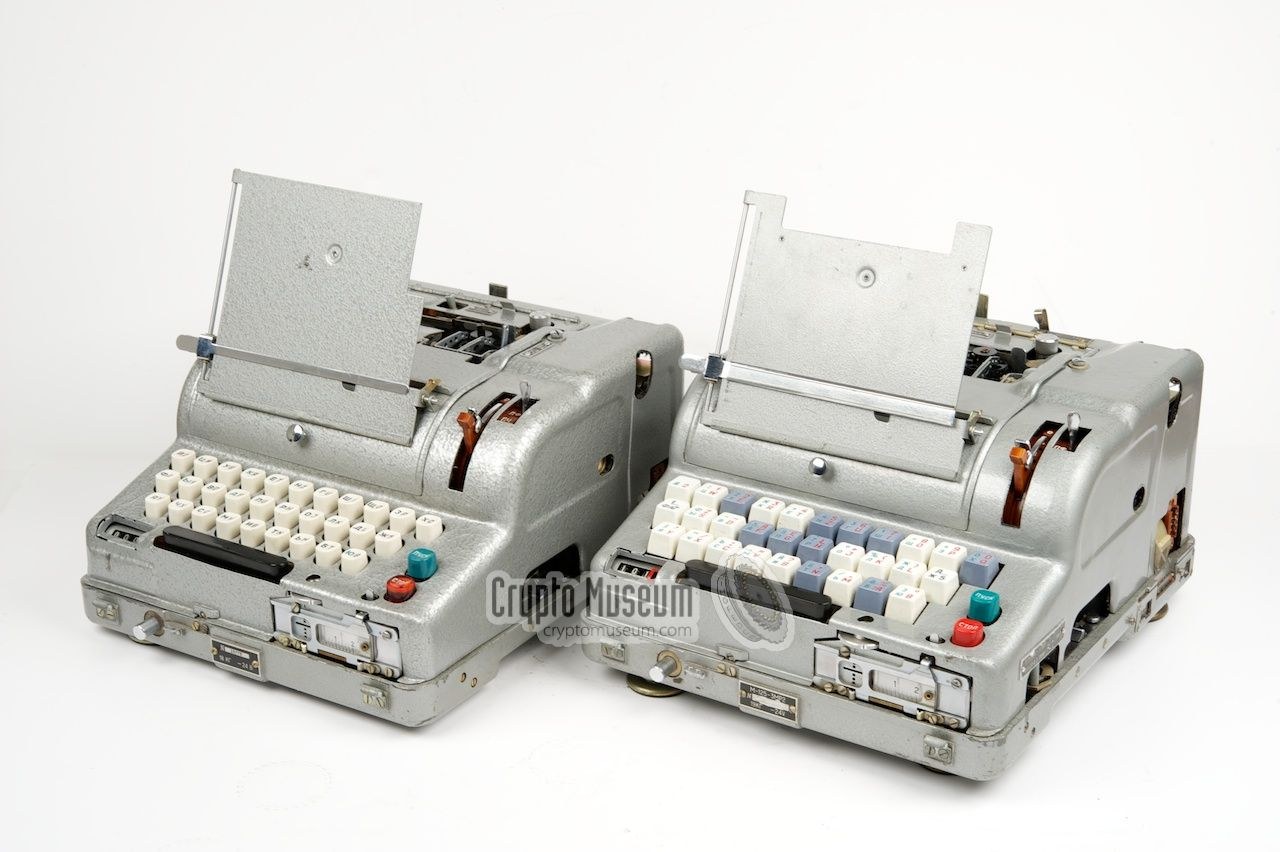 Vol 5 Fialka — Volume 5 — Models and Variants The M-125 and the M-125-3, how to tell them apart, the national versions for the Soviet Union, Poland, Czechoslovakia, East Germany and Hungary, their keyboards and print heads, the two generations of wheels and the wheel-series codes, the standard and TEMPEST power supplies, and the accessories that came in the box.
-
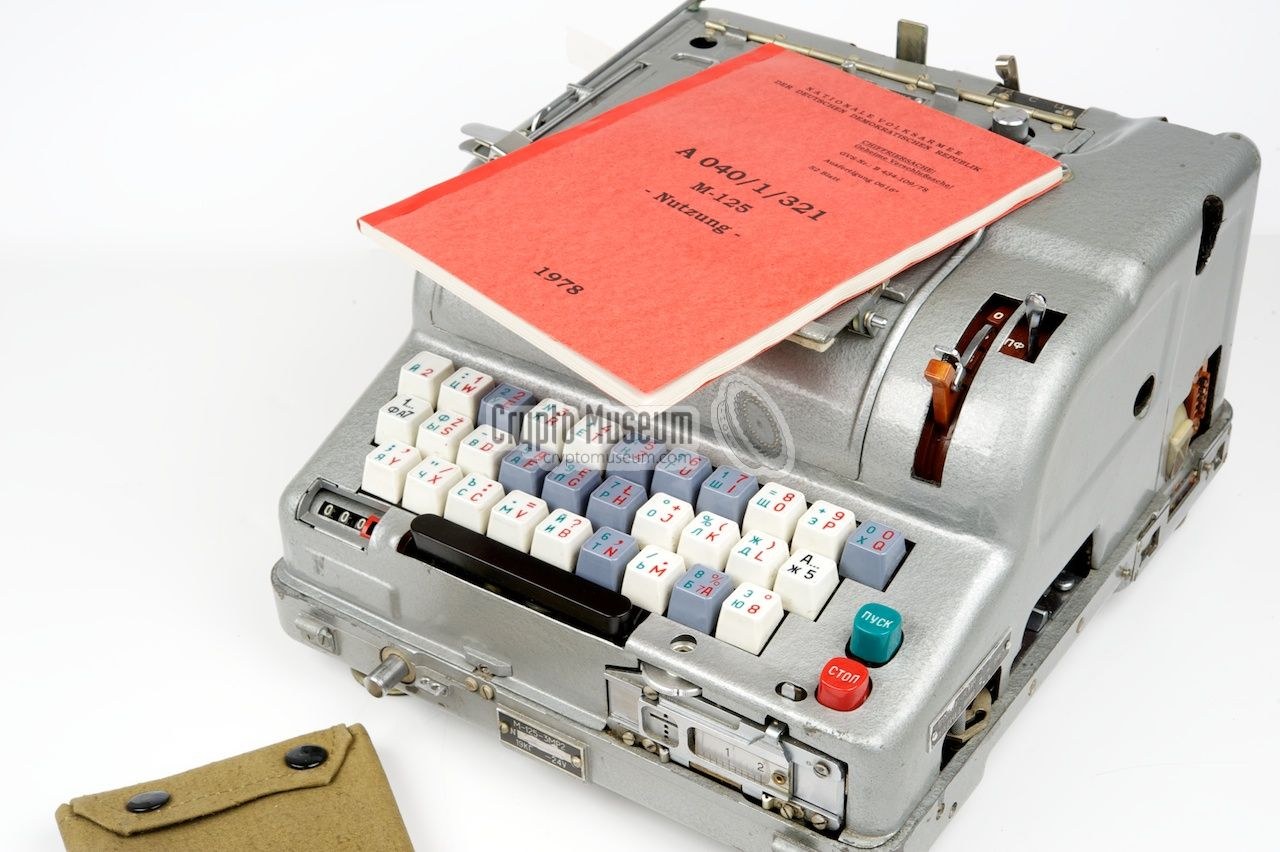 Vol 6 Fialka — Volume 6 — In Service: Key Lists, Cards and Procedure in the Warsaw Pact How a Fialka was keyed and worked, following the East German Army's 1978 operating manual: the monthly key packages, the daily key table and punched card, message keys and identification groups, the layout of a message, the checks and the destruction rules, who made the keys and who could talk to whom, and how the machine was guarded.
-
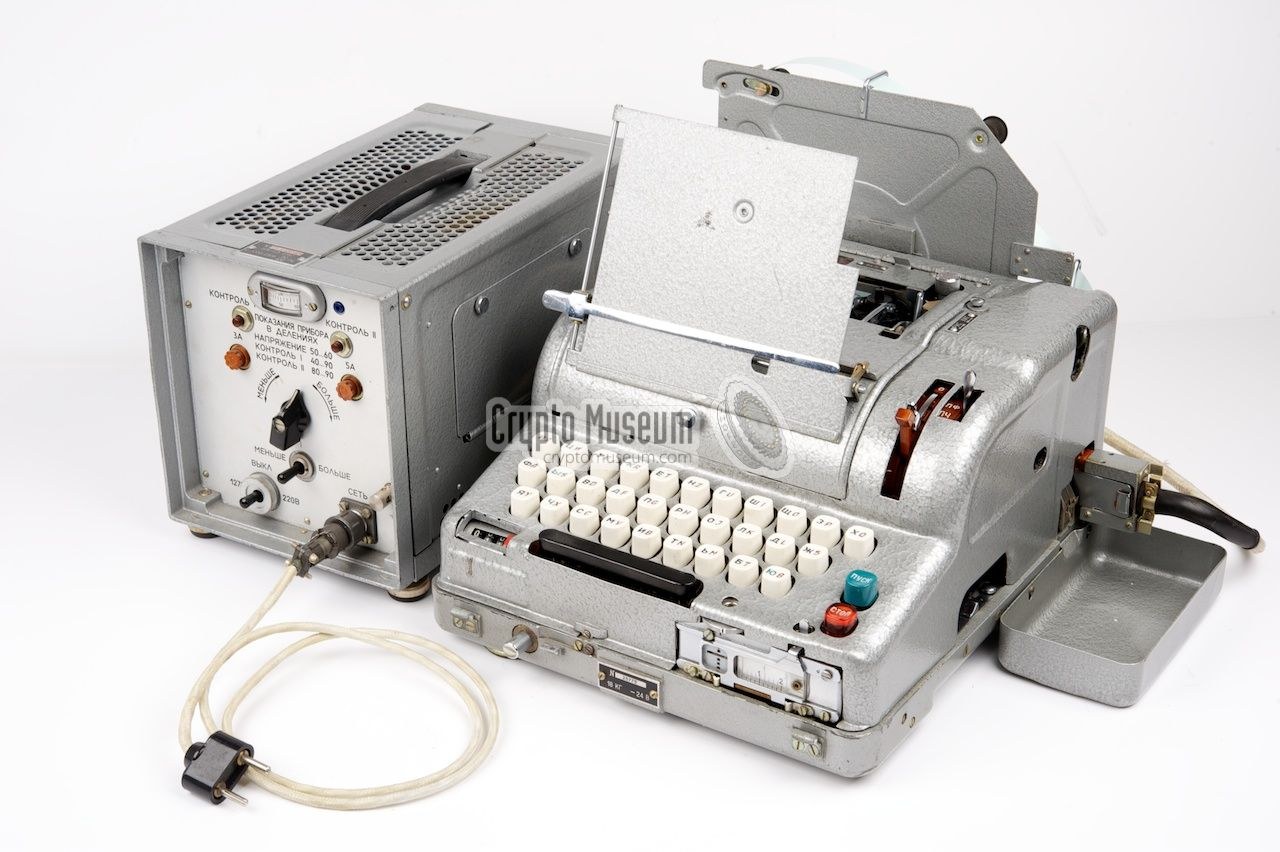 Vol 7 Fialka — Volume 7 — Security and Cryptanalysis What the Fialka's design and procedure did against the methods that broke the wartime rotor machines, what it still had in common with them, why its power supply fought eavesdroppers, what the West may have known about it, where the stories of its being broken come from, and what can actually be said about whether anyone read it.
-
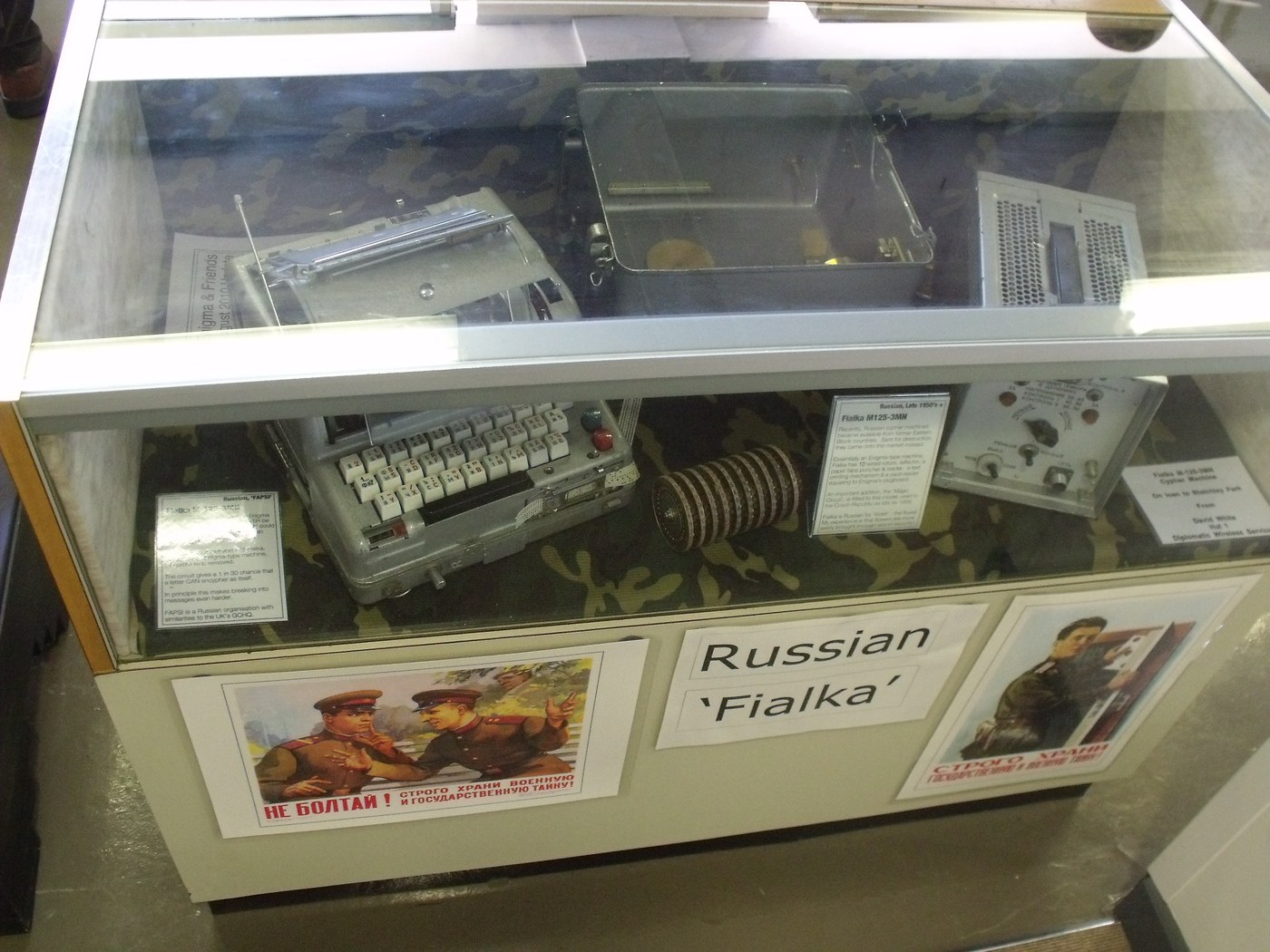 Vol 8 Fialka — Volume 8 — After 1990: Declassification, Collectors and Museums How the Fialka machines were recalled and destroyed after the Warsaw Pact collapsed, how a few escaped, how two Dutch engineers and an American collector reverse-engineered a machine nobody would explain, how original Russian machines surfaced and Moscow declassified its own, and where Fialkas can be seen, bought and simulated today.
-
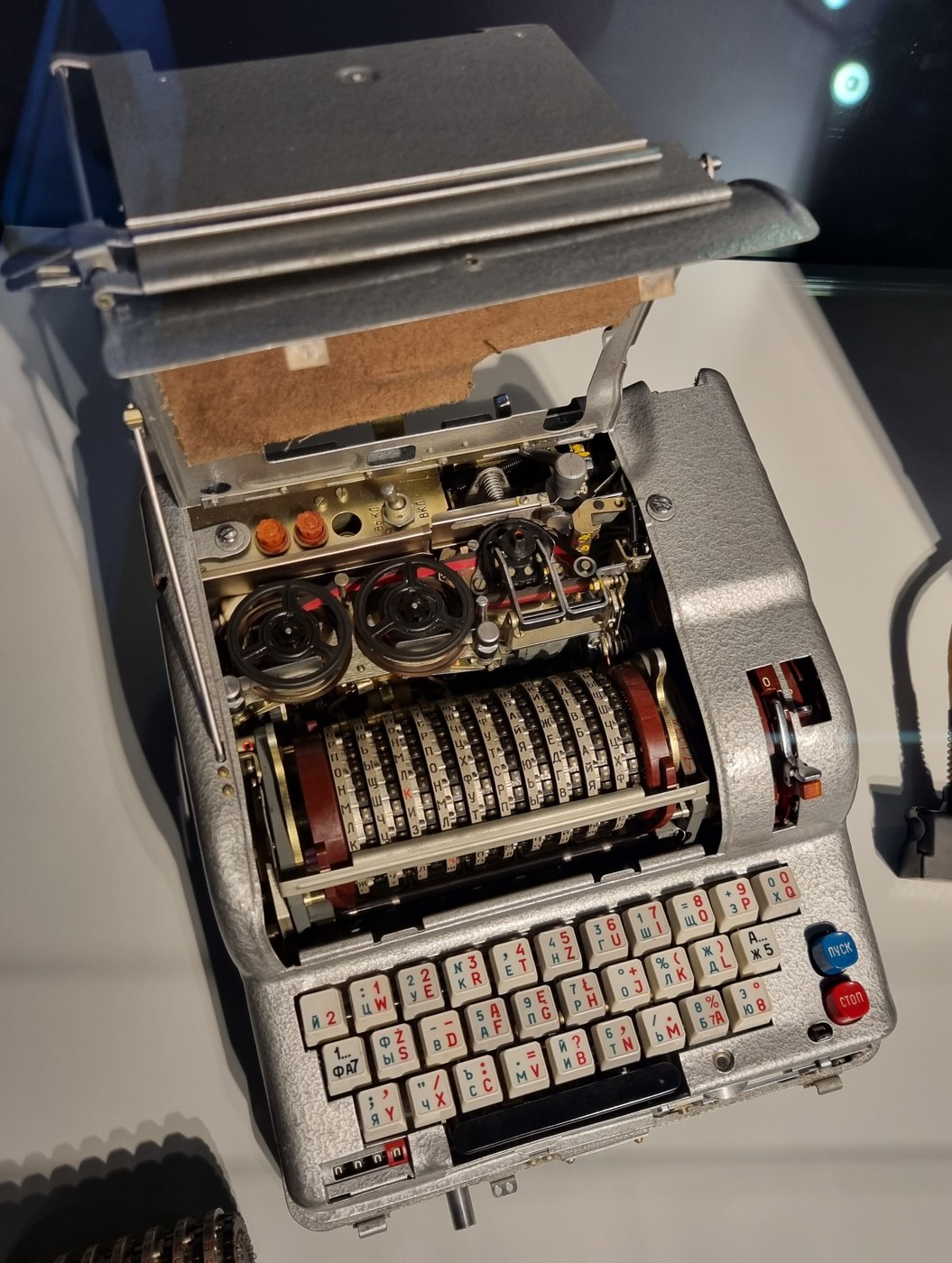 Vol 9 Fialka — Volume 9 — Building a Fialka — Simulator and Replica Options The simulators that already exist and who made them, how this series's simulator was checked against them, three ways to build a Fialka, and a full design for an electromechanical replica: ten wheels with removable printed-circuit cores, spring-pin contact plates, blocking pins read by light, a thirty-by-thirty key-card board and a microcontroller doing the work of the motor and cams
-
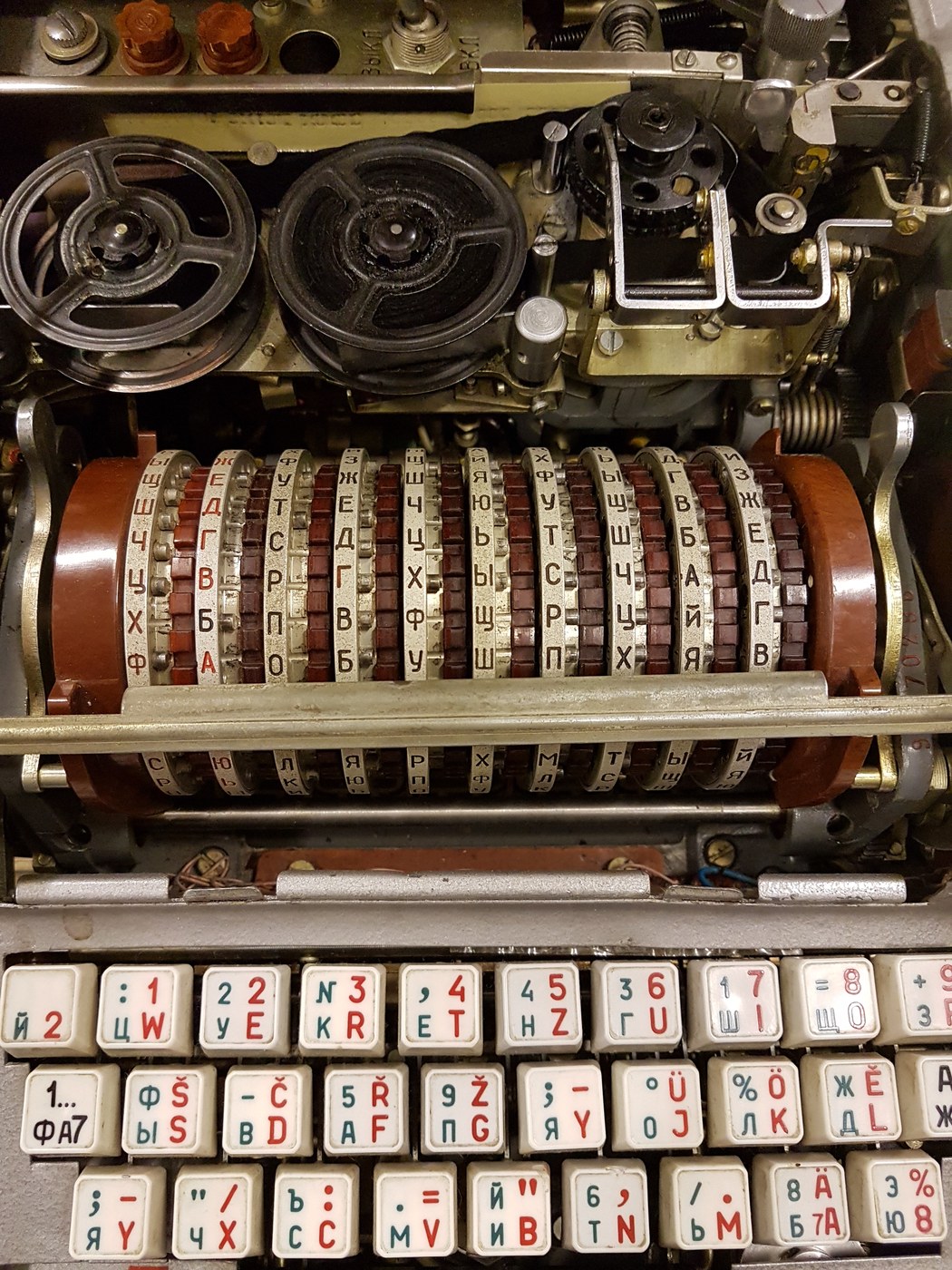 Vol 10 Fialka — Volume 10 — Running a Fialka — Setting a Key, a Worked Message, and an Attack Demo A daily key table in the form of the 1978 East German manual, set up wheel by wheel; the message key; a message enciphered, handed over as a tape and deciphered; what a wrong switch, a lost letter or a mis-set ring does; the size of the key; and an attack on the simulator that shows how the work grows with every unknown wheel