Search every volume:
?
How to search
sten gun- pages with both words
"sten gun"- the words together, as a phrase
sten OR sterling- either one (
|works too) sten -replica- leave out pages that mention “replica”
Without quotes, the last word also matches longer words that start with it (sten finds Stenophylla), and close word forms count (rifle finds rifles). Tick Exact words to match whole words only.
Whole deep dives are listed first, then the pages inside them.
Volumes
-
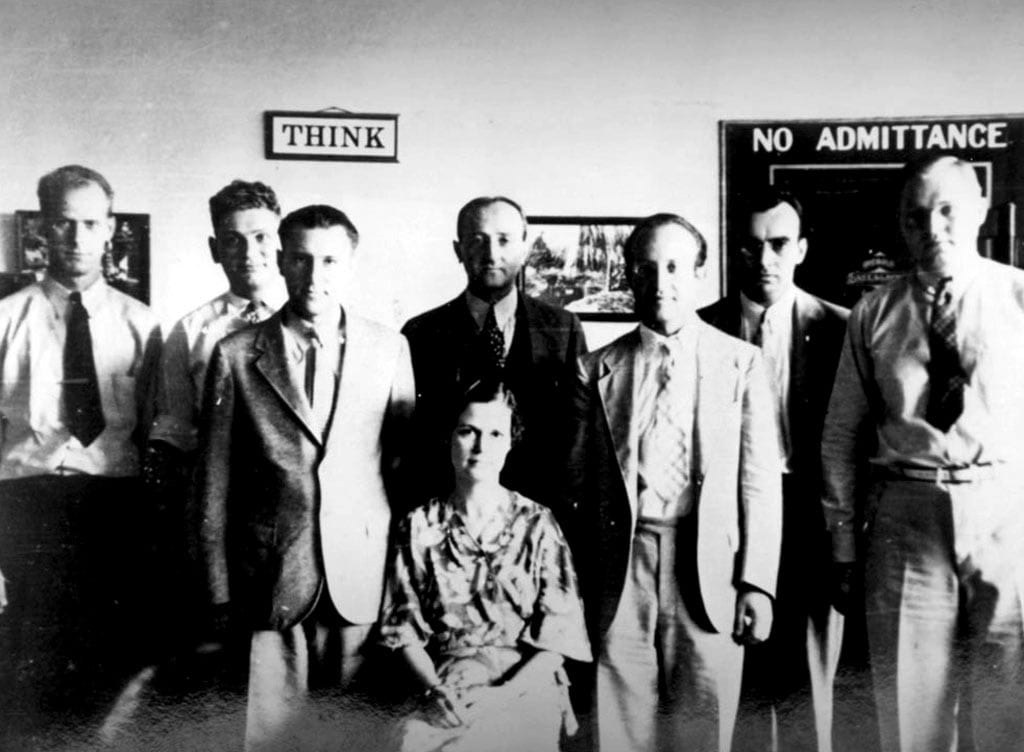 Vol 1 The Codebreakers — Volume 1 — The School on Constitution Avenue Who broke PURPLE and invented SIGABA, how a handful of teachers, linguists and mathematicians in two temporary buildings on the Washington Mall turned codebreaking into a taught science, and why the methods they worked out are still studied — the orientation volume for the twelve-part series
-
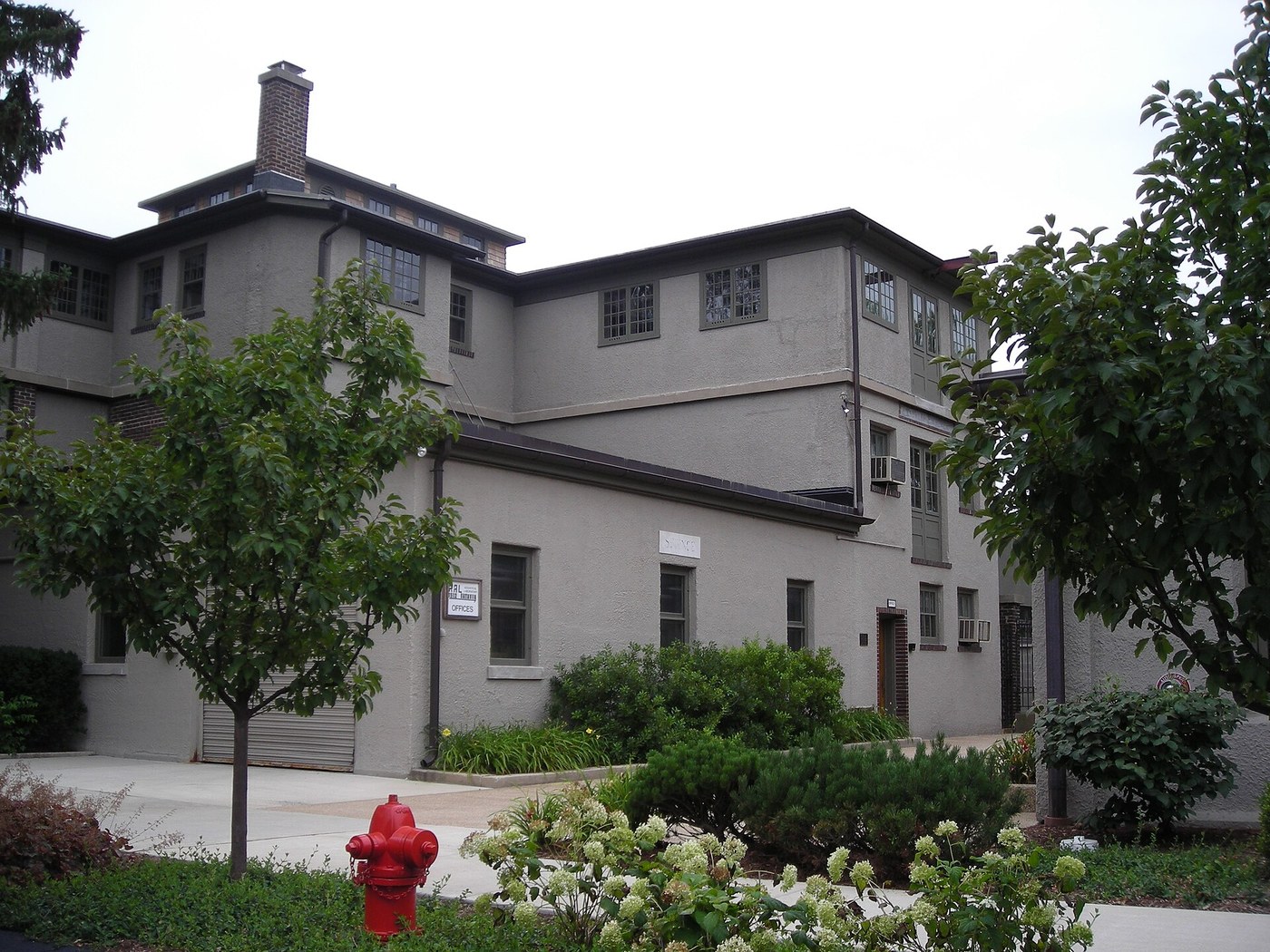 Vol 2 The Codebreakers — Volume 2 — Riverbank — William and Elizebeth Friedman and the Index of Coincidence A millionaire's estate on the Fox River, a hunt for ciphers in Shakespeare, the first American courses in cryptology, eight pamphlets that founded a science, and the two careers that grew out of them: his in the War Department, hers against the smugglers of Prohibition
-
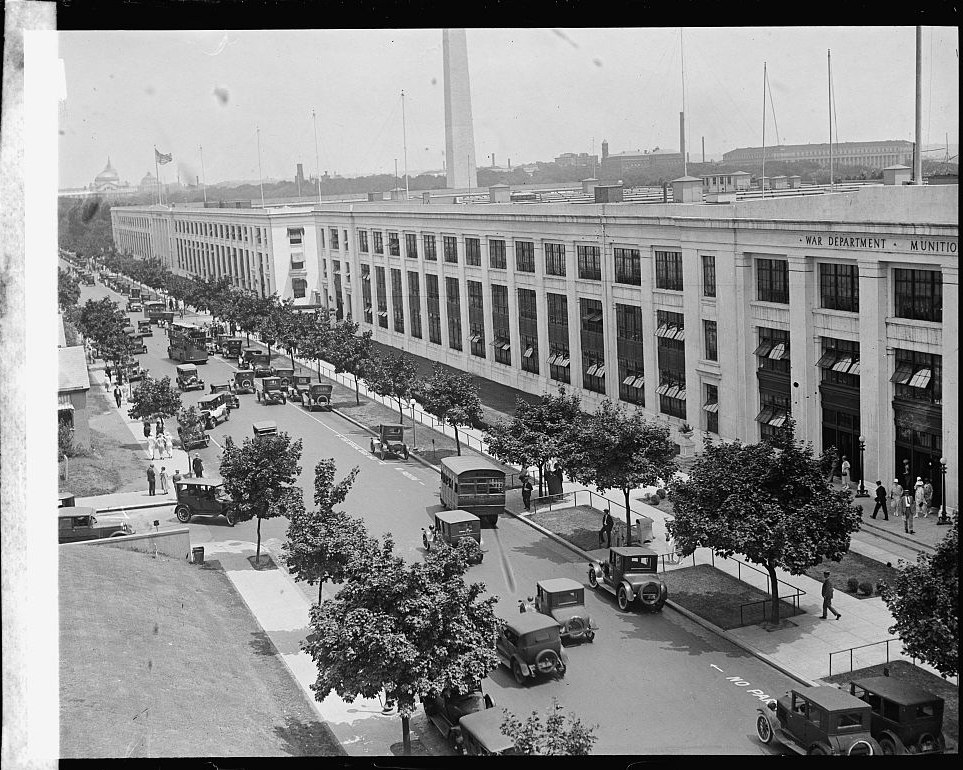 Vol 3 The Codebreakers — Volume 3 — 1930: Rowlett, Sinkov, Kullback and Hurt — Building the Signal Intelligence Service How the U.S. Army replaced Yardley's Black Chamber with four young recruits and one teacher; what Friedman taught them in the vault of the Munitions Building, in what order and from which texts; how the Army's correspondence courses and officers' school spread the method; and what became of the four men who learned it
-
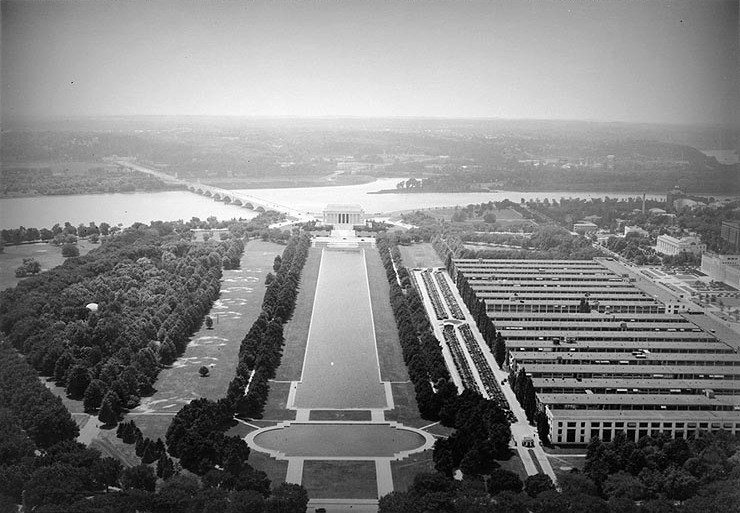 Vol 4 The Codebreakers — Volume 4 — The Navy's Codebreakers — Safford, Driscoll, Rochefort and OP-20-G The other American school: a lieutenant called off a minesweeper to run a 'Research Desk', a former music teacher who became the Navy's finest cryptanalyst and its teacher, a radio school on the roof of Main Navy, fleet exercises in which the codebreakers read everything, and a rivalry with the Army that ended in odd and even days
-
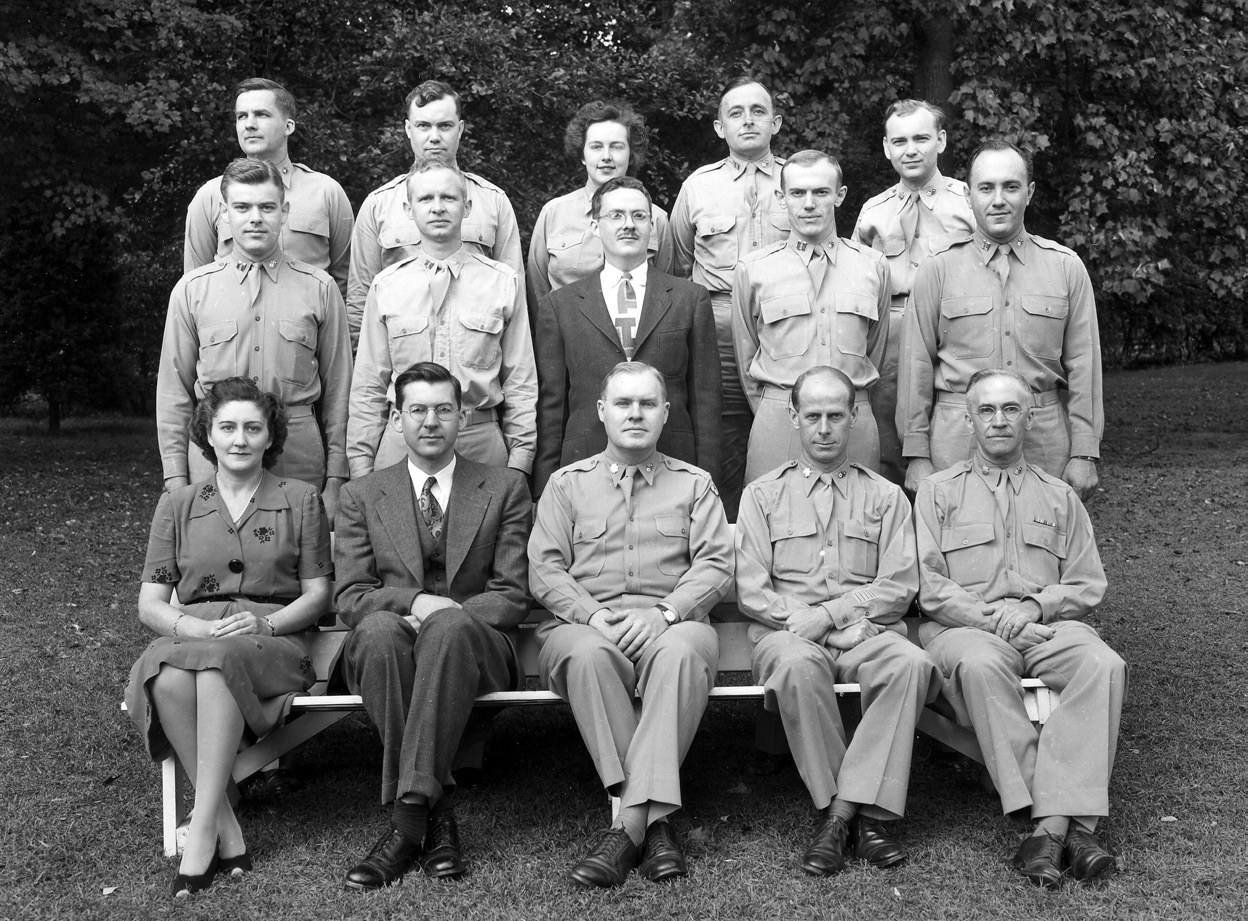 Vol 5 The Codebreakers — Volume 5 — The Purple Team — Grotjan, Rosen, Ferner, Rowlett and the Women of the SIS The second generation of the Signal Intelligence Service, hired between 1936 and 1939 and trained by the first; who each of them was, what each contributed to PURPLE and to the problems that followed, how women moved from the typing pool to the worksheets, and how the credit for the most famous American break of the war was recorded, divided and lost
-
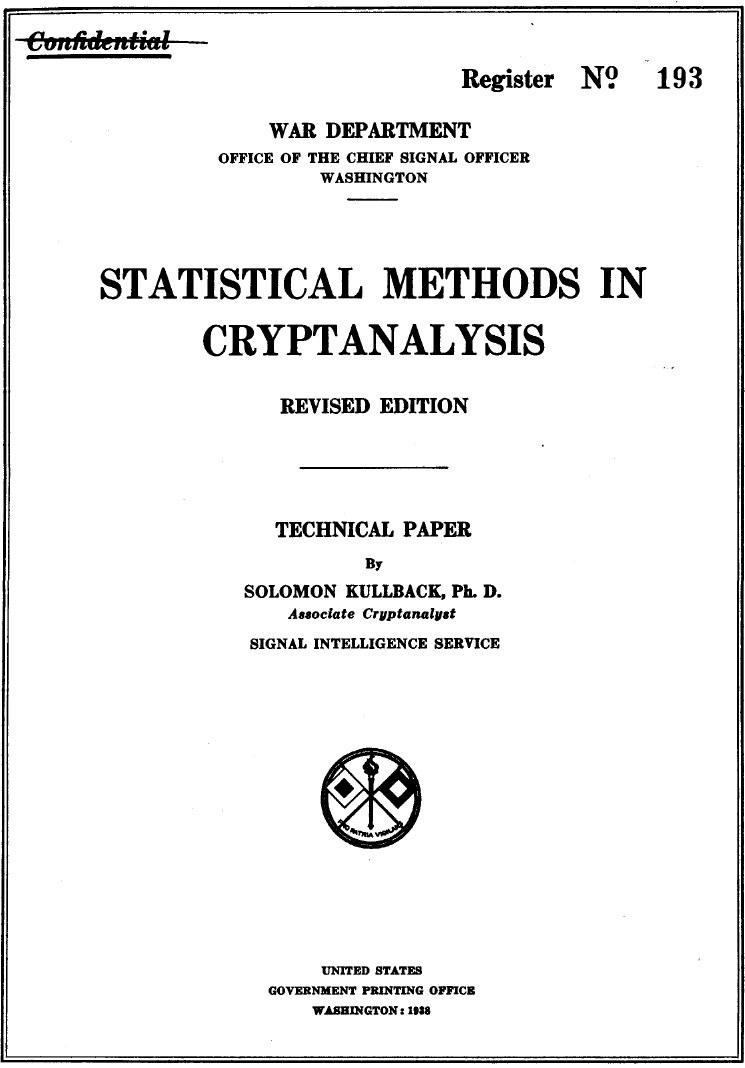 Vol 6 The Codebreakers — Volume 6 — Statistics as a Weapon Coincidence, kappa, chi and phi, worked on real traffic: how Friedman's counting and Kullback's tests turned the flat frequencies of a machine cipher into evidence — and how the six letters of PURPLE gave themselves away
-
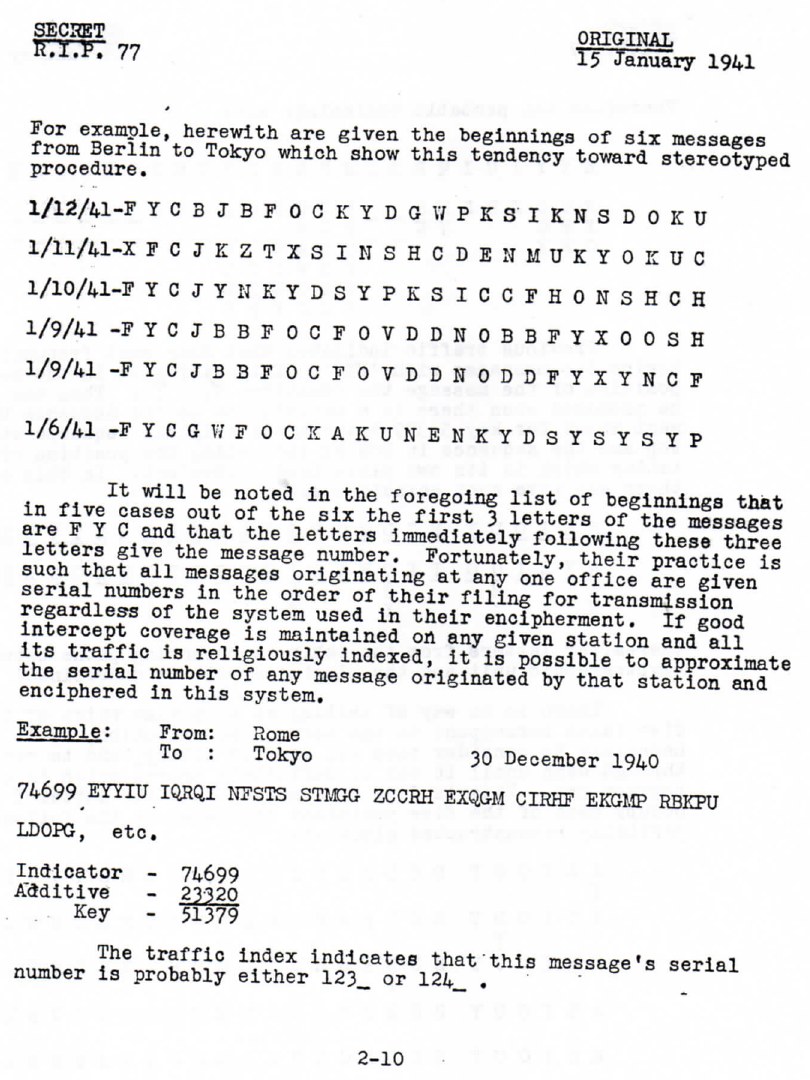 Vol 7 The Codebreakers — Volume 7 — Cribs, Stereotypes, Isomorphs and Homologs Reading a machine through its traffic: the formulae of Japanese diplomatic telegrams as probable words, a crib placed in the real Part 1 intercept, the repetitions PURPLE refused to make, and the pattern 26 letters long that Genevieve Grotjan found on 20 September 1940
-
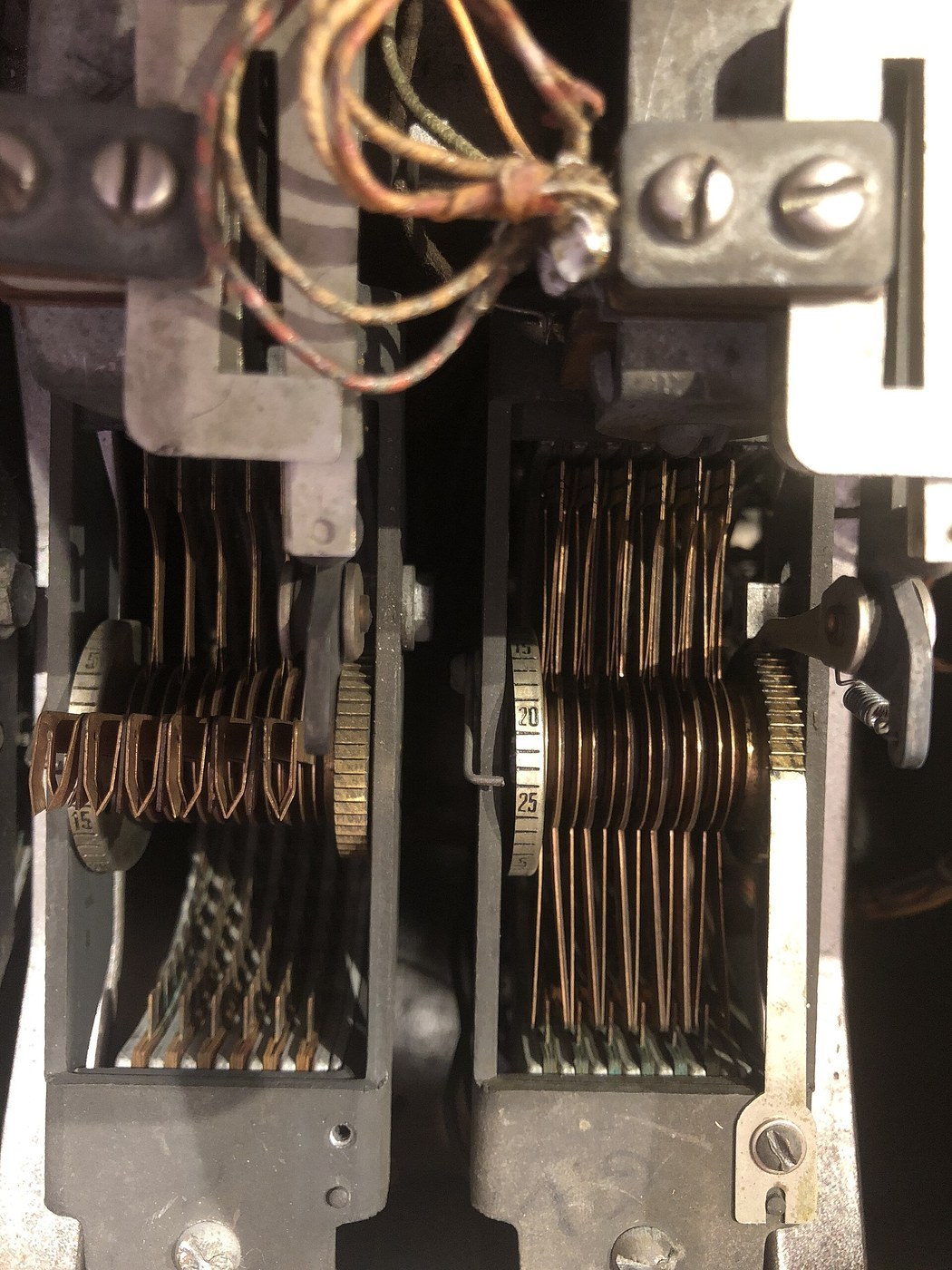 Vol 8 The Codebreakers — Volume 8 — Reconstructing a Machine Never Seen From patterns to wiring to the analog: the 25 sixes alphabets recovered cell by cell from the real Part 1 intercept, the stepping law read from the roll-over of the sixes, the fast switch's wires sorted out of messages in depth, and why a copy that was wired differently from the Japanese machine could still read its traffic
-
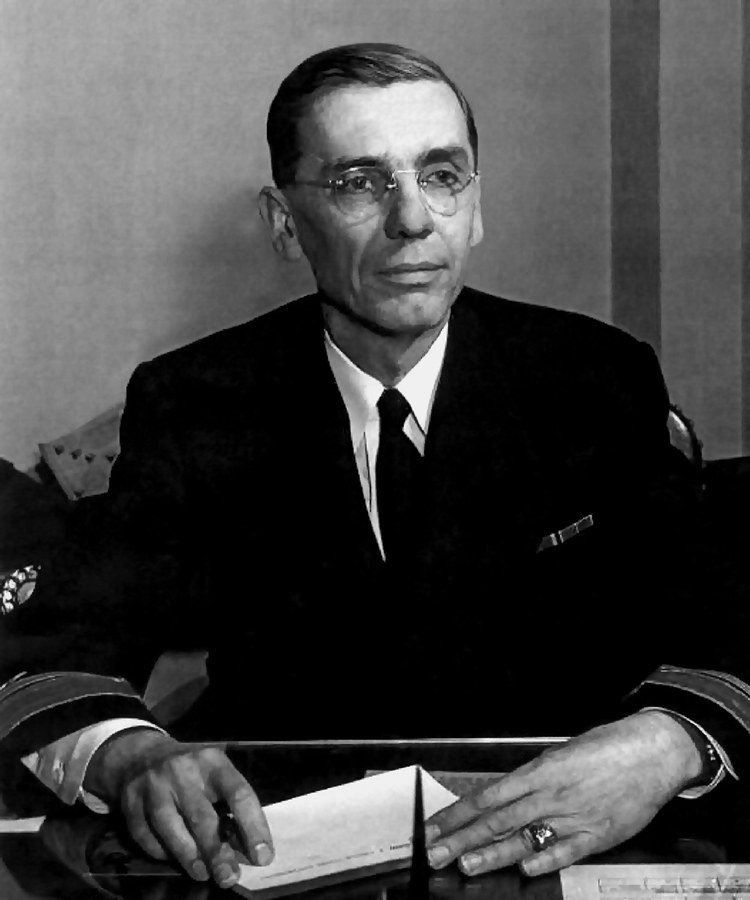 Vol 9 The Codebreakers — Volume 9 — Inventing SIGABA — The Lessons Turned Inward How the people who learned to break rotor machines designed one that could not be broken: the lesson of the Hebern solution, Friedman's key tape, Rowlett's stepping maze, the Navy's index rotors, a decade of secrecy between two services that built the same machine, secret patents, and the long argument over who invented what
-
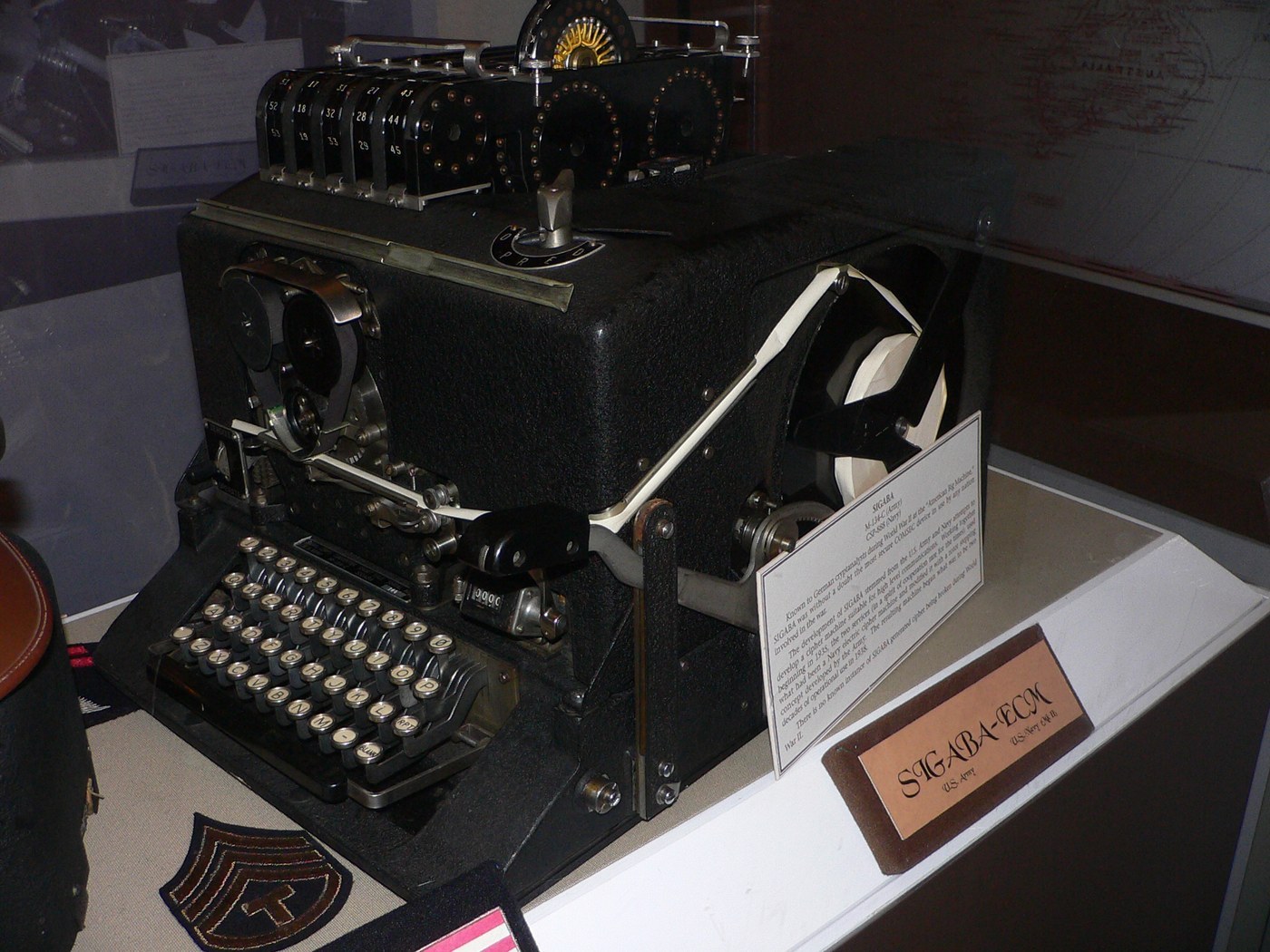 Vol 10 The Codebreakers — Volume 10 — The Mathematics of Irregular Stepping Why SIGABA held: what regular odometer stepping gives away in Enigma and PURPLE, what changes when the stepping is itself enciphered, the same isomorph test run on both kinds of machine, and what modern attacks with computers say about the key space
-
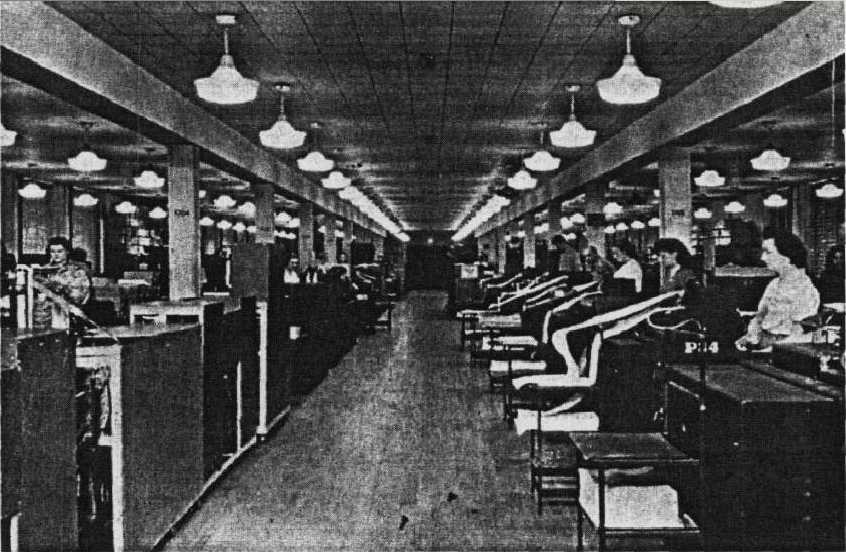 Vol 11 The Codebreakers — Volume 11 — Mechanising Cryptanalysis Sorters, tabulators and the road to computers: IBM machines in OP-20-G from 1932 and the SIS from 1934, what a punched-card run actually computed, Vannevar Bush's Comparator and why it failed, the relay and film machines of the war, and the line from them to ATLAS, ABNER and HARVEST
-
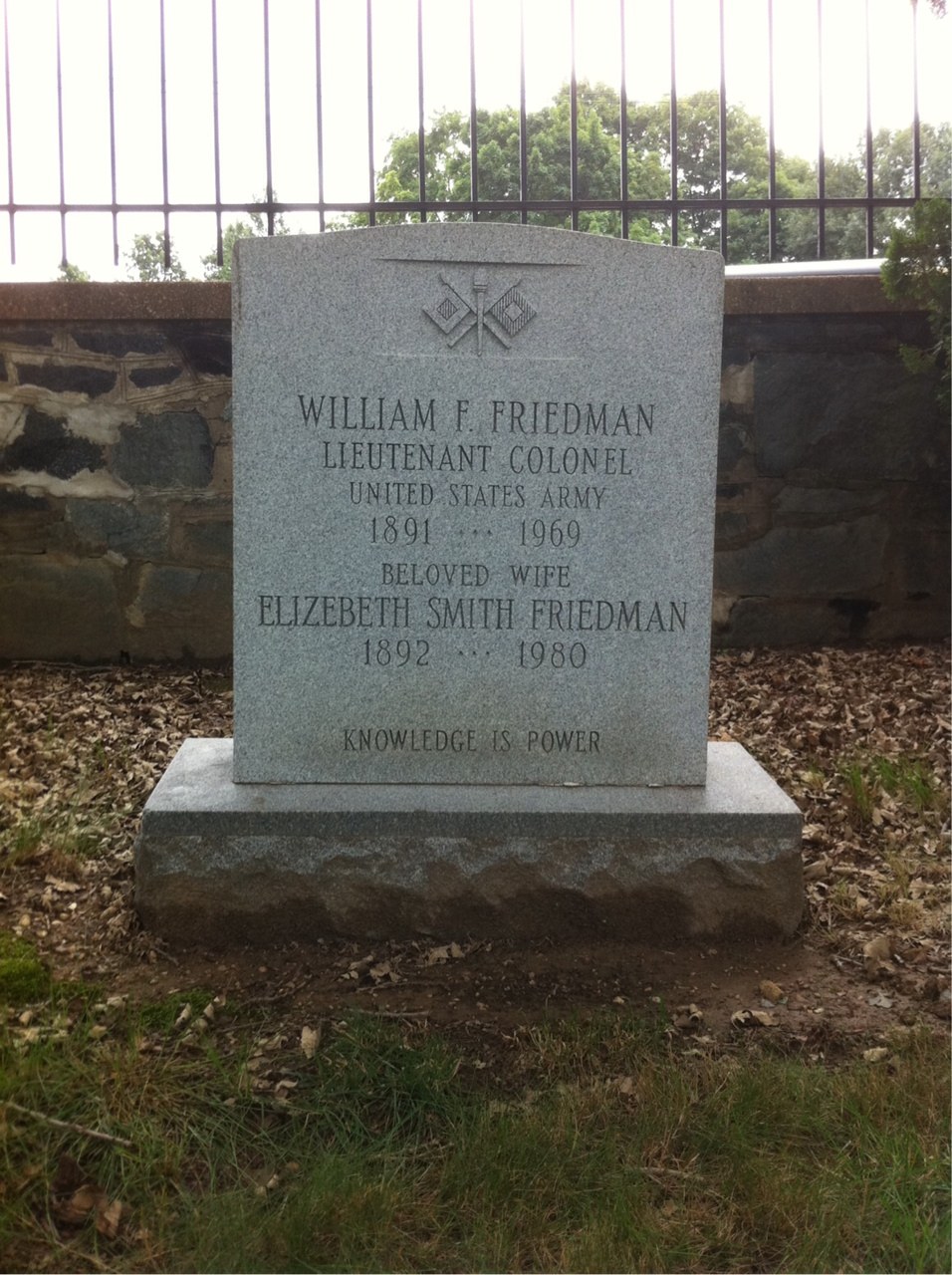 Vol 12 The Codebreakers — Volume 12 — Why We Still Study Them — From Military Cryptanalysis to Modern Ciphers and NSA What survives of the school a century after Riverbank: statistical methods that passed into mainstream statistics and information theory, design rules that are still the rules of cryptography, textbooks still in print, an archive opened only in 2015, a historiography that is still recovering the women and the forgotten men, and the lessons that Pearl Harbor taught about organising intelligence