Enigma · Volume 8
Enigma — Volume 8 — The Handover: Pyry Forest, 1939
A secret given away on the edge of catastrophe
8.1 About This Volume
This is the hinge of the whole story. For seven years a small Polish team had done what every other intelligence service in Europe had failed even to attempt: they had read the German army’s Enigma traffic, reconstructed the machine’s secret wiring from pure mathematics, and built working replicas in a back room outside Warsaw. Then, in the summer of 1939, with German divisions massing on their western and southern borders, the Poles made a decision of extraordinary generosity and cold strategic logic. Rather than guard their secret to the grave — or let it die with the country that was about to be overrun — they gave it away.
What follows is the account of that gift: the secret meeting in a forest south of Warsaw where Polish cryptologists stunned their British and French counterparts; the delivery of Polish-built Enigma doubles to Paris and London weeks before the war began; the destruction of the evidence and the flight of the codebreakers across a collapsing continent; the joint Franco-Polish centres at PC Bruno and Cadix; and the bitter human aftermath — one cryptologist drowned at sea, two more sidelined in Britain and left unacknowledged for decades. It is the most dramatic and the most human chapter in the Enigma saga, and it is the moment without which Bletchley Park, the subject of Volume 9, would have started from almost nothing.
8.2 The Decision to Share
By the spring of 1939 the Polish Cipher Bureau (Biuro Szyfrów) was in trouble. As Volume 7 described, the Germans had been steadily hardening Enigma. In December 1938 they added two new rotors, bringing the available wheels to five and multiplying the number of possible rotor orders by ten. In January 1939 they increased the number of plugboard cross-connections. The Poles’ brilliant electromechanical aids — the “bomba” machines and Henryk Zygalski’s perforated sheets — could in principle be scaled up to cope, but only by building ten times the equipment, and the Bureau simply did not have the money, the machine tools, or the time. Marian Rejewski later estimated that meeting the new German settings would have required sixty bomby and several thousand more Zygalski sheets. For a small bureau on a shoestring military budget, in a country bracing for invasion, that was out of reach.
There was also the larger reality. The German repudiation of the non-aggression pact in April 1939, the relentless propaganda over Danzig, the troop concentrations — all of it pointed one way. Poland’s senior intelligence officers understood that if war came, the Bureau’s accumulated knowledge might be lost in the chaos, or captured. The mathematics, the reconstructed wiring, the techniques — all of it would die with them and with the country.
So Major Gwido Langer, head of the Bureau, and his superiors made the call. Better to hand the secret to allies who had the industrial depth to exploit it at scale, and who would be fighting the same enemy. It was an act of trust toward Britain and France, and also a kind of insurance: if Poland fell, the knowledge would survive in London and Paris. The Poles would give away seven years of work — for nothing in return but the hope that it would be used.
8.3 Pyry: 25–26 July 1939
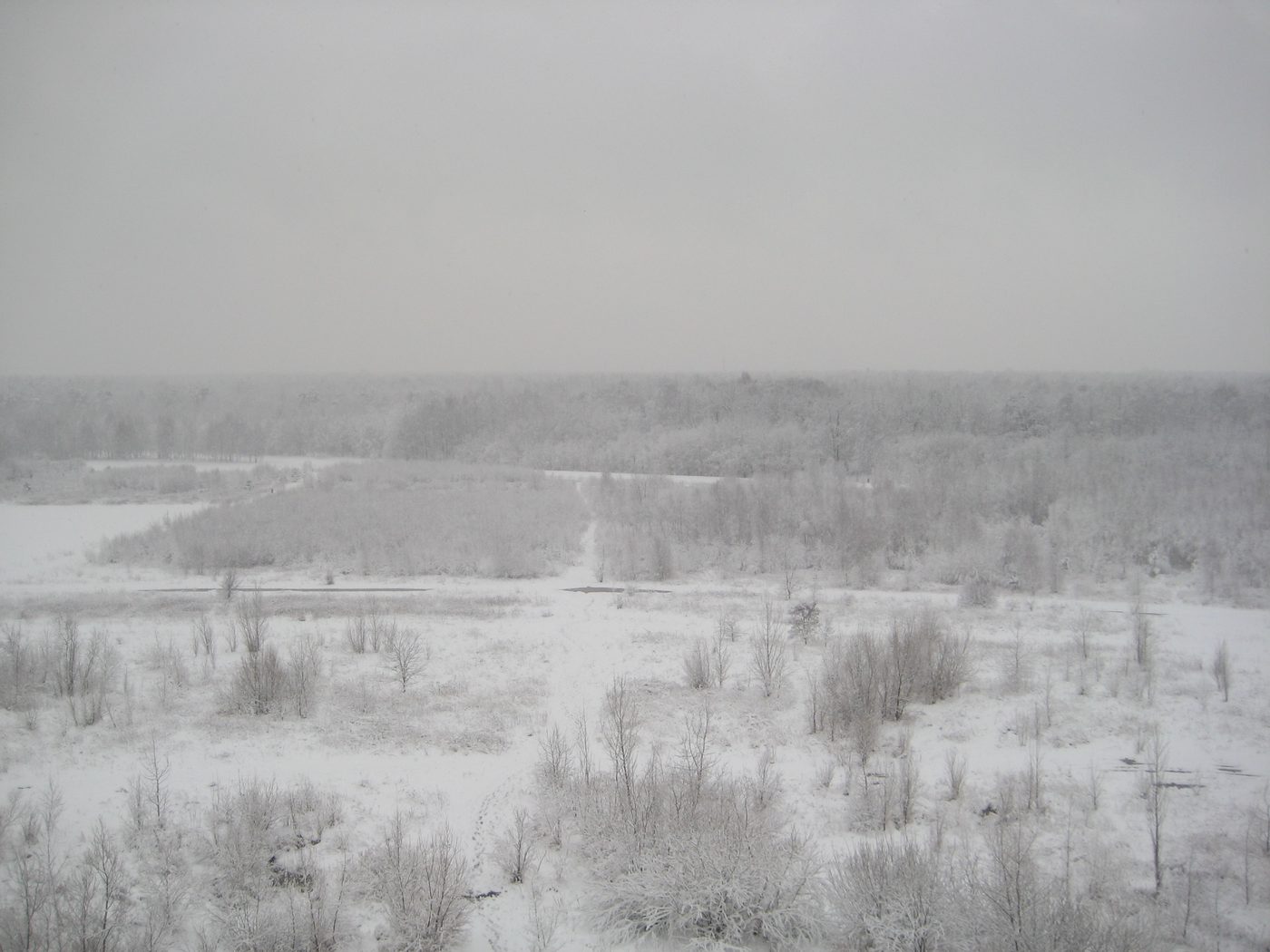
The meeting was arranged through Gustave Bertrand, the French radio-intelligence officer who had been the Bureau’s contact for years (it was Bertrand who, back in 1931, had passed the Poles the German Enigma documents bought from the spy Hans-Thilo Schmidt). On 25 July 1939, two delegations travelled in secret to Warsaw and out to the Bureau’s hidden installation in the Kabaty Woods near the village of Pyry, a few miles south of the capital.
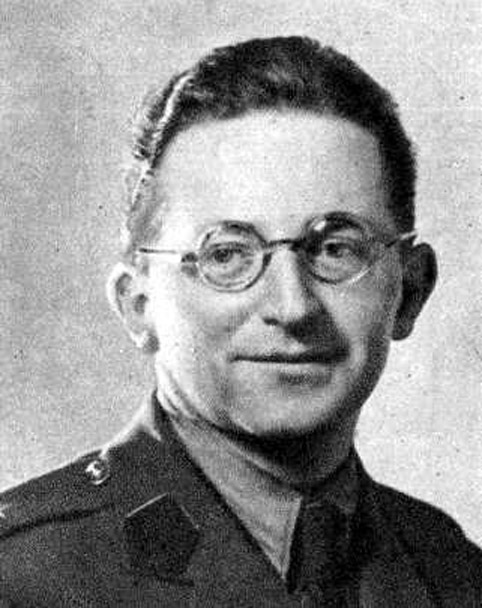
Britain sent Alastair Denniston, the head of the Government Code and Cypher School (GC&CS), and Dilly Knox, its most senior and most gifted Enigma cryptanalyst; the British party also included the SIS chief Stewart Menzies (the future “C”). France was represented by Gustave Bertrand and the liaison officer Captain Henri Braquenié. On the Polish side were Langer, Lieutenant Colonel Stefan Mayer of intelligence, Major Maksymilian Ciężki of the German section, and — most importantly — the three young mathematicians themselves: Marian Rejewski, Jerzy Różycki, and Henryk Zygalski.
The visitors did not, at first, know why they had been summoned. There had been earlier, frustrating meetings in Paris in January 1939 at which the Poles had said little, holding their cards close while they assessed whether their allies had anything to offer in return. Now, with war weeks away, the Poles dropped the reticence entirely. Langer opened by telling the astonished British and French that the Bureau had been reading Enigma for years — and then showed them how.
8.4 Knox and the Entry Wheel
The emotional centre of the meeting belonged to Dilly Knox. Knox was a classicist and veteran of the First World War’s Room 40, a formidable and famously prickly cryptanalyst who had been wrestling with the commercial and military Enigma for years. He had got a long way by hand — but he had been stopped cold by one question that he simply could not resolve: the wiring of the Eintrittswalze, the entry wheel that connected the keyboard to the first rotor.
On a commercial Enigma the keyboard wired into the entry drum in the scrambled QWERTZ order of a German typewriter. Knox had assumed, reasonably, that the military machine did something similarly devious. He had asked the Poles in coded correspondence what the connection was, and at Pyry he asked again, directly: what is the Eintrittswalze wiring? What is the QWERTZ?
The answer, delivered by Rejewski, was almost unbearable in its simplicity. The keys were wired to the entry wheel in plain alphabetical order: A to A, B to B, C to C. The Germans, having made the machine fiendishly complex everywhere else, had done the obvious, lazy thing at the one point where Knox had assumed cunning — and so it had never occurred to him, or to Tony Kendrick, or later to Alan Turing, to try it. Rejewski had not been told this. In 1932 he had simply guessed it — assumed the simplest hypothesis and found that the mathematics then fell into place.
Accounts of Knox’s reaction agree on the substance if not the exact words. He went quiet. He was, by his own later admission, chagrined to learn how simple the solution had been — and, beneath the chagrin, grateful and impressed. The common telling is that on the drive back into Warsaw he muttered the question over and over, half in disbelief, half in admiration: the thing he had hunted for years had been sitting in front of him the whole time, and three young Poles had walked straight past it by trusting that the enemy would be ordinary. Knox, whatever the initial sting, behaved generously afterward — he sent the Polish team a warm note of thanks and a gift, acknowledging what they had achieved.
8.5 The Gift
Then came the part that transformed the meeting from a revelation into a weapon. The Poles announced that they had built replica Enigmas — working “doubles” of the German military machine, manufactured by the AVA Radio Company in Warsaw from Rejewski’s reconstructed wiring — and that they would give one each to Britain and to France. Along with the machines went the full toolkit: the theory, the cyclometer, the bomba, the Zygalski sheets, and the methods.
For Denniston and Knox this was staggering. Britain had no working military Enigma and only a fragmentary understanding of it. Now they were being handed a functioning copy and the complete intellectual apparatus to use it, by an ally on the brink of being destroyed.
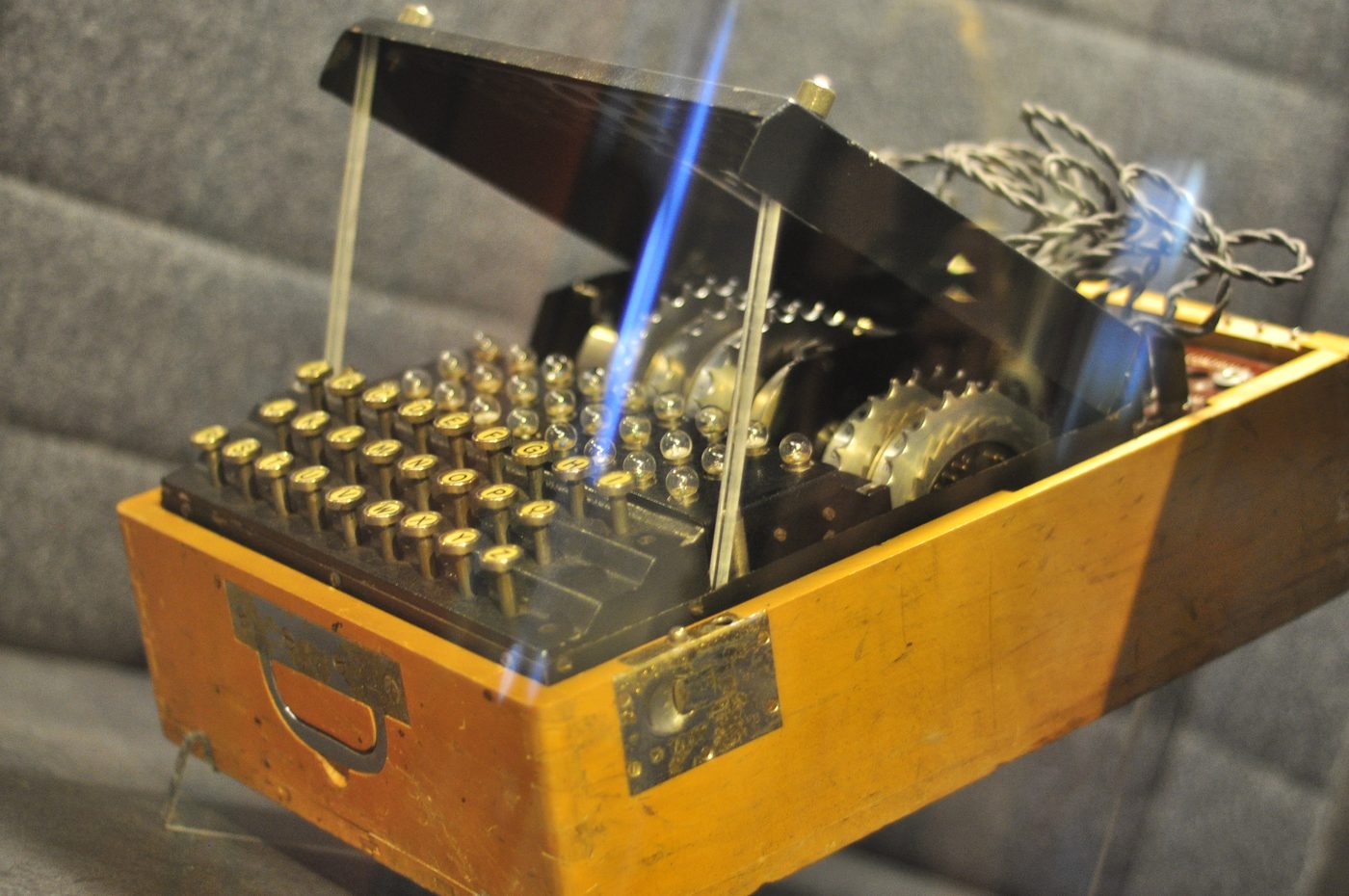
The delivery happened fast, and just in time. In August 1939 the two doubles were carried out of Poland by diplomatic bag to Paris. Bertrand then took one of them onward to London, where on 16 August he handed it to Stewart Menzies of the British Secret Intelligence Service — the meeting traditionally placed at Victoria Station, Bertrand allegedly wearing the rosette of the Légion d’honneur so Menzies would recognise him. Two weeks later, Germany invaded Poland. The single most valuable piece of intelligence kit Britain would receive in the entire war arrived with barely a fortnight to spare.
8.6 Invasion and Flight
On 1 September 1939 the Wehrmacht crossed the Polish frontier. On 17 September, under the secret protocol of the Nazi–Soviet pact, the Red Army invaded from the east. Between the two, Poland had no chance.
The Cipher Bureau evacuated almost immediately. The cryptologists and their officers fell back from Warsaw, burning and burying their equipment as they went — the bomby, the sheets, the documents, anything that might reveal to the Germans that Enigma had been broken. The secret had to be protected at all costs; if Berlin ever learned the machine was compromised, the Germans would change it and the whole edifice, now passed to the Allies, would collapse. The Poles destroyed the evidence so thoroughly that the Germans never suspected.
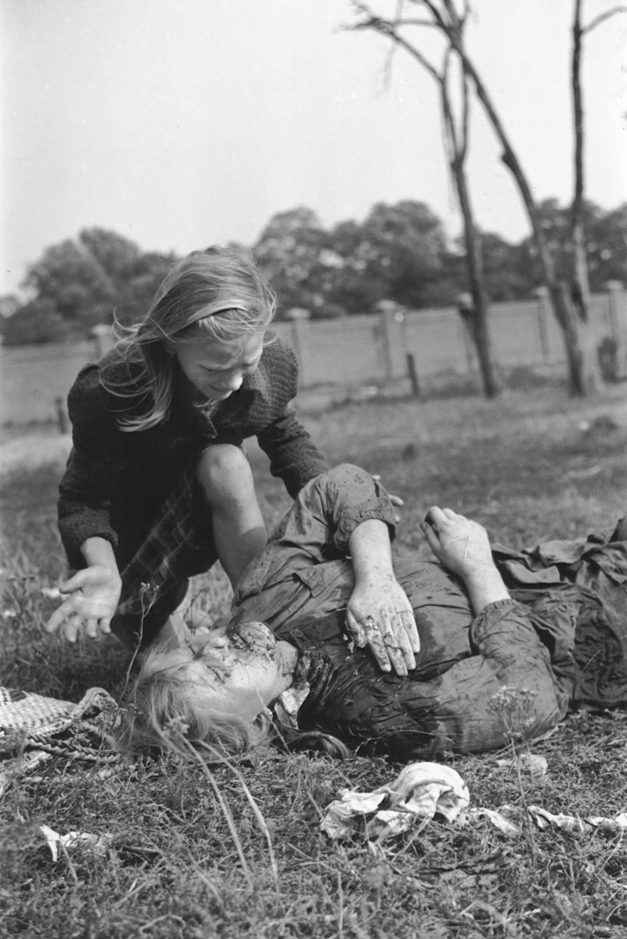
Caught between two invading armies, the codebreakers joined the exodus toward Romania. They crossed the southern frontier in mid-September, were briefly interned, and then — by various routes and false papers — made their way to France, the ally that had a place ready for them. Rejewski, Różycki, and Zygalski reached French soil in the autumn of 1939, their country gone but their knowledge intact.
8.7 PC Bruno and Cadix
In France, Bertrand gathered the Polish team into a joint Franco-Polish signals-intelligence centre code-named PC Bruno, established at the Château de Vignolles at Gretz-Armainvilliers, about forty kilometres northeast of Paris. There, from October 1939, the Poles resumed work on Enigma alongside French and Spanish-refugee cryptologists, now in clandestine collaboration with Bletchley Park. Through the “Phoney War” and into the spring of 1940 they read German traffic again, exchanging results with Britain over a secure link — sometimes signing off, with grim humour, in the language of the enemy.
Then France fell. In June 1940 the team destroyed PC Bruno’s installations and scattered ahead of the German advance. After the armistice, with northern France under direct occupation, Bertrand reconstituted the operation in the nominally unoccupied south, in Vichy territory. The new centre, Cadix, was set up at the Château des Fouzes near Uzès, in the Gard. From late 1940 the Poles worked there in deeper secrecy and greater danger, deciphering German and other traffic while technically operating on the soil of a collaborationist regime, with the constant risk of detection by Vichy police or German signals-direction-finding.
8.8 The Tragedies
The first blow came at sea. Cadix ran a branch outpost across the Mediterranean, at the Château Couba near Algiers, and personnel rotated between France and North Africa. In January 1942 Jerzy Różycki was returning from a stint in Algeria aboard the French passenger liner Lamoricière. On 9 January 1942, in a savage storm off the Balearic Islands — the ship low on poor-quality coal, its stokers reportedly burning furniture to keep steam up — the Lamoricière foundered and sank. Różycki drowned. He was thirty-two. His body was never recovered. Lost with him were two other members of the prewar Bureau, Jan Graliński and Piotr Smoleński, and a French officer escorting them, Captain François Lane. One of the three men who had broken Enigma was simply gone, swallowed by the Mediterranean, his role still a state secret.
The second blow came with the Germans. In November 1942, after the Allied landings in North Africa, Germany occupied the whole of Vichy France. Cadix was no longer safe; it was hurriedly evacuated and the surviving cryptologists went underground. Rejewski and Zygalski now had to escape occupied France entirely. After months on the run and a betrayal by people-smugglers, on the night of 29–30 January 1943 the two men climbed over the Pyrenees on foot, dodging German and Vichy patrols. Their guide robbed them at gunpoint near the crest. On the far side, Spain — neutral but hostile — imprisoned them: first at Seo de Urgel, then in a jail at Lérida. They were not released until May 1943, then routed through Madrid to Portugal, and finally carried by a Royal Navy ship to Gibraltar and flown to Britain, arriving in August 1943.
8.9 The Injustice in Britain
Here the story curdles. Rejewski and Zygalski — two of the three men who had cracked Enigma in the first place, whose gift at Pyry had handed Britain its decisive advantage — reached the country that, at Bletchley Park, was now reading Enigma at industrial scale. And they were kept away from it.
Instead of being brought to Bletchley to work on the very machine they had conquered, they were enlisted as privates in the reconstituted Polish Armed Forces and posted to a Polish signals unit at Boxmoor, near Stanmore, north of London. There they were set to breaking lower-grade German hand ciphers — SS and SD systems based on a “double Playfair” (Doppelkasten) method. They did this work well, but it was a world away from the Enigma effort, and it kept them outside the inner secret.
The reasons were a mix of wartime security compartmentalisation, mistrust of foreign nationals, and institutional indifference. Bletchley had moved far beyond the Polish methods of 1939 — Turing’s bombe and the British operation had industrialised the attack — and the men who had started it all were treated as outsiders who did not “need to know.” For the two surviving founders of Enigma cryptanalysis, it was a quiet, lasting injustice: present in Britain, in uniform, fighting the same war, and deliberately walled off from the work that was their own creation. Their foundational role went unacknowledged by official British accounts for decades.
8.10 The Reckoning
After the war the silence continued. The Ultra secret was kept until the 1970s, and early British accounts of Enigma either omitted the Poles or reduced them to a footnote — a useful early contribution, soon superseded. Rejewski returned to Poland in 1946, lived obscurely under the communist regime as an ordinary clerk, and said nothing publicly for years. Zygalski stayed in Britain and taught mathematics, dying in 1978. Różycki had been dead since 1942.
The correction came slowly, then decisively. Gustave Bertrand’s 1973 memoir Enigma and the lifting of the Ultra secret reopened the question; the publication of Rejewski’s own technical writings, and the careful work of historians, made the truth unmistakable. The break had not been a British achievement merely assisted by Poles. The original reconstruction of the machine, the mathematics, the first working method, the replicas, the bomba and the perforated sheets — all of it was Polish, and the gift at Pyry was the indispensable head start without which Bletchley would have begun in 1939 from almost nothing.
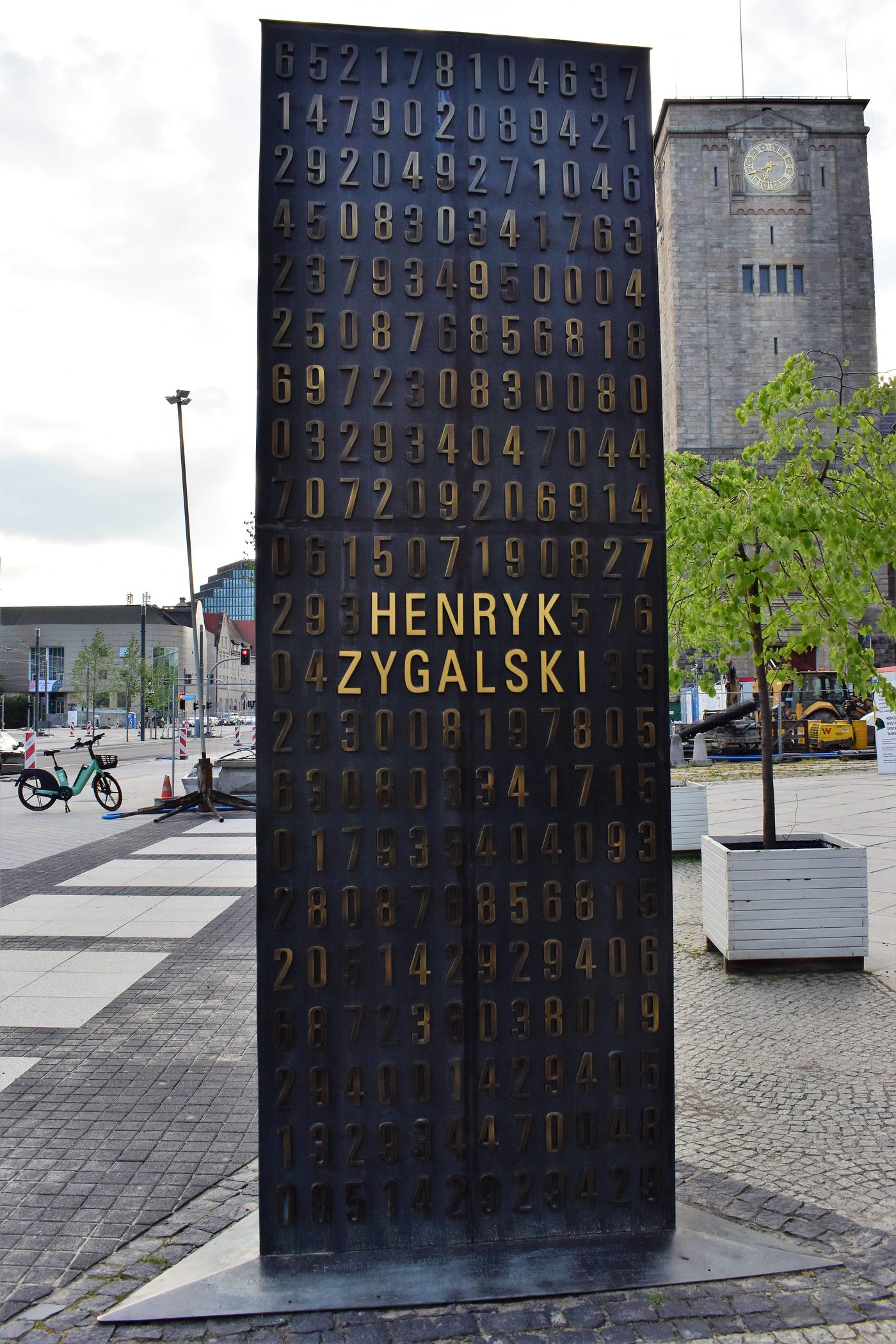
Recognition followed, much of it posthumous. The three mathematicians received Poland’s high honours; Rejewski’s contribution is now taught as foundational. Memorials stand at Bletchley Park and in Poland — including a monument in Poznań, the city whose university produced all three men. In 2014 the IEEE placed a Milestone plaque at the spot; in 2021 a dedicated Enigma Cipher Centre opened in Poznań. The men who gave away their greatest secret on the eve of their country’s destruction are, at last, named where they belong.
The Enigma double that Bertrand carried to Victoria Station, and the methods that came with it, did not sit idle. They travelled fifty miles north of London to a Victorian mansion in Buckinghamshire, where a very different and far larger machine was about to be built around the Polish foundation — the British codebreaking enterprise that would turn a Polish mathematical insight into a war-winning industry.
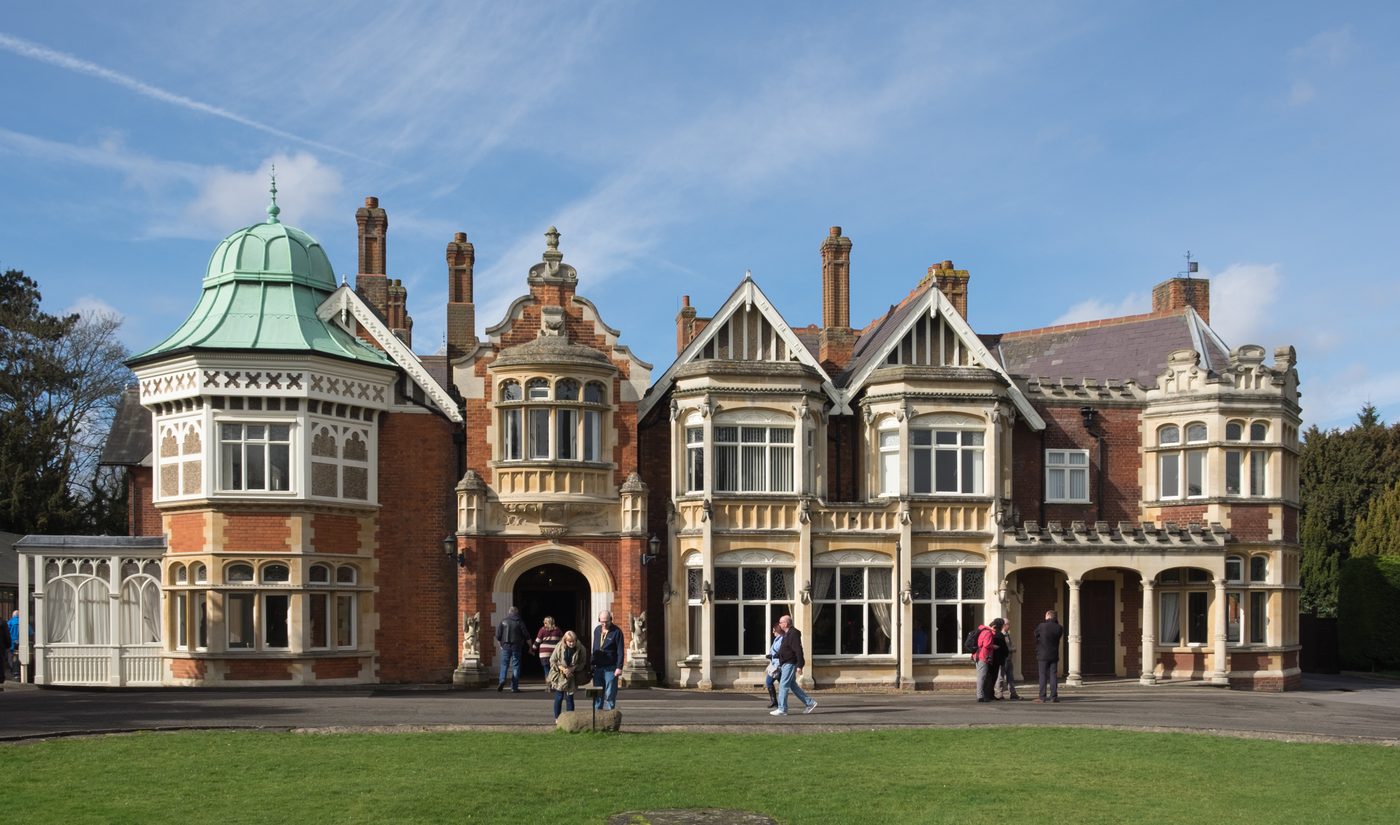
Next — Volume 9: Bletchley Park.
Comments (0)